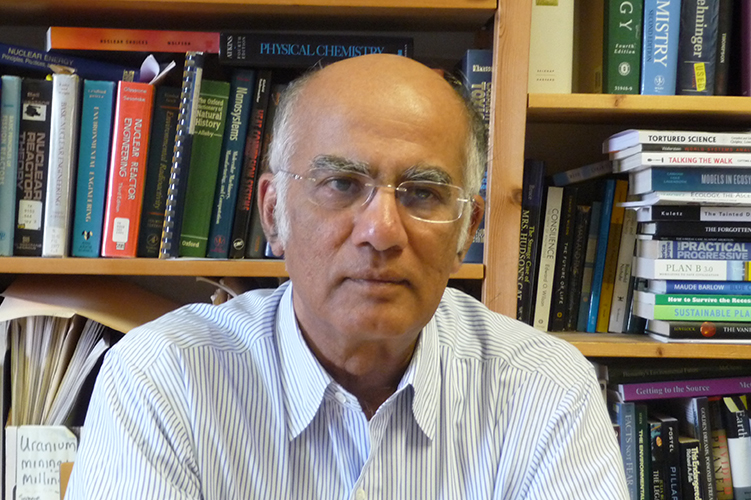

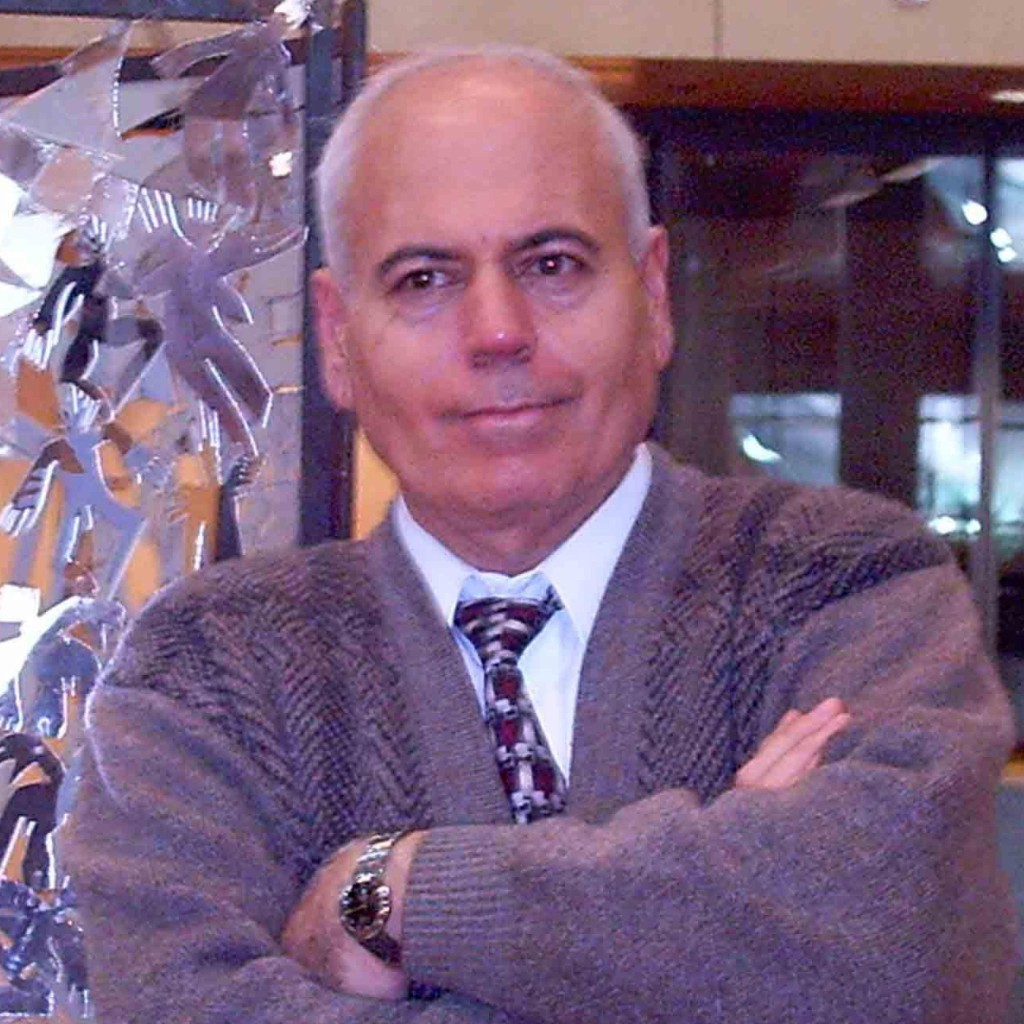
 Dr. Ghassan Shahrour, a medical doctor and human rights advocate, considers the need to choose limits over expansion of new weapons systems and provides historical examples. He writes:
“In 1868, long before satellites or nuclear weapons, the world confronted a deceptively simple question: Should every weapon that can be built also be used?
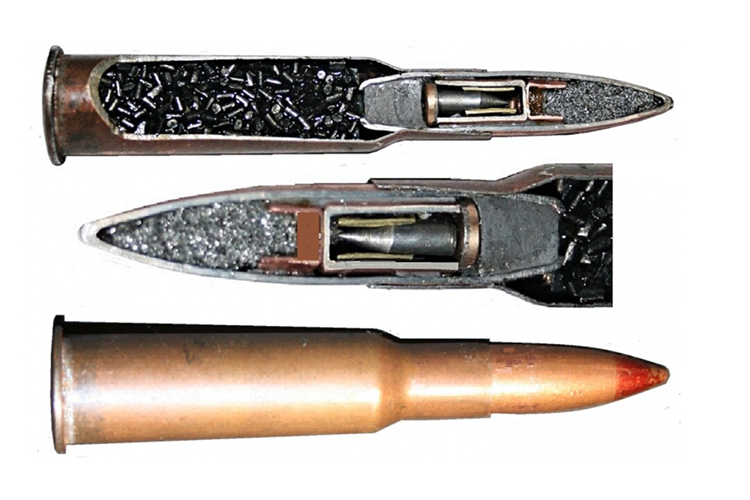 “The question arose after the Russian Empire developed an exploding rifle bullet that inflicted devastating injuries far beyond any military necessity. Russian military physicians warned that the wounds were so catastrophic that they served no legitimate strategic purpose. In a rare moment of moral clarity, Russia renounced the weapon it had invented and invited other powers to negotiate what became the St. Petersburg Declaration — the first international agreement to prohibit a weapon because of its inhumane effects.
“The declaration established principles that still shape international humanitarian law:
- “Humanity
- “The prohibition of unnecessary suffering
- “Distinction between combatants and civilians
“More importantly, it affirmed a truth the modern world risks forgetting: human dignity, not technological capability, must define the limits of war.
“As someone who has spent decades advocating for humanitarian disarmament — from landmines to cluster munitions to nuclear risk reduction — I see in St. Petersburg not a historical footnote, but a living compass.
“The Golden Dome: A Shield That Creates More Swords
“More than 150 years later, humanity faces a similar test — only now the technologies are vastly more destructive.
“The proposed U.S. ‘Golden Dome’ missile‑defense system is presented as a shield against nuclear attack. Yet decades of scientific and strategic analysis show that no existing missile‑defense architecture can reliably stop a large‑scale, sophisticated nuclear strike involving multiple warheads, decoys, or advanced delivery systems.
“But the deeper danger is political and strategic.
“Missile‑defense systems reshape the calculations of rival powers. When one state seeks invulnerability, others respond by expanding their arsenals, improving penetration technologies, and accelerating weapons development. What begins as a defensive project becomes a catalyst for a new cycle of escalation driven by fear and mistrust.
“Systems designed as defensive are often perceived by adversaries as enabling future offensive advantage. This increases instability during crises and weakens already fragile deterrence mechanisms.
“And because technological systems are never infallible, a false alarm or malfunction could trigger decisions made under extreme pressure — decisions that would not remain confined to military command centers….
“The illusion that technology can eliminate vulnerability is not security. It is strategic overconfidence with human lives at stake.”
“From Earth to Orbit: The Rise of Space Supremacy
“This same illusion is now extending beyond Earth.
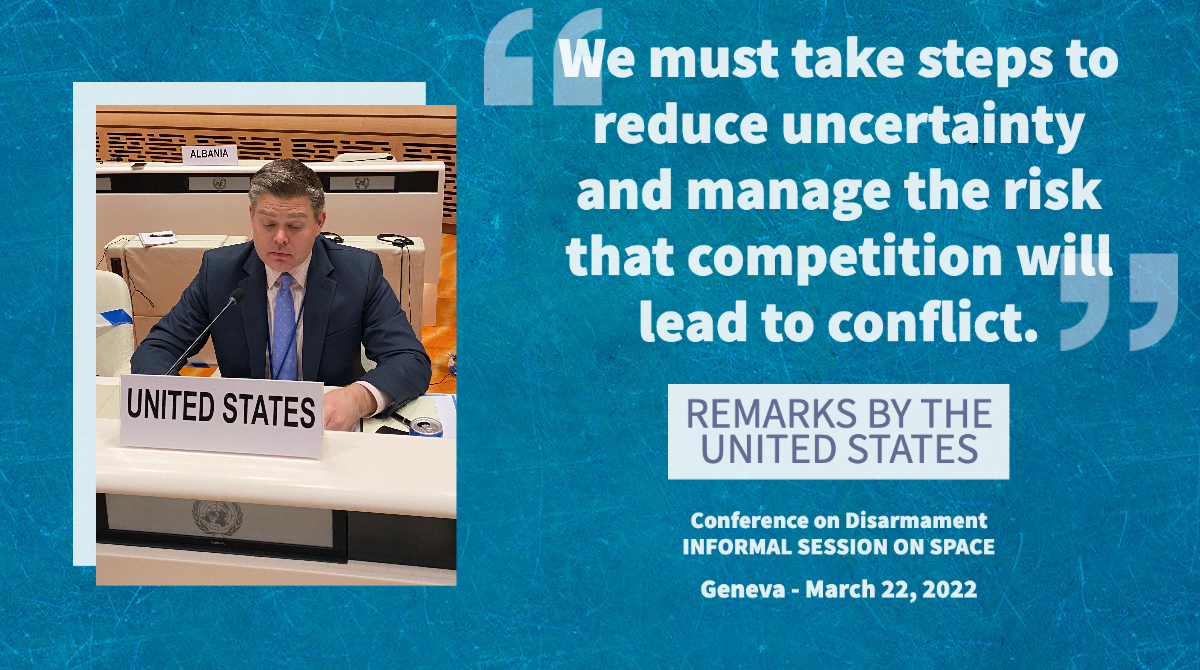 “The emerging doctrine of space supremacy seeks dominance in orbit through advanced surveillance systems, anti‑satellite weapons, and integrated missile‑defense architectures. Space — once viewed as a shared domain of human activity — is becoming another arena of military competition.
“Efforts at the United Nations to prevent this shift, particularly through proposals related to the Treaty on the Prevention of an Arms Race in Outer Space (PAROS), have stalled amid geopolitical rivalry.
“Meanwhile, anti‑satellite weapon tests have already created dangerous fields of orbital debris that threaten civilian and scientific satellites alike. A conflict in space would not remain in space. Damage to satellite networks could disrupt communication systems, emergency response, civilian aviation, financial infrastructure, and nuclear early‑warning systems on Earth.
“In an age of automation and nuclear weapons, confusion itself becomes a security threat.
“One Illusion, Two Frontiers
“To make the connection unmistakable:
“From missile‑defense fantasies on Earth to supremacy doctrines in orbit, the same illusion persists: that technology can replace diplomacy, restraint, and human security.
“Golden Dome and Space Supremacy are not separate debates. They are two faces of the same strategic error — the belief that dominance can substitute for stability.
“The Humanitarian Compass We Still Need
“The enduring lesson of St. Petersburg is not about one weapon or one treaty.
It is about restraint itself.
“In 1868, a state recognized that its own innovation had crossed a moral line and chose to step back. Today, the challenge is broader: the belief that technological superiority can permanently guarantee safety in a nuclear‑armed world.
“It cannot.
“Missile‑defense megaprojects and the militarization of space risk expanding the battlefield rather than limiting it. They encourage competition while weakening international efforts designed to reduce catastrophic risk.
“Humanitarian disarmament initiatives — from banning landmines and cluster munitions to the Treaty on the Prohibition of Nuclear Weapons — all reflect the same principle first articulated in St. Petersburg: some technologies create levels of suffering and danger no claim of military necessity can justify.
“A Call for Leadership Rooted in Humanity
“The world does not need new arenas for military rivalry.
It needs leadership grounded in restraint, diplomacy, and human security.
“That leadership should include:
- “Reassessing destabilizing missile‑defense programs
• “Rejecting doctrines of space supremacy
• “Advancing nuclear risk‑reduction measures
• “Reviving arms‑control negotiations
• “Recommitting to preventing the weaponization of outer space
“In 1868, leadership meant choosing limits over expansion.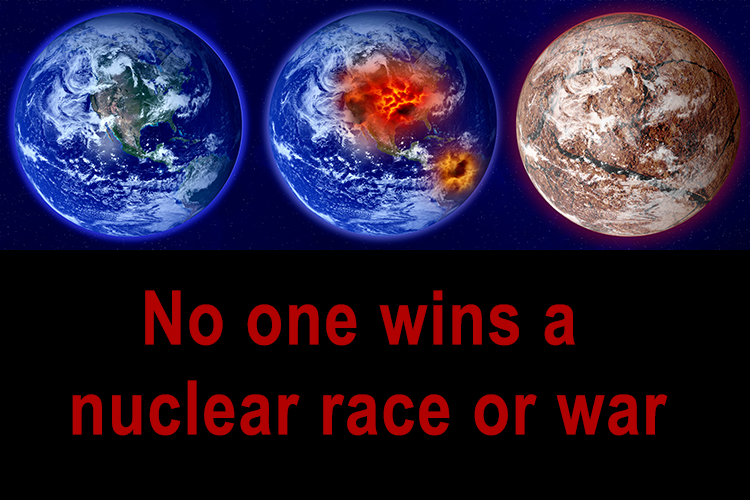
“In 2026, it may mean choosing whether humanity’s future is shaped by shared survival — or by an endless pursuit of technological supremacy in a world increasingly unable to survive its consequences.”
Dr. Ghassan Shahrour, coordinator of the Arab Human Security Network, is a medical doctor and human rights advocate specializing in health, disability, disarmament, and human security. He has contributed to global campaigns for peace, disarmament, and the rights of persons with disabilities. This article was originally published in CounterCurrents, and is republished with permission under their fair use policy.

- Thursday, June 4th at 6 pm MDT –
 FREE online showing of Daniel Ellsberg on the Nuclear Threat at the premiere of An Ordinary Insanity – a 28-minute film by Oscar-nominated director Judith Ehrlich, filmed one year before Ellsberg’s death at age 92. To register: https://www.anordinaryinsanity.com/ The free premiere will include a panel featuring director Judith Ehrlich, Ellsberg family members, and nuclear weapons experts and activists, followed by a Q&A. After the premiere, the film will be available to view FREE online and to use for screenings and events to help build greater awareness of the threat we face and to encourage action.

- Friday, June 5th from noon to 1 pm –
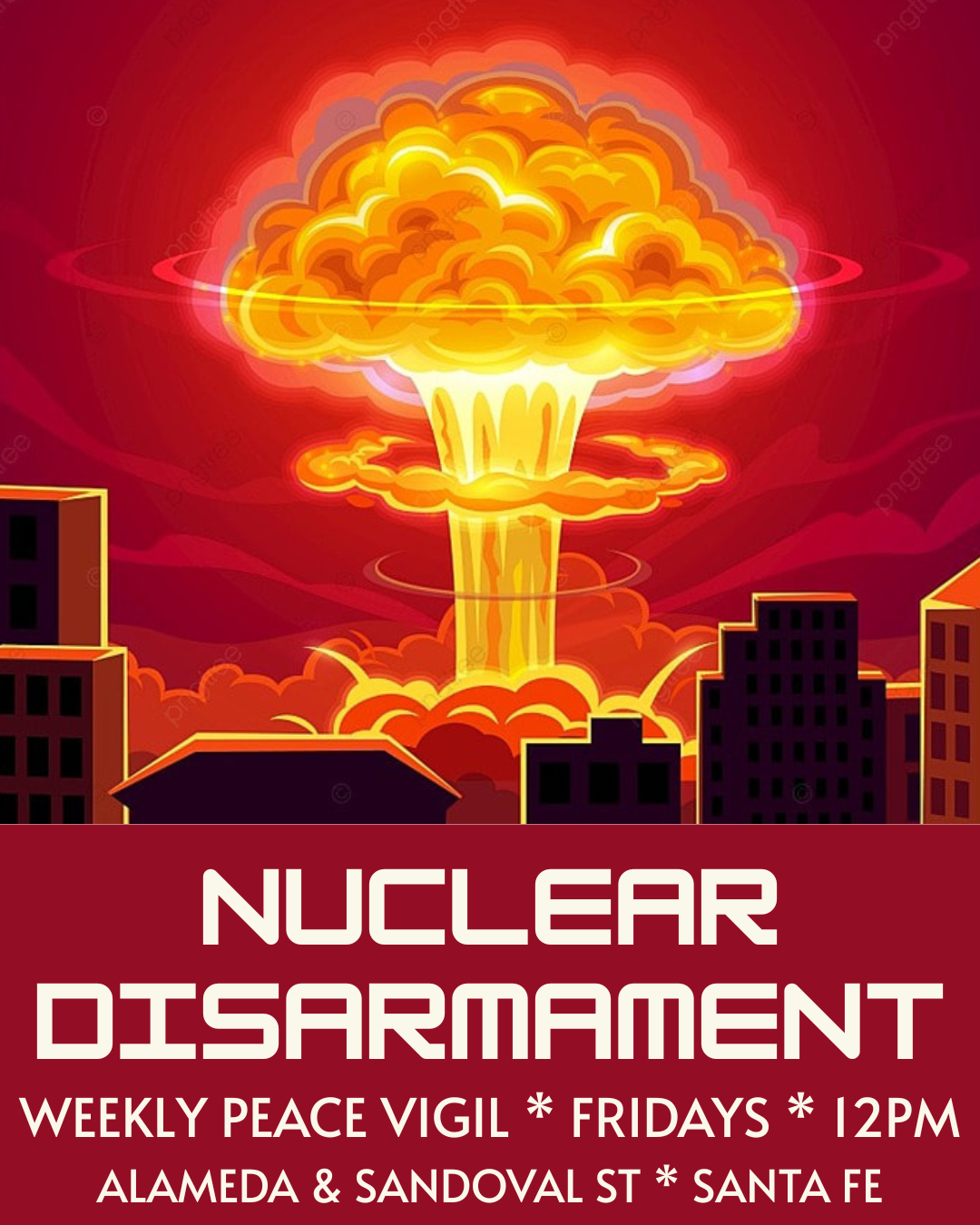
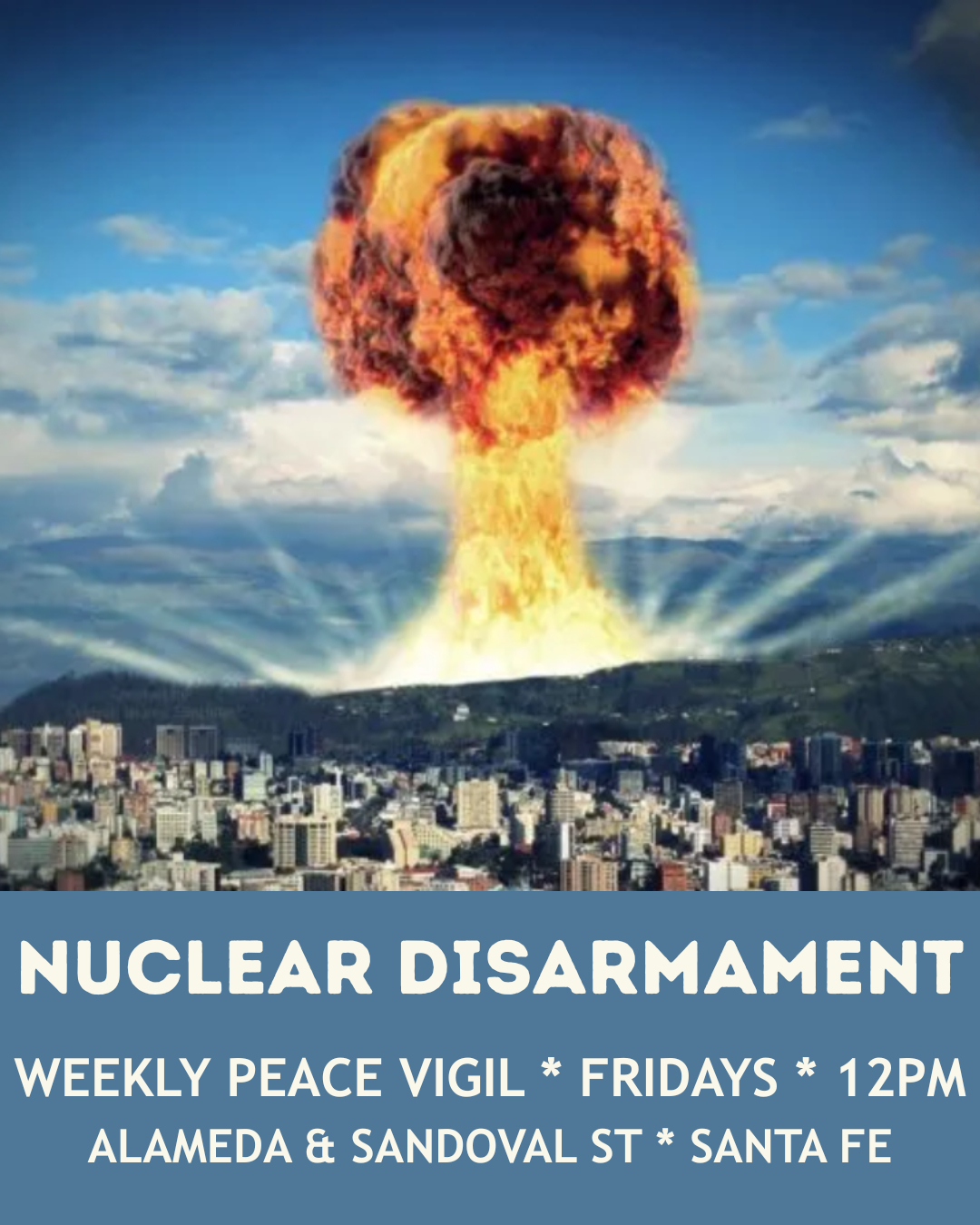
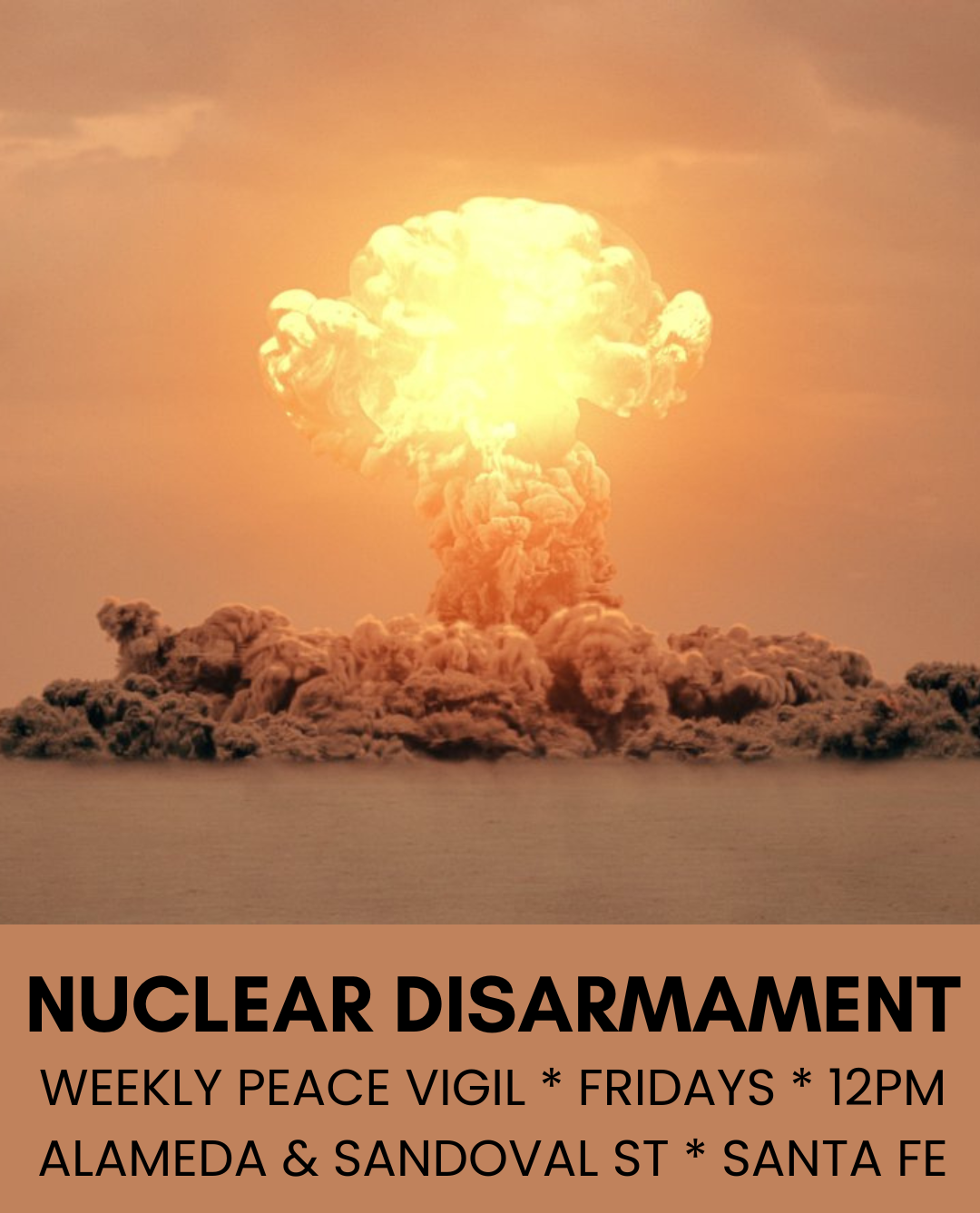
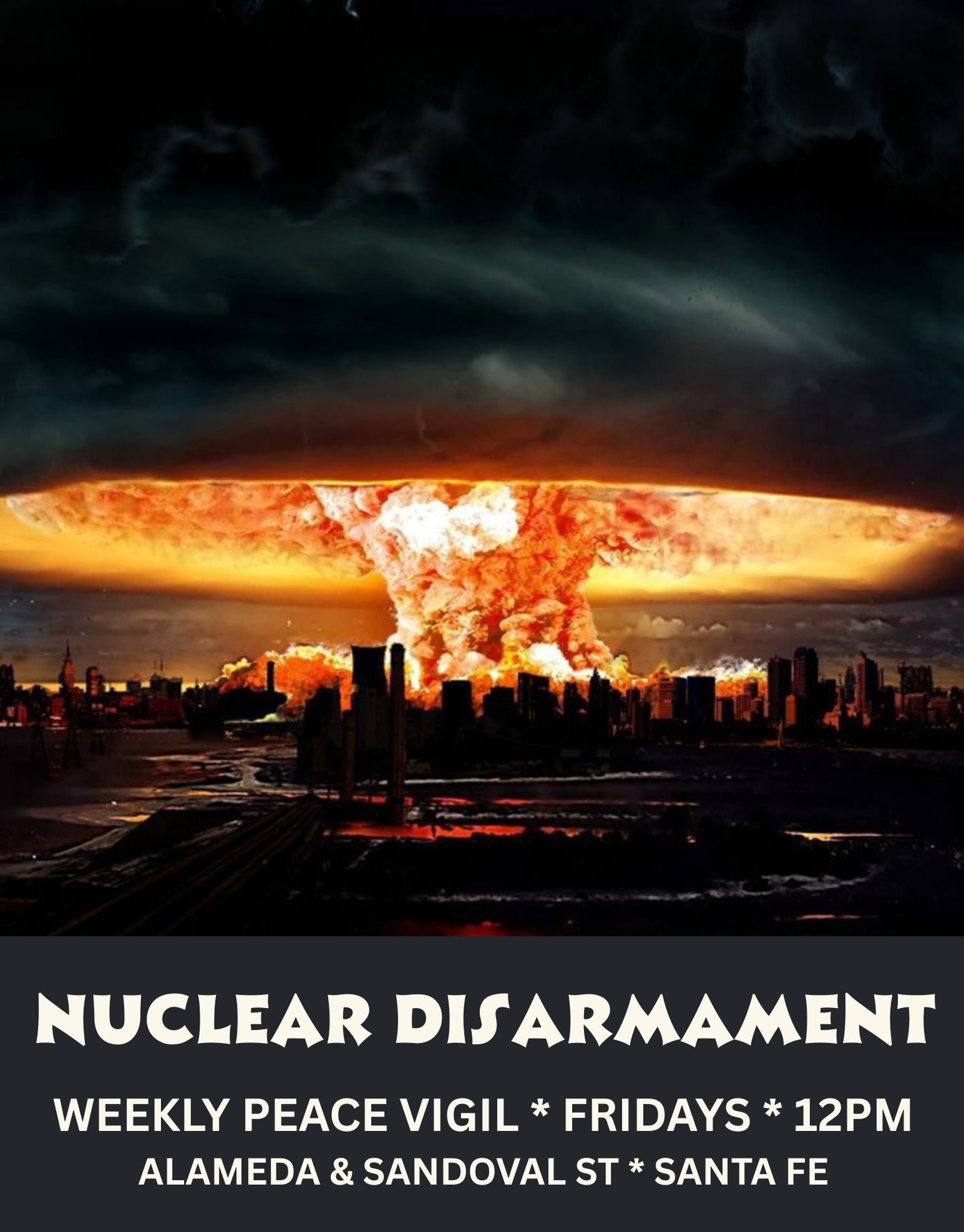
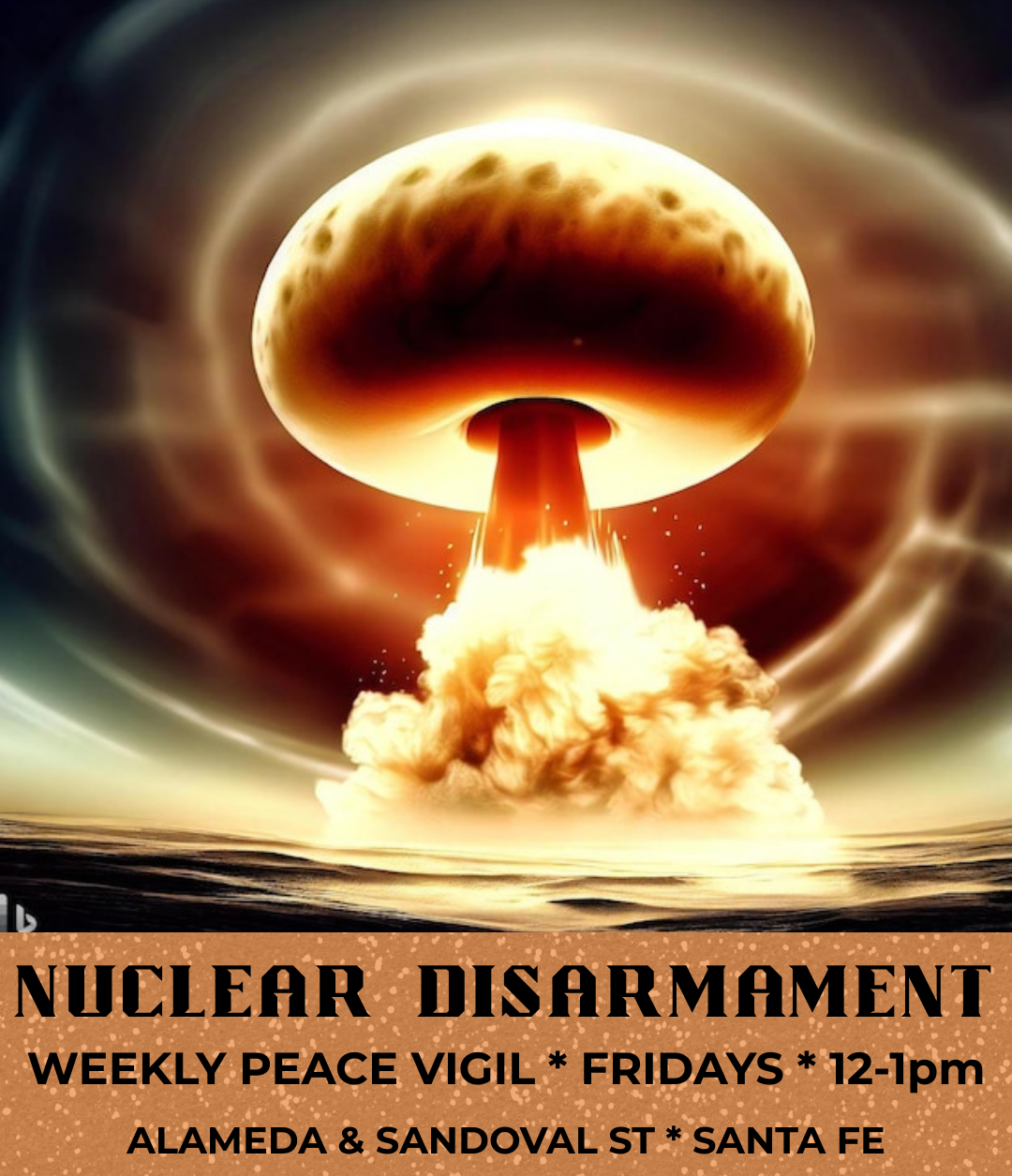
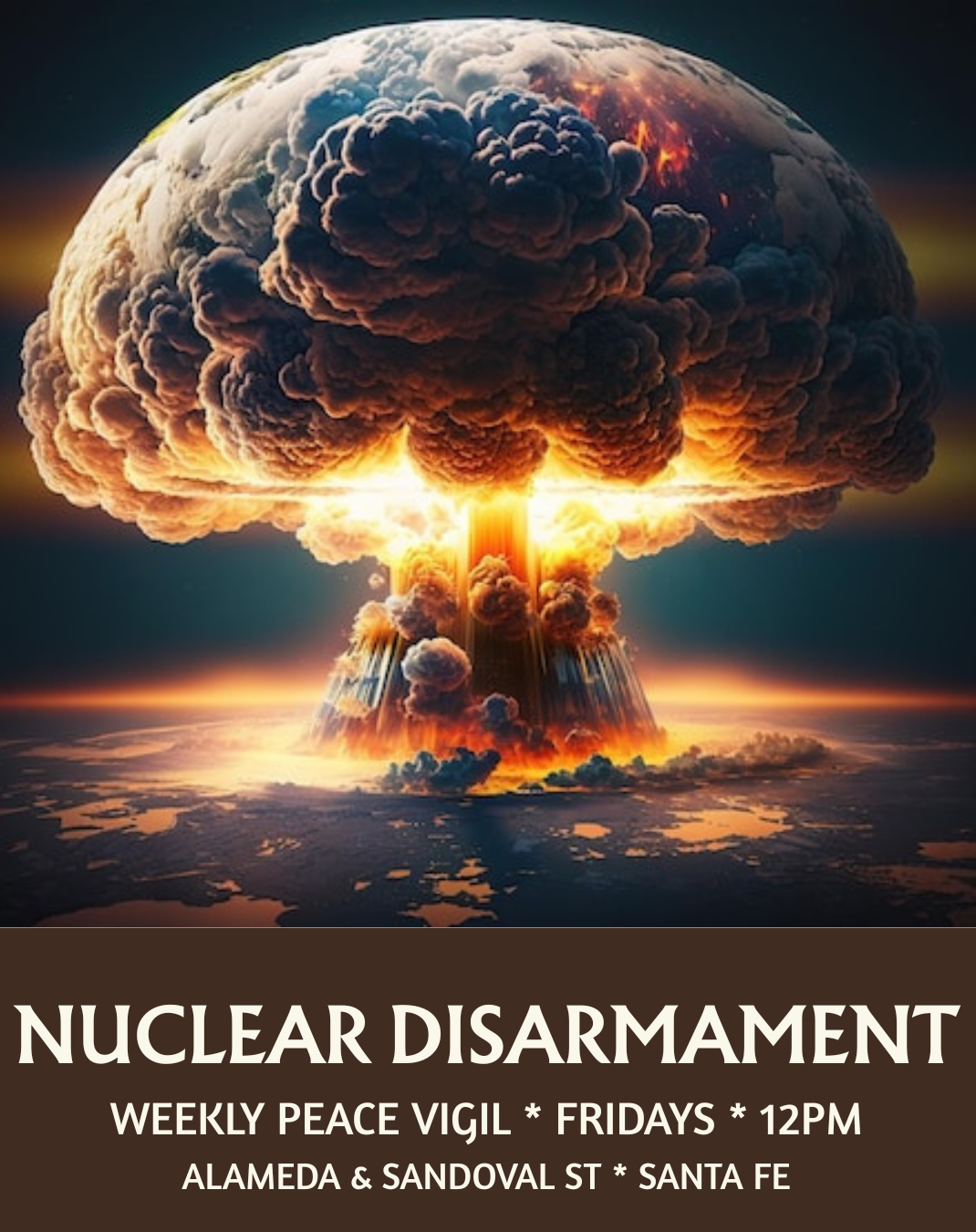
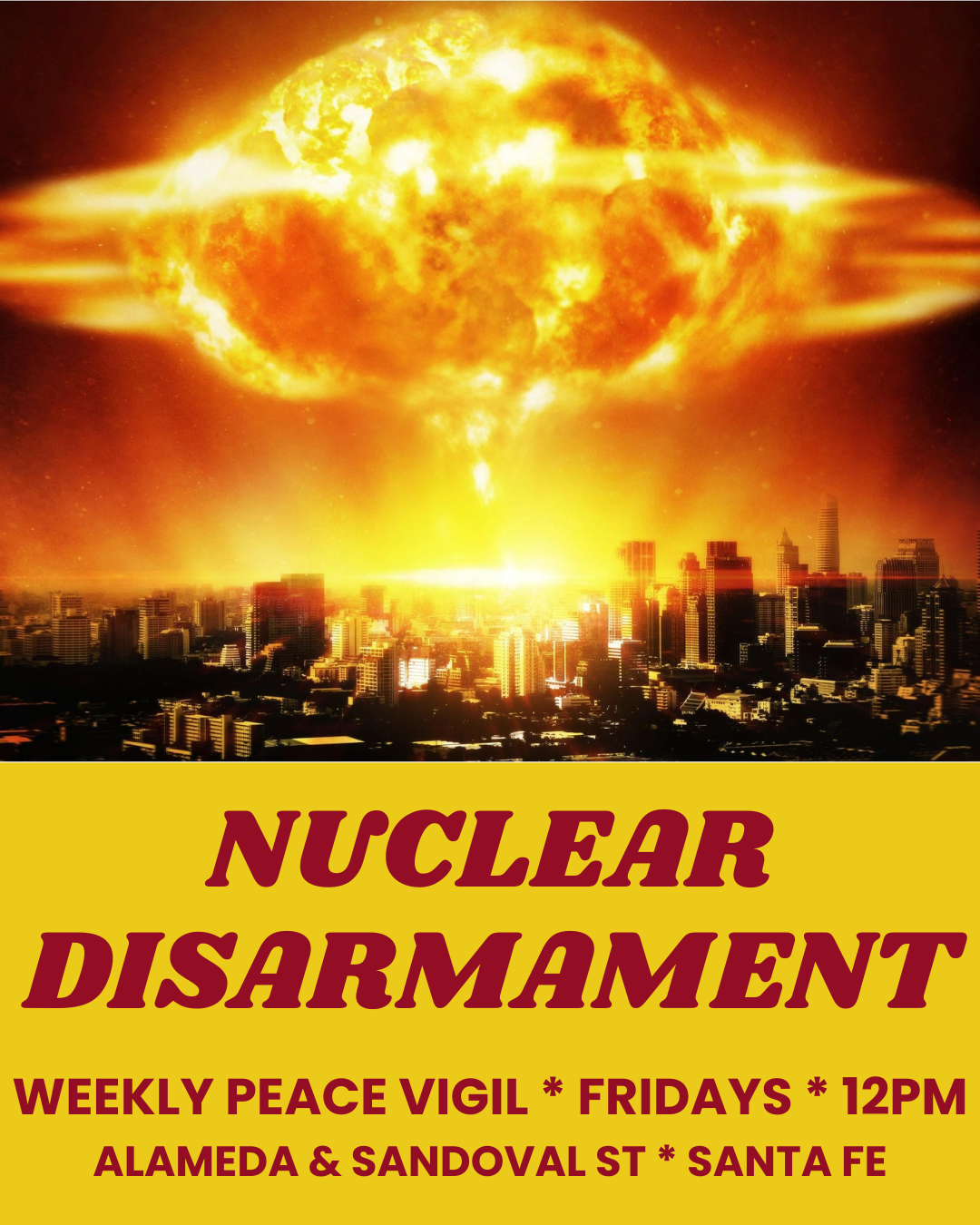
 Join the nuclear disarmament community at the intersection of East Alameda and Sandoval in Santa Fe for the weekly peaceful protest in support of the Treaty on the Prohibition of Nuclear Weapons. Join with Veterans for Peace, CCNS, Nuclear Watch NM, Loretto Community, New Mexico Peace Fest, Pax Christi and others. Bring your flags, signs and banners.
- Saturday, June 6th at 1:30 pm MDT –
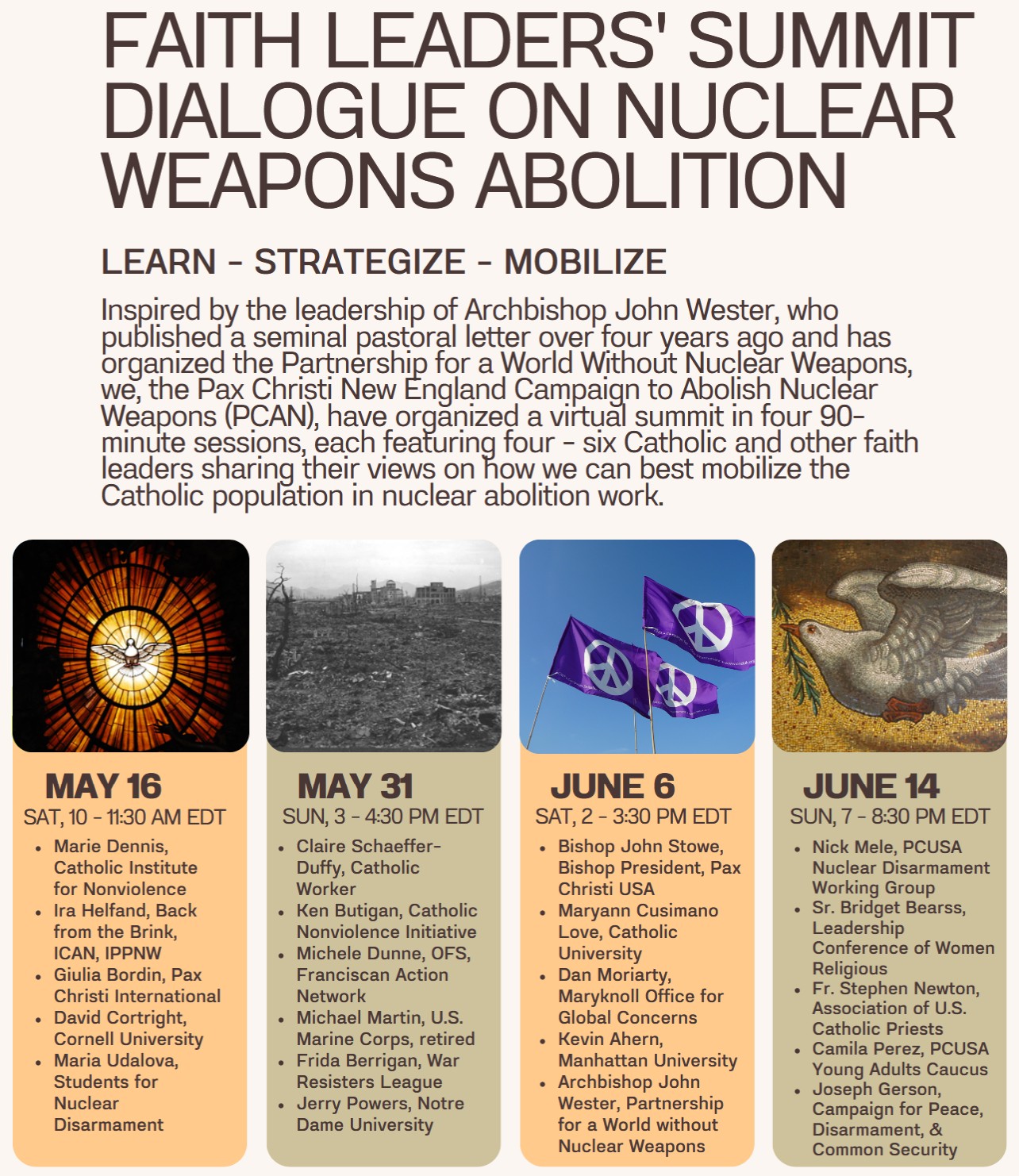
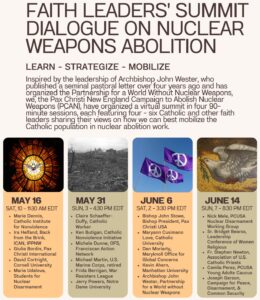 Santa Fe Archbishop John Wester, Partnership for a World Without Nuclear Weapons, will present on his 2022 pastoral letter,Living in the Light of Christ’s Peace: A Conversation Toward Nuclear Disarmament to a virtual summit dialogue to activate Catholics to work for the global abolition of nuclear weapons. For more information about the Pax Christi New England Campaign to Abolish Nuclear Weapons (PCAN) and to register, go to https://paxchristima.org/wp-content/uploads/2026/04/PCAN-Summits-Flyer-PDF.pdf
- Sunday, June 7th at 7:30 pm –
 Candlelight Vigil on the Santa Fe Plaza, as part of SEVEN DAYS IN JUNE movement calling for health care as a human right and political priority, hosted by Third Act New Mexico, Upaya Zen Center and Veterans for Peace. Launched by longtime organizer and AIDS activist Cleve Jones (SevenDaysInJune.org), the campaign responds to sweeping cuts to healthcare, scientific research, and public health programs – including Veterans Administration health services – that threaten millions of Americans.

The event will honor the 45th anniversary of the AIDS crisis, remember those affected by health inequities, and call for a more compassionate future. Rebecca Solnit and others will speak, joining communities across the country in raising their voices for health, justice, and human dignity.
- Monday, June 8th at 9 am at the NM State Capitol Building –
 Water Quality Control Commission Public Rulemaking Hearing for the Proposed Surface Water Quality State Permitting Program (WQCC 25-74(R)). The public hearing may be held until June 18th. To learn more, go to: Amigos Bravos: https://www.amigosbravos.org/upcoming-events/ To connect to the hearing: https://www.env.nm.gov/events-calendar/?trumbaEmbed=view%3Devent%26eventid%3D199647881
- Sunday, June 13th from 10 am to 11 am –
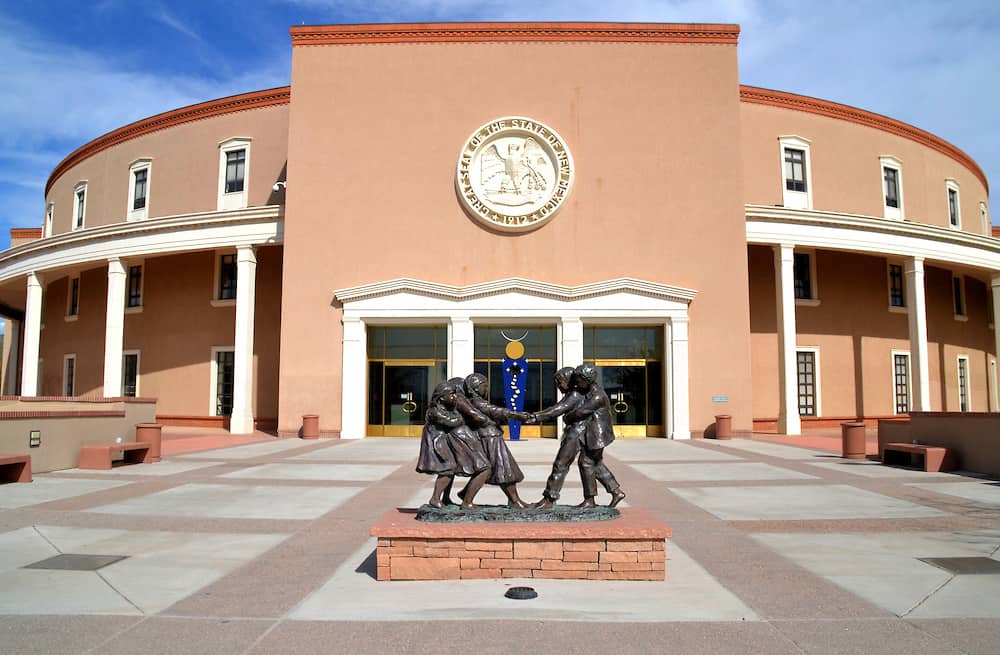
 Albuquerque Inaugural Women Veterans Celebration at New Mexico Veterans Memorial Park, 1100 Louisiana SE. Albuquerque Concert Band will begin music at 9:45 am. For more information, please call 505 768-4495.