
CCNS and Honor Our Pueblo Existence (HOPE) request your support of our request for sanctions in the appeal of the groundwater discharge permit DP-1132, issued to Los Alamos National Laboratory for operation of the Radioactive Liquid Waste Treatment Facility. The appeal is before the New Mexico Water Quality Control Commission, which has the authority to order sanctions. We seek sanctions requiring the Permittees, the Department of Energy / National Nuclear Security Administration, to pay our expenses caused by DOE/NNSA’s unethical behavior.

This case involves small non-governmental organizations challenging large industrial sites to comply with environmental laws and regulations. Since 2010, we have been challenging the improper regulation of the Radioactive Liquid Waste Treatment Facility. Legally, the facility should be regulated by the New Mexico Hazardous Waste Act, not the New Mexico Water Quality Act.
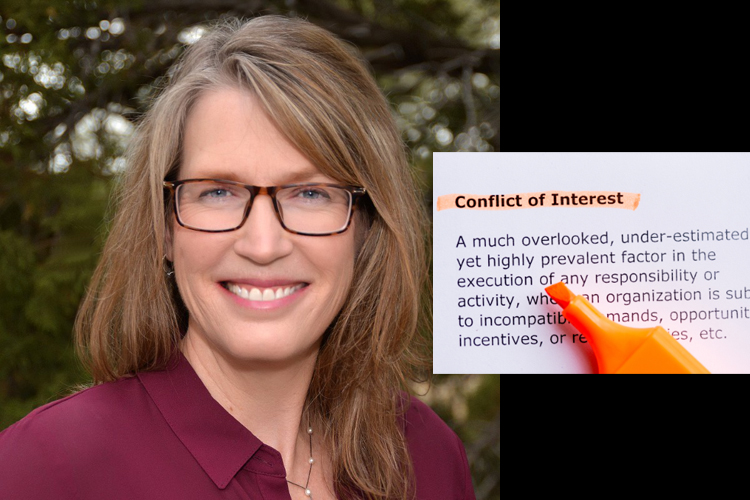
During public hearings on DP-1132, the Permittees announced job openings, and two employees of the New Mexico Environment Department, who were decision makers concerning DP-1132, applied for and were hired by DOE / NNSA. They had a clear conflict of interest.
CCNS and HOPE incurred legal and other expenses during and after the permit hearing to right the wrong.
The second violation occurred this summer, during our DP-1132 appeal to the Water Quality Control Commission. The Commission Chair pursued a job with DOE / NNSA, and at the same time allowed the unlawful permit DP-1132 to be effective indefinitely and postponed the appeal. https://www.env.nm.gov/opf/water-quality-control-commission/, scroll down WQCC 22-21: Concerned Citizens for Nuclear Safety and Honor Our Pueblo Existence’s Petition for Review of NMED Ground Water Discharge Permit DP-1132, click on link, go to November 4, 2022 Motion by Petitioners to Vacate Orders Issued Under Disqualification, November 17, 2022 Supplemental Memorandum on Motion by Petitioners to Vacate Orders Issued Under Disqualification, and subsequent filings.
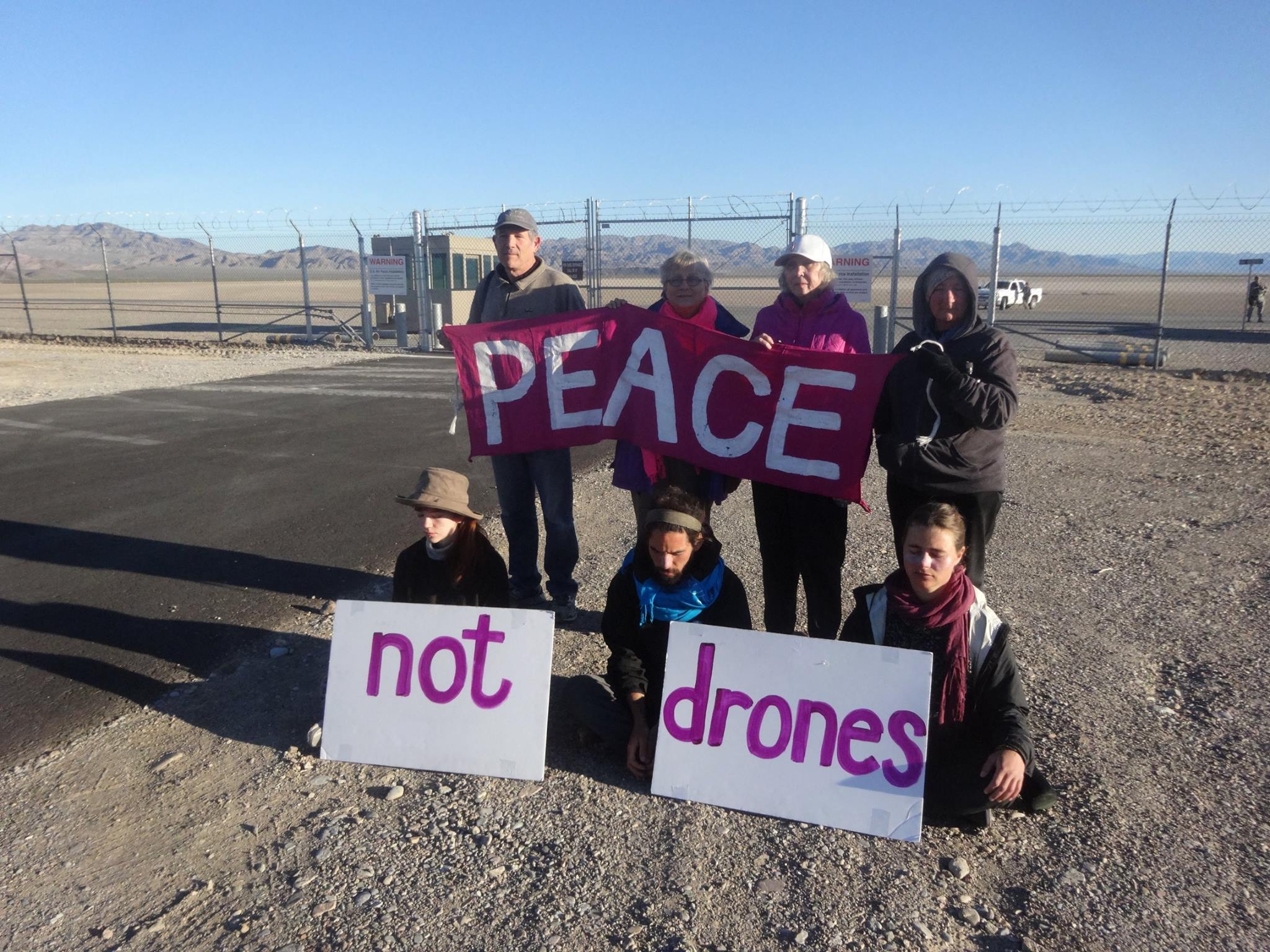
Friday, December 23rd from noon to 1 pm – Join the weekly peaceful protest for nuclear disarmament on the corners of Alameda and Guadalupe in downtown Santa Fe with Veterans for Peace, CCNS, Nuclear Watch NM, Loretto Community, Pax Christi and others.
Tuesday, December 20th, 2022 – NMED released the public notice, revised fact sheet, and draft hazardous waste renewal permit for WIPP. It is available here https://www.env.nm.gov/hazardous-waste/wipp/ , scroll down to WIPP News.
Friday, December 23rd, 2022 to Tuesday, January 3rd, 2023 – CCNS will be generally closed for the holidays.
Concerned Citizens for Nuclear Safety wishes to thank you for your past support and to ask you for renewed contributions to allow us to carry on our work promoting the well-being and safety of human beings living in the shadow of the nuclear weapons industries.
It is easy to persuade politicians to spend money on weapons of war, but it is far harder to make them recognize the real costs involved. Nuclear weapons production contaminates air and water, depletes the soil, and threatens the lives of those living and working nearby. Economic necessity may force people to welcome the jobs these industries bring, but no one should be forced to suffer from the toxins they produce. From those downwind from nuclear tests to those whose drinking water is polluted with toxic materials, the most affected individuals are often – although not exclusively – low-wealth and marginalized members of society. The armed forces, the Department of Energy, National Nuclear Security Administration, and their civilian contractors have vast resources and every incentive to obscure and hide the damage done to people whose bodies and lands are daily exposed to radioactive contamination.
Since 1988, CCNS has worked tirelessly to spotlight these concerns by all available means: distributing public knowledge through our website and social media; raising issues in public meetings; providing information to legislators, the media and others; meeting with officials of LANL, WIPP, NNSA, the New Mexico Environment Department and other agencies of the federal, state and local government and, when necessary, by filing lawsuits. Below, please find a list of some of our activities from the past year, all directed toward the safety and well-being of our common communities.
CCNS’s job will never be finished, and it costs money. Government officials and contractors need to be reminded – gently or forcefully, but in either case continually – to respect the lands where they work and the people who live on them. Please help us to keep everyone, and especially residents of Northern New Mexico, safe from the pollution generated from one the most dangerous industries on the world. Tax-deductible donations can be sent to CCNS, Post Office Box 31147, Santa Fe, NM 87594-1147, or they can be made at our website, http://nuclearactive.org/.
Thank you for your generous support! Together we are making a difference!
Grant Franks Joni Arends, Co-founder and
Board Chairman Executive Director
The following is a partial list of the routine work and special projects that CCNS has engaged in during 2022. (Items in bold face have required extraordinary expense for the retention of outside counsel.)
CCNS has:
Produced 52 weekly CCNS News Updates and Did You Know? to keep our subscribers and supporters up-to-date about new developments. CCNS is committed to the regular publication and dissemination of important events and challenges in the nuclear world and to producing fair, reasonable and even-handed reports. We consistently provide documentation, so that the reader can trust these materials and use the information themselves when contacting their representatives or other relevant officials.
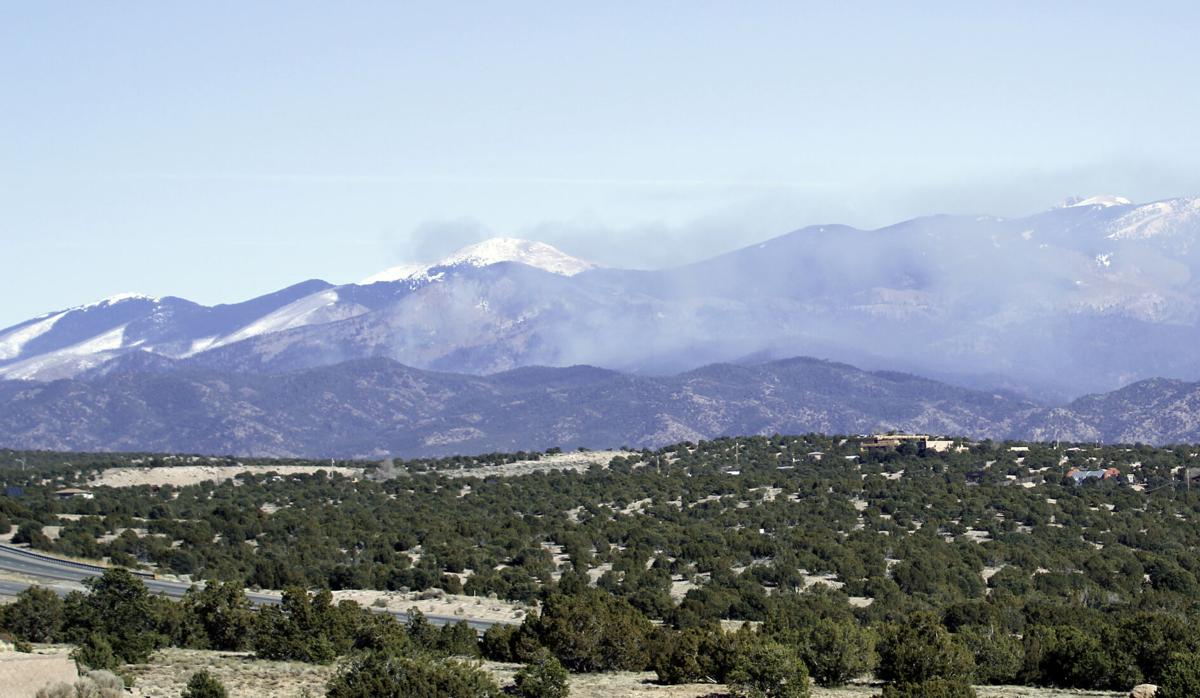
Kept a close eye on the Cerro Pelado Fire, especially as it moved within five miles of LANL’s backgate. In response to concerns voiced by CCNS and others, LANL began fire prevention measures along State Road 4.
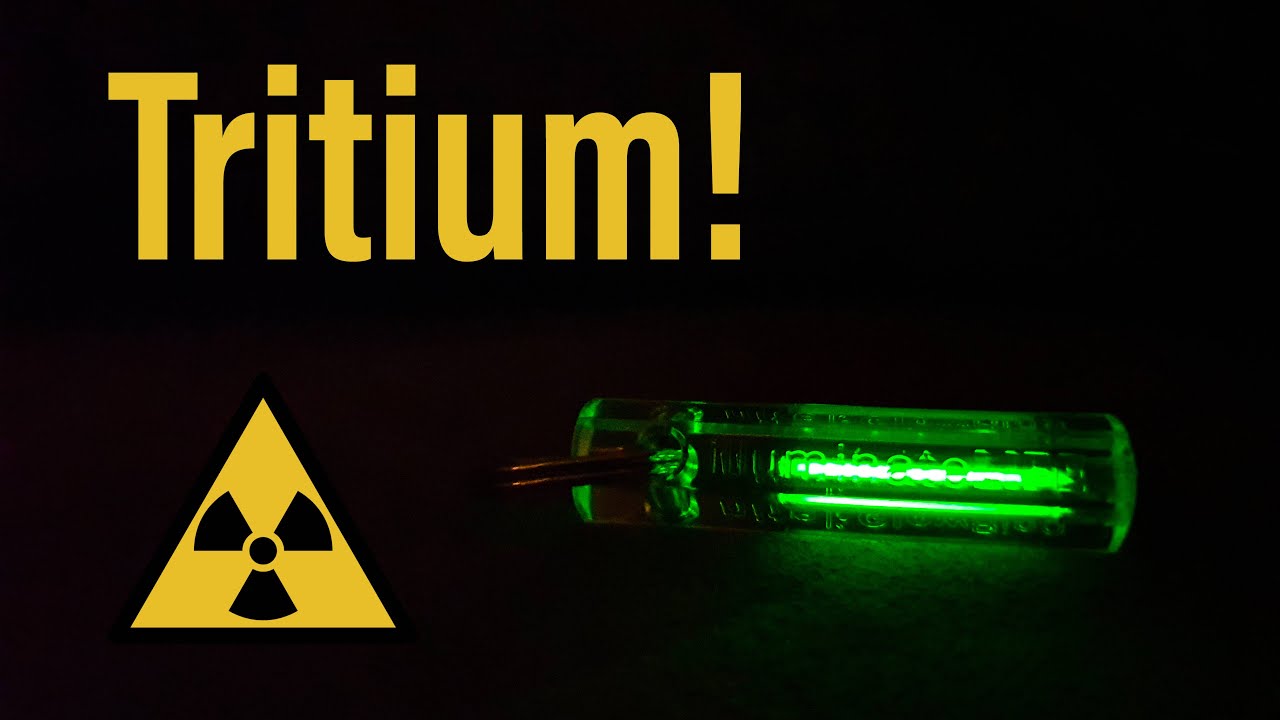
Worked to prevent the release of radioactive tritium from four flanged tritium waste containers stored at Area G, now slated for the spring of 2023.
Appealed the EPA’s issuance of a discharge permit for industrial sites that do not discharge, including the Radioactive Liquid Waste Treatment Facility (RLWTF) at LANL’s Technical Area 50. The Clean Water Act requires a discharge in order to issue a permit. The EPA issued “zombie” discharge permits for facilities that don’t discharge, but handle, treat and store hazardous waste, thus requiring regulation under the Resource Conservation and Recovery Act (RCRA). RCRA requires additional protections for the liquid waste treatment tank systems, additional seismic analyses, and additional monitoring. LANL is resisting proper regulation.
Objected to the NMED’s issuance of discharge permit 1132 (DP-1132) for the RLWTF’s Outfall 051. It stopped discharging in November 2010, yet NMED issued the discharge permit.
Appealed the DP-1132 permit to the NM Water Quality Control Commission (WQCC) where once again, the adjudicatory decisionmaker applied for and gained employment with the National Nuclear Security Administration (NNSA) while making decisions in this matter, a clear conflict of interest. The next WQCC meeting is January 10, 2023. CCNS encourages you to express your concerns.
Provided scoping comments about the proposed LANL Site-Wide Environmental Impact Statement (SWEIS). It should have been completed in 2018, but it was delayed for many reasons. Since 2018. the American taxpayers have paid for new buildings, new personnel, and new bonuses for the weaponers.
Encourage the State of New Mexico to comply with its issued hazardous waste permit and close the Waste Isolation Pilot Plant (WIPP) in 2024.
Encouraged enactment of provisions of the WIPP Consultation and Cooperation Agreement to ensure DOE establishes criteria for a new repository in another state than New Mexico;
Attended WIPP public meetings, including the July 7th “fiasco” meeting in Santa Fe and the October 24th meeting at Buffalo Thunder.
Participated in in-person and virtual meetings of the NM Legislature Interim Radioactive and Hazardous Materials Committee in Clovis and Santa Fe.
Participated in the virtual meeting of NM Radioactive Task Force on December 16th.
Since October, CCNS has requested volumetric data for the LANL waste shipped to WIPP. Since January 2021, Environmental Management-Los Alamos (EM-LA) and NNSA have “shared” shipments to WIPP. There were two kinds of waste: pre-1999 legacy cleanup waste and the newly generated waste from plutonium pit production. Based on unconfirmed data, it appears NNSA shipped more newly generated waste than EM-LA shipped legacy waste. CCNS is requesting assistance from our congressional offices to confirm the data and cause the establishment of a transparent electronic database where the public can determine for themselves whether legacy cleanup waste is getting off the Hill.
Participated in the international working group seeking to implement Article 6 Victim Assistance and environmental remediation and Article 7 International cooperation and assistance of the Treaty on the Prohibition of Nuclear Weapons.
Held meetings with congressional staffers of Senators Heinrich and Lujan and Representative Leger Fernandez about LANL and WIPP issues.
Prepared for, attended and actively participated in the following weekly, monthly or quarterly meetings:
Buckman Direct Diversion Board meetings
Cease Fire Campaign
LANL Technical Working Group, with a focus on environmental issues
National Environmental Justice Advisory Committee (NEJAC)
Stop Forever WIPP Working Group
White House Environmental Justice Advisory Committee (WHEJAC)
On Thursday, December 8th, the New Mexico Environment Department released its fact sheet for the draft Waste Isolation Pilot Plant (WIPP) Hazardous Waste Permit. The draft fact sheet is a way to let New Mexicans and the Department of Energy (DOE) know about the Environment Department plans for the ten-year renewal of the permit. https://www.env.nm.gov/hazardous-waste/wipp/ , scroll down to WIPP News.
WIPP is a deep geologic disposal site for plutonium-contaminated wastes generated from the production of pits, or the triggers, for nuclear weapons. WIPP is located 26 miles east of Carlsbad, New Mexico. It first opened in 1999 and is supposed to close in 2024.
The Environment Department summarized the new and more protective conditions it is considering. These include prioritizing the disposal of waste generated prior to 1999, called legacy waste, from cleanup activities in New Mexico, such as at Los Alamos National Laboratory (LANL), which DOE owns. LANL is located on the Pajarito Plateau above the Rio Grande.
The Environment Department says it will tie closing WIPP to the end of the ten-year permit term unless DOE provides an accurate inventory of all remaining wastes to be emplaced at WIPP. DOE wants to keep the site open until at least 2080. Thus, there could be a 50-year gap between what the Environment Department wants and what DOE wants.
The Environment Department will require DOE to submit an annual report describing its steps to site another geologic repository in a state other than New Mexico. Laws passed by the U.S. Congress have always considered WIPP to be the first, but not only, repository. Yet DOE has not begun finding another disposal site for nuclear weapons waste to fulfill promises to New Mexico and distribute the waste disposal responsibilities across the country.
The Environment Department Cabinet Secretary, James Kenney, stated, “The New Mexico Environment Department is taking a strong stance to protect the health, environment and interests of New Mexicans. The proposed permit changes clearly prioritize DOE’s cleanup of legacy contamination in our state while holding the [DOE] accountable.” https://www.env.nm.gov/home-news-releases/
The draft hazardous waste permit, about 1,200 pages in length, will be released next Tuesday, December 20th for public review and comment. https://www.env.nm.gov/hazardous-waste/wipp/ , scroll down to WIPP News.
Joni Arends, of CCNS, encouraged you to get involved in this process. Check out the CCNS website to explore public opposition to WIPP and to find fact sheets and sample public comments you can use and modify to submit your own comments.
Friday, December 16th from noon to 1 pm – Join the weekly peaceful protest for nuclear disarmament on the corners of Alameda and Guadalupe in downtown Santa Fe with Veterans for Peace, CCNS, Nuclear Watch NM, Loretto Community, Pax Christi and others.
Under the banner of “Diplomacy is the Path to Peace,” non-governmental organizations, faith-based groups, individuals and others are gathering for nationwide activities the week of December 19th to end the war in Ukraine, not life on Earth. https://defusenuclearwar.org/
Defuse Nuclear War is promoting the nationwide action as one effort to reach the public and pressure key elected officials to use diplomacy as the path to peace. They are encouraging people around the country to send photos of loved ones and others, whose futures are at stake, to the White House as well as to their senators and representatives.
Defuse Nuclear War.org will provide digital tools and links to facilitate the process to make it easy for people to send photos and accompanying messages to President Biden and members of Congress encouraging genuine diplomacy and measures to prevent nuclear war.
To learn more about Diplomacy is the Path to Peace, check out the November 30th live stream on the Defuse Nuclear War website. Speakers included Ryan Black, Mandy Carter, Dennis Kucinich, Pastor Mike McBride, Khury Petersen-Smith, David Swanson, Marcy Winograd and Ann Wright. https://defusenuclearwar.org/watch-videos/
In New Mexico, Veterans for Peace, CCNS, Nuclear Watch New Mexico, and other New Mexico non-government organizations will be joining together to organize events as we did for the Cuban Missile Crisis 60th anniversary on October 14th. The groups met with staffers from Senator Martin Heinrich’s office about the need to defuse nuclear war. They emphasized their demands to end the policy of “first use,” rejoin nuclear weapons treaties the U.S. pulled out of, take U.S. nuclear weapons off hair-trigger alert, get rid of the land-based ICBM nuclear missiles, support congressional action to avert nuclear war, and move the money to human needs, not war. https://defusenuclearwar.org/learn/
Veterans for Peace member Bob Josephs recounted his experience during the Cuban Missile Crisis as a young Air Force officer near Izmir, Turkey; he was in charge of three nuclear-armed Jupiter missiles kept on hair-trigger alert. Josephs explained, “I later learned that these missiles were the provocation for Khrushchev stationing Soviet missiles in Cuba. Robert McNamara, Defense Secretary under Kennedy, said we avoided nuclear war only by luck. A better plan than just plain dumb luck is to verifiably eliminate nuclear weapons as we pledged to do long ago in the 1970 Non-Proliferation Treaty.”
To learn more, please join Veterans for Peace, CCNS, Nuclear Watch New Mexico, the Loretto Community, Pax Christi and others in Santa Fe at noon on Fridays for a one-hour peaceful protest at the corners of Alameda and Guadalupe.
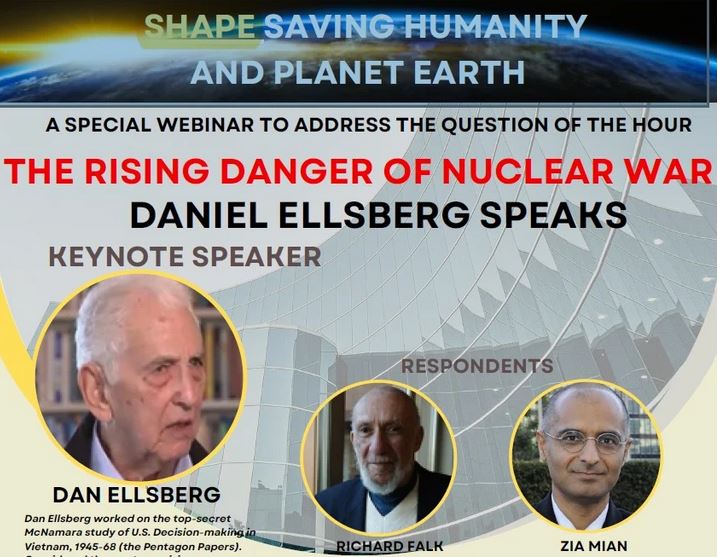
In further support of the need to eliminate nuclear weapons, check out the two powerful, yet short podcasts https://defusenuclearwar.org/podcast/ and videos https://defusenuclearwar.org/watch-videos/ with Daniel Ellsberg. Directed by Oscar-nominee Judith Ehrlich, the series explores the dangers of nuclear weapons and the politics that drive their existence. Hear firsthand accounts from Ellsberg about his time as a nuclear war planner for the U.S. military and learn hidden truth about realities of nuclear weapons.
In episode 1, Daniel Ellsberg recounts the death toll and violent realities of nuclear war.
In episode 2, Daniel Ellsberg makes the case for the U.S. eliminating hair-trigger intercontinental ballistic missiles (ICBMs) that cannot be called back and are vulnerable to attack.
Defuse Nuclear War is a joint endeavor of RootsAction.org and the RootsAction Education Fund.
Friday, December 9th from noon to 1 pm – Join the weekly peaceful protest for nuclear disarmament on the corners of Alameda and Guadalupe in downtown Santa Fe with Veterans for Peace, CCNS, Nuclear Watch NM, Loretto Community, Pax Christi and others.
Friday, December 9th and 10th – Annual Congreso de las Acequias in Las Vegas, NM. For more information – https://lasacequias.org/congreso/
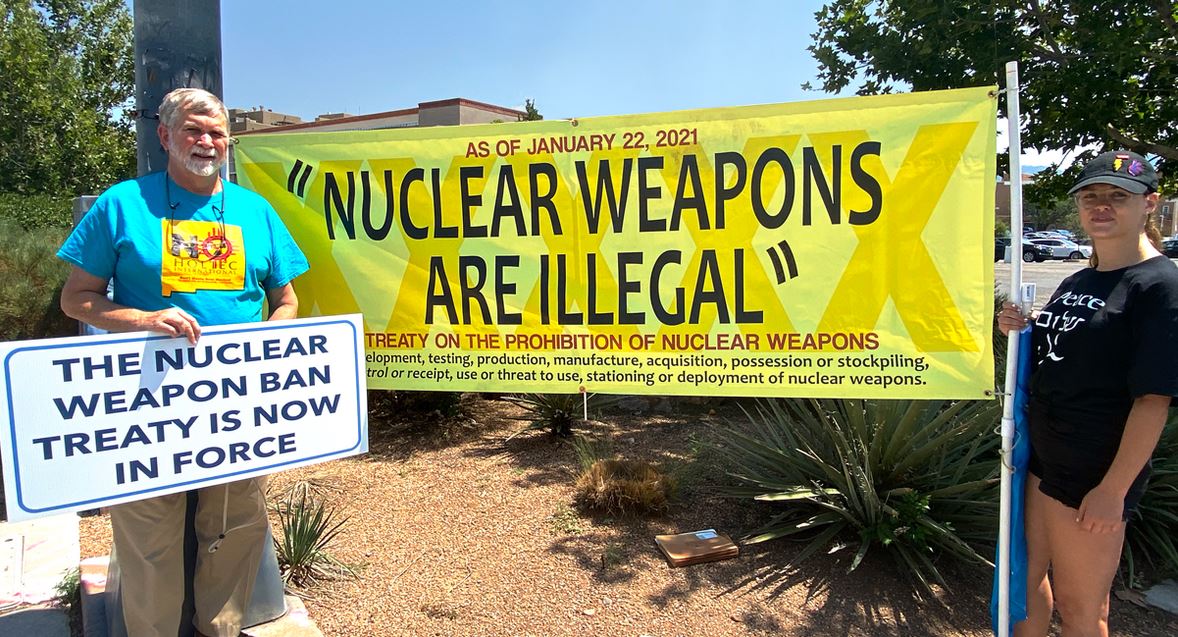
Tuesday, December 13th at 5 pm MST – It’s a great time to start planning activities for the second anniversary of the Nuclear Ban Treaty.January 21st, 2023will mark the second anniversary of the Treaty on the Prohibition of Nuclear Weapons (TPNW) entered into force.https://www.nuclearbantreaty.org/upcoming-events-meetings/ Please share this email with friends, family, organizations, faith communities and others!
The Earth has been rocking and rolling with large earthquake and volcanic activity lately. It makes us wonder how seismic activity along the north – south running Pajarito Fault System and the massive Valles Caldera is being monitored and where the data is posted for easy public access.
In 1973 – nearly 50 years ago – the Los Alamos Seismic Network (LASN) installed its first seismic monitoring stations in north central New Mexico to research underground nuclear weapons tests. The network’s spatial extent was expanded through the 1970s to about 25 stations, but funding cuts in the middle 1980s reduced its coverage to about seven stations. Those stations were maintained until 1999.
Los Alamos National Laboratory (LANL) operates the Los Alamos Seismic Network. A 2020 LANL report entitled Seismicity Monitoring in North-Central New Mexico by the Los Alamos Seismic Network was published in the Seismological Research Letters. https://www.osti.gov/pages/servlets/purl/1688745 That report reveals that from 1999 to the present funding levels “have still been sparse and variable” (p. 3), and that “continued data acquisition, archiving, and routine analysis remain ongoing challenges” (p. 3). The current network has 17 stations that operate in isolated, stand-alone mode. Surprisingly, “[a]ll acquired data must be manually copied from the personal computer and transferred to another machine for archiving” (p. 4).
It is tragic that the Seismic Network is not working properly because the U.S. government, at LANL, has been investing billions for infrastructure, equipment and personnel to support expanded production of plutonium triggers for nuclear weapons.
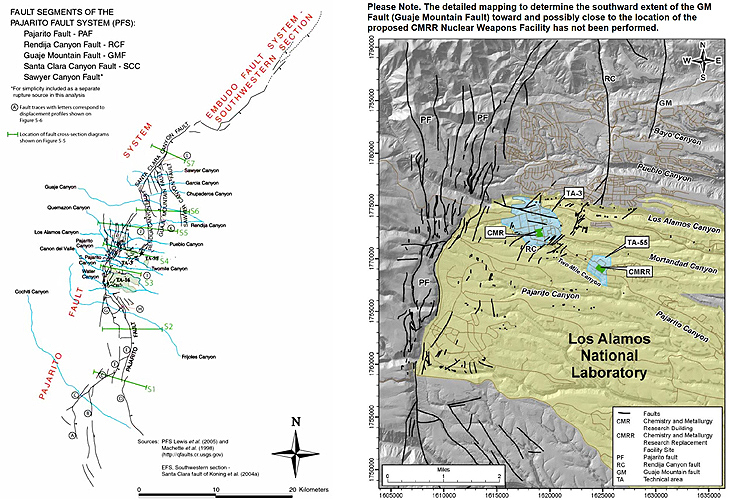
LANL nuclear facilities are located within the Pajarito Fault System on the Pajarito Plateau between the Jemez Mountains and the Rio Grande. Recall how in 2012 the proposed Super Walmart-sized Nuclear Facility, as part of the Chemistry and Metallurgy Research Replacement Project, was eventually canceled because of seismic concerns, among others. https://nuclearactive.org/doe-considers-a-ten-fold-increase-of-plutonium-in-cmrr-rad-lab-at-lanl/
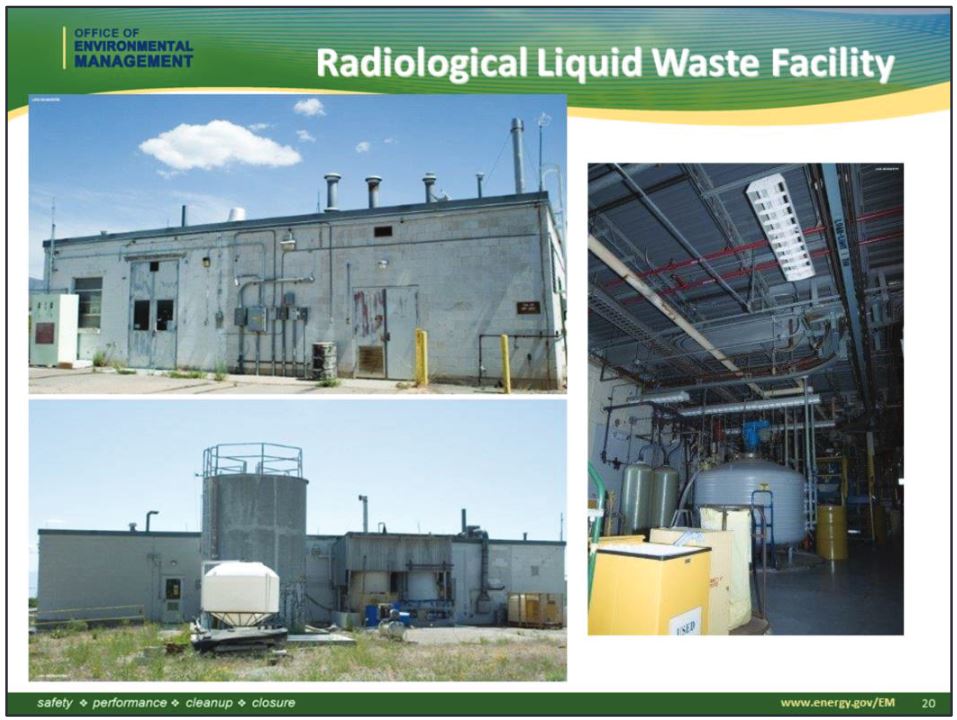
Across the street from the proposed Nuclear Facility site is the nearly 60-year old Radioactive Liquid Waste Treatment Facility. It handles, treats and stores hazardous waste from nuclear weapons research and manufacturing across the LANL site.
For over a decade CCNS and Honor Our Pueblo Existence have argued the facility must be regulated by the New Mexico Hazardous Waste Act, which requires a seismic analysis before it can be permitted. https://nuclearactive.org/doe-considers-a-ten-fold-increase-of-plutonium-in-cmrr-rad-lab-at-lanl/ That data is not available because the Los Alamos Seismic Network has been historically underfunded and uses antiquated equipment.
Please contact your congressional members with the urgent request that LANL upgrade and expand the Los Alamos Seismic Network now and make all the seismic data electronically available to the public.
Thank you for your generous financial support on Giving Tuesday! We exceeded our goal!
Friday, December 2nd from noon to 1 pm – Join the weekly peaceful protest for nuclear disarmament on the corners of Alameda and Guadalupe in downtown Santa Fe with Veterans for Peace, CCNS, Nuclear Watch NM, Loretto Community, Pax Christi and others.
Tuesday, December 13th at 5 pm MST –It’s a great time to start planning activities for the second anniversary of the Nuclear Ban Treaty.January 21st, 2023will mark the second anniversary of the Treaty on the Prohibition of Nuclear Weapons (TPNW) entered into force.https://www.nuclearbantreaty.org/upcoming-events-meetings/ Please share this email with friends, family, organizations, faith communities and others!
Week of December 19th – global organizing events under the banner “Diplomacy is the Path to Peace” to end the war in Ukraine, not life on Earth. Join in the efforts of the Defuse Nuclear War movement, along with local organizations Veterans for Peace and CCNS. https://defusenuclearwar.org/ Get involved, join the movement! Contact us at ccns@nuclearactive.org .
For over 34 years, CCNS has been a leader for nuclear safety. We began in 1988 to address community concerns about the proposed transportation of plutonium contaminated hazardous waste from Los Alamos National Laboratory, or LANL, to the proposed Waste Isolation Pilot Plant, or WIPP, for disposal in the deep geologic repository. At that time, the proposal was to ship the waste through Santa Fe on Saint Francis Drive, near traditional neighborhoods, seven schools and the hospital.
Since then, CCNS has challenged LANL’s and WIPP’s compliance with the Clean Air Act, the Clean Water Act, and the federal and state hazardous waste laws.
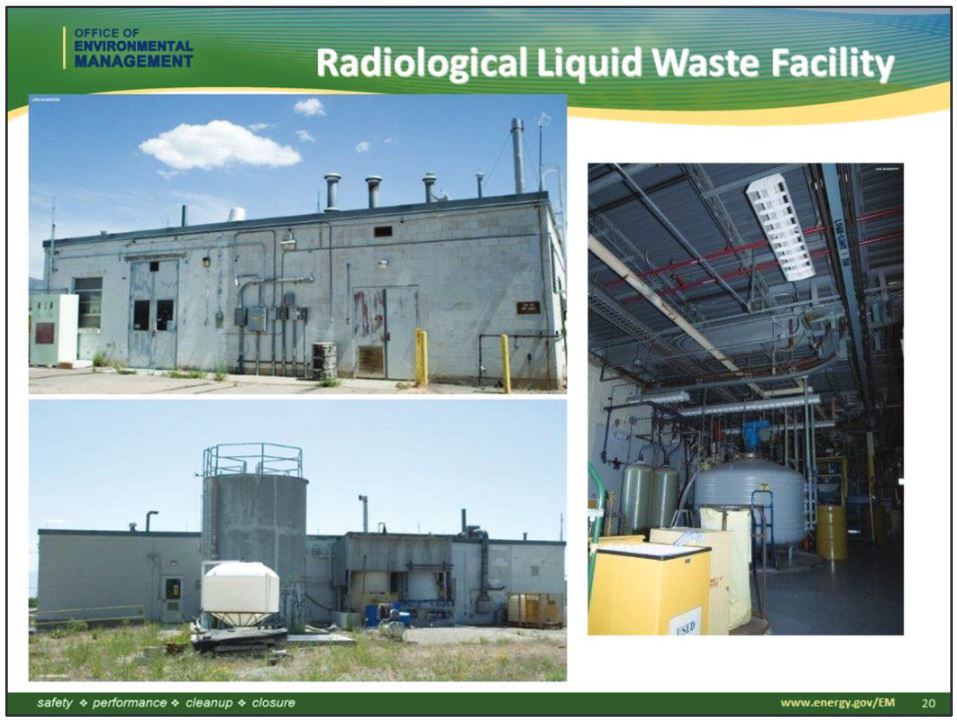
CCNS is currently challenging the illegal regulation of the Radioactive Liquid Waste Treatment Facility at LANL through the Clean Water Act and the New Mexico Water Quality Act. The key facility supports the production of plutonium pits, or the triggers, for nuclear weapons. It receives contaminated waters from across the LANL site through underground pipes and by truck that are decontaminated in a series of tank treatment processes. The resulting sludge is packaged into drums and shipped to WIPP for disposal.
A Hazardous Waste Act permit has never covered those treatment systems, although the law requires it. Such a permit would include strict compliance requirements to prevent releases from the numerous tank systems. As LANL is located within the Pajarito Fault System, the hazardous waste regulations require the Department of Energy (DOE) to demonstrate compliance with seismic safety rules. http://nuclearactive.org/wp-content/uploads/2014/06/LANL-PAJARITO-FAULT-SYSTEM-FIGURES.pdfNote: The Radioactive Liquid Waste Treatment Facility is located at Technical Area 50, or TA-50, which shares its western border with TA-55, the Plutonium Facility.
Right now, LANL is constructing new facilities at TA-50 for low-level and transuranic radioactive liquid waste that are not required to meet seismic standards. LANL’s plans are to have these two new facilities accept hazardous waste without any further public proceedings and, equally clear, without meeting the standards of the hazardous waste laws. Once built, these new facilities would stand as a fait accompli, defying any attempt to bring them into compliance with the hazardous waste laws.
DOE strongly resists being permitted under the Hazardous Waste Act and, seeking the sanctuary of far less rigorous regulations, has obtained a state-law groundwater discharge permit and a federal Clean Water Act permit, which are not protective but, DOE argues, confer exemptions from the Hazardous Waste Act.
To review the filings in the state appeal, go to https://www.env.nm.gov/opf/docketed-matters/, scroll down to Water Quality Control Commission to WQCC 22-21: Concerned Citizens for Nuclear Safety and Honor Our Pueblo Existence’s Petition for Review of NMED Ground Water Discharge Permit DP-1132.
To support this essential work, please be as generous as you can on Giving Tuesday, November 29th. To make a financial contribution, please visit our website at http://nuclearactive.org/ . Thank you!
Friday, November 25th from noon to 1 pm – Join the weekly peaceful protest for nuclear disarmament on the corners of Alameda and Guadalupe in downtown Santa Fe with Veterans for Peace, CCNS, Nuclear Watch NM, Loretto Community, Pax Christi and others.
Monday, November 28th at 6 pm MST – World Nuclear Survivors ForumDialogue with the Co-Chairs of Articles 6 and 7 of the Treaty on the Prohibition of Nuclear Weapons. Kazakhstan and Kiribati, as co-chairs of the working group for providing victim assistance for survivors of nuclear weapons use and testing and remediating contaminated environments under the Treaty on the Prohibition of Nuclear Weapons (TPNW), would like to cordially invite you to attend a consultation for members of communities affected by nuclear weapons on Tuesday, 29 November at 1pm Fiji Standard Time [Monday, 28 November at 6 pm MST]. The co-chairs are: H.E. Ambassador Teburoro Tito, Permanent Representative of Kiribati to the United Nations and Mr. Zhangeldy Syrymbet, Counsellor, Permanent Mission of Kazakhstan to the United Nations. The co-chairs will provide an overview of their plans for the working group and then open the floor to hear from affected community members, including on how they would like to be consulted and involved in the work of the group going forward. To register for the event please follow this link: https://us02web.zoom.us/meeting/register/tZEqf-6vrzkrH9ZH3AjWu1AMa-sn2dTJzHGs
Wednesday, November 30th from approximately noon to 5 pm MST and Thursday, December 1st from approximately 7 am to 3 pm MST – The White House Environmental Justice Advisory Council (WHEJAC) will convene a hybrid in-person public meeting with a virtual option. Registration is open throughout the duration of all meeting days virtually and in person. However, members of the public who wish to participate during the public comment period on Wed. Nov. 30th from 2:15 to 5 pm MST must register by 9:59 p.m. Mountain Time, Nov. 23, 2022.https://www.epa.gov/environmentaljustice/white-house-environmental-justice-advisory-council Topics include a conversation with John Podesta, Senior Advisory to the President for Clean Energy Innovation & Implementation, an overview of the Greenhouse Gas Reduction Fund, a federal panel discussion on addressing legacy pollution, carbon management and the National Climate Assessment. https://www.epa.gov/system/files/documents/2022-11/WHEJAC%20Draft%20Agenda%20Alexandria%20In-Person%20Public%20Mtg%20Web%20ver2.pdf The meeting is free and open to all members of the public. Individual registration for this event is REQUIRED. Register here: https://usepa.zoomgov.com/webinar/register/WN_SosqfAdJQCWWtWGjMcSbKw
Emma Pike (@emmakiko on Tiktok) has taken on a 30 day challenge to take action and share knowledge about nuclear weapons! You may have seen her featured on ICAN’s instagram and tiktok before, but now Emma is using her personal account to create posts and start conversations about the many ways nuclear weapons affect us, and of course about the treaty and build a small community of people who care about the issue. Her styles vary from deep explainers on why stigmatising nuclear weapons matters or the connections with climate change, or just having some fun with trends!
You’ll notice Emma’s not someone who is already an influencer but rather a campaigner who is taking this new tool and running with it and seeing what works. We love that. We will be asking Emma to recap some of her key lessons once she’s finished the challenge (and stay tuned for more details on a live next week), but in the meantime if you want to see what she’s up to, ask her questions, or send your encouragement, please go follow her.
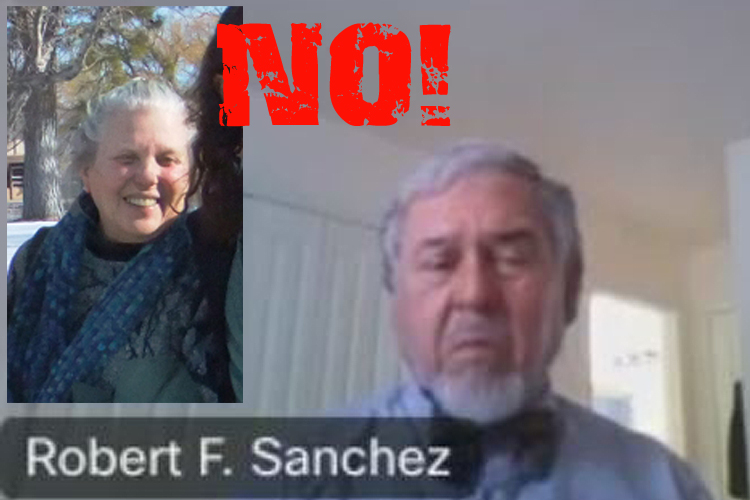
This week the National Nuclear Security Administration (NNSA) provided evidence to CCNS and Honor Our Pueblo Existence (HOPE) that Stephanie Stringer, a New Mexico Environment Department Deputy Cabinet Secretary and Chair of the New Mexico Water Quality Commission, made adjudicatory decisions against the non-governmental organizations while she was applying for NNSA employment. This is the second time NNSA has hired an adjudicatory decision-maker during an ongoing proceeding addressing the groundwater discharge permit, DP-1132, for the Radioactive Liquid Waste Treatment Facility at Los Alamos National Laboratory. http://nuclearactive.org/wp-content/uploads/2019/06/190606-CCW-Petition-for-Mandamus-2019-06-06.pdf , see ¶¶ 14 – 24.
This time, Stephanie Stringer, after applying for the NNSA job, demonstrated her bias by not recusing herself from the matter. She voted against the NGOs in the requested permit review before the Water Quality Control Commission.
Because the Facility handles, treats and stores hazardous waste, the federal Resource Conservation and Recovery Act (RCRA), as implemented by the New Mexico Hazardous Waste Act, must regulate it. The New Mexico Water Quality Act excludes the regulation of hazardous waste facilities.
After decades of public opposition, on May 5, 2022, the Environment Department issued the final groundwater discharge permit. On June 6th, the NGOs filed an appeal of the permit to the Commission. https://www.env.nm.gov/opf/docketed-matters/ , scroll down to Water Quality Control Commission to Case No. WQCC 22-21: Concerned Citizens for Nuclear Safety and Honor Our Pueblo Existence’s Petition for Review of NMED Ground Water Discharge Permit DP-1132.
On July 29th, the NNSA job was posted. Stringer submitted her application on August 7th – two days before the first Commission hearing on the permit. Because the NGOs had appealed a federal discharge permit for the Facility to the Environmental Appeals Board (EAB), NNSA, Triad National Security, LLC, and the Environment Department had asked for a stay. Stringer called for a vote on the stay motion until the EAB issued a decision. The motion passed.
Chair Stringer had an interview with the NNSA on August 23rd. The following week she signed the Commission’s order granting a stay of all the proceedings pending an EAB decision.
On the next day, August 31st, NNSA offered Stringer a position.
With the job offer in hand, Stringer continued working for the Environment Department and as the Commission Chair through a hearing on September 13th. At the hearing, the NGOs moved to reverse the groundwater discharge permit based on the Water Quality Act statutory limitation. Chair Stringer seconded a motion to deny reversal of the permit.
On October 31st, Stringer resigned her state position and on November 6th, reported for work with NNSA.
The NGOs have filed a motion before the Commission to vacate the decisions in which Chair Stringer participated.
Thursday, November 17, 2022 at 6 pm MST – Night with the Experts welcomes Dr. Edwin Lyman discussing Guinea Pig Nation: How the NRC’s new licensing rules could turn communities into test beds for risky, experimental nuclear plants, hosted by Nuclear Energy Information Service (NEIS). View the flyer here: Night With Experts Dr Lyman3 Use this ZOOM link to join the session: https://us02web.zoom.us/j/82689371046?pwd=YkFuQTdKa2hKbmo2T2xtVzVCdmJCZz09
Friday, November 18th from noon to 1 pm – Join the weekly peaceful protest for nuclear disarmament on the corners of Alameda and Guadalupe in downtown Santa Fe with Veterans for Peace, CCNS, Nuclear Watch NM, Loretto Community, Pax Christi and others. Join us about next steps toward nuclear disarmament.
Tuesday, November 22nd from 5:30 pm to 8 pm at Fuller Lodge in Los Alamos – reception, author talk and book signing for Nuclear Nuevo México, by Dr. Myrriah Gómez. Dr. Myrriah Gómez will discuss her book Nuclear Nuevo México. Contrary to previous works that suppress Nuevomexicana/o presence throughout U.S. nuclear history, Nuclear Nuevo México focuses on recovering the voices and stories that have been lost or ignored in the telling of this history. By recuperating these narratives, Myrriah Gómez tells a new story of New Mexico, one in which the nuclear history is not separate from the collective colonial history of Nuevo México but instead demonstrates how earlier eras of settler colonialism laid the foundation for nuclear colonialism in New Mexico. https://www.samizdatbookstore.com/event/nuclear-nuevo-m%C3%A9xico-myrriah-g%C3%B3mez
The Defense Nuclear Facilities Safety Board (DNFSB) in person and virtual public hearing will take place on Wednesday, November 16th, 2022, from noon to 9:45 pm (with four breaks of varying lengths) at the Santa Fe Community Convention Center. The hearing will be presented live through internet video streaming. A link to the presentation will be available on DNFSB’s website at https://www.dnfsb.gov/
On Wednesday, November 16th, during the first virtual and in-person public hearing session, the Defense Nuclear Facilities Safety Board will hear from three Los Alamos National Laboratory (LANL) officials about the stored and buried transuranic waste at the Area G dump. The second and third public hearing sessions will focus on the national security missions and nuclear safety posture, and improving safety systems, safety management programs, and oversight, respectively. The fourth public hearing session will focus on public comments and wrap-up. https://www.dnfsb.gov/sites/default/files/meeting/November%2016%2C%202022%20Hearing%20Agenda_1.pdf
In the first session, the Board wants to understand LANL’s plans to “remove legacy transuranic waste while minimizing the amount of aboveground transuranic waste.” Let’s break down that description.
Legacy transuranic waste is plutonium-contaminated waste from the production of nuclear weapons that was generated prior to 1999, when the Waste Isolation Pilot Plant (WIPP) opened. Area G legacy waste is buried in containers in unlined pits, trenches and shafts carved out of the volcanic tuff. Legacy waste is also stored in containers above ground in fabric tents. None of it is in safe long-term storage.
There are two possible meanings of the phrase, “minimizing the amount of aboveground transuranic waste.” One is minimizing the legacy waste stored in the tents that is destined for deep underground disposal in WIPP. The other is minimizing the newly-generated plutonium-contaminated waste from the fabrication of the triggers, or pits, of nuclear weapons. The choice of meanings is important.
The legacy waste aboveground is prepared for shipment to WIPP under the auspices of Environmental Management Los Alamos, or EM-LA. The amount of legacy waste shipped to WIPP is publicly reported.
But the facts about the newly-generated waste are harder, if not impossible, to come by. The National Nuclear Security Administration (NNSA) operates the plutonium pit fabrication activities.
Since October 3rd, 2022, CCNS has been asking for the commingled shipment data for fiscal year 2022. EM-LA does not have that data, even though one of its contractors, N3B, stated that all of the waste shipped in fiscal year 2022 was legacy waste. https://n3b-la.com/n3b-exceeds-legacy-waste-shipment-goals-for-fy22/
There are efforts to get the waste off the hill, but what waste? Since there is limited space at WIPP, disposal of legacy waste must be the priority.
The public needs easy access to all of the shipment data and so does the Defense Nuclear Facilities Safety Board. Please bring your questions and concerns to the hearing. Public comments will be heard from 2 to 2:30 pm and from 8:45 to 9:25 pm.
If you are interested in making comments, please pre-register by close of business on Friday, November 11, 2022. Please follow the instructions in the Federal Register notice – which is cut and pasted below:
Persons interested in speaking during the public comment portion of the Public Hearing are encouraged to pre-register by submitting a request in writing to the Office of General Counsel at 625 Indiana Avenue NW, Suite 700, Washington, DC 20004, emailing hearing@dnfsb.gov , or calling (202) 694–7062 or (800) 788–4016 prior to close of business on November 11, 2022. DNFSB asks that commenters describe the nature and scope of their oral presentations.
Those who pre-register will be scheduled to speak first. Individual oral comments may be limited by the time available, depending on the number of persons who register. At the beginning of the hearing, a list of speakers will be posted at the entrance to the hearing room. Anyone who wishes to comment or provide technical information or data may do so in writing, either in lieu of, or in addition to, making an oral presentation. The Board Members may question presenters to the extent deemed appropriate. Written comments and documents will be accepted at the hearing or may be sent to DNFSB’s Washington, DC office. DNFSB will hold the hearing record open until December 16, 2022, for the receipt of additional materials. Additional details, including the detailed agenda for the hearing, are available at https://www.dnfsb.gov . https://www.dnfsb.gov/sites/default/files/meeting/Federal%20Register%20Notice_12.pdf
Helpful tips to help you prepare your public comments
If you are interested in making public comments but don’t know where to start or what topic to cover, check out the weekly one-page Resident Inspector Reports for LANL on the DNFSB website. https://www.dnfsb.gov/ Read one or two of three of them. For example, the Oct. 14, 2022 report covers electrical safety, criticality safety and on-site transportation – all topics that will be discussed during the Nov. 16, 2022 public hearing. https://www.dnfsb.gov/sites/default/files/document/26846/Los%20Alamos%20Week%20Ending%20October%2014%202022.pdf
Friday, November 11th from noon to 1 pm – Armistice Day – Join the weekly peaceful protest for nuclear disarmament on the corners of Alameda and Guadalupe in downtown Santa Fe with Veterans for Peace, CCNS, Nuclear Watch NM, Loretto Community, Pax Christi and others. Join us about next steps toward nuclear disarmament.
Monday, November 14th from 9 am to 5 pm – virtual and in-person Radioactive & Hazardous Materials Committee public meeting at the State Capitol, Room 309, Santa Fe.A primary focus is LANL. Presentations about the proposed Green Amendment, Uranium Mining Legacy Cleanup, Legacy Environmental Cleanup at LANL, Update from LANL, Discussion Topics Concerning LANL, and Increasing Penalties for Violations of Environmental Statutes. Public comments are scheduled for 4:30 pm. To make virtual public comments, please see https://www.nmlegis.gov/agendas/RHMCageNov14.22.pdf
Monday, November 14th from 4:30 to 5:30 pm MT – virtual training for LANL’s Electronic Public Reading Room (EPRR).https://permalink.lanl.gov/object/tr?what=info:lanl-repo/lareport/LA-UR-22-30217 The EPRR is an information repository for administrative and environmental information and correspondence as required by Section 1.10 of the 2010 NM Environment Department Hazardous Waste Facility Permit for LANL. The EPRR is available at https://eprr.lanl.gov/
When it is time to join the meeting:
WebEx Link: https://lanl‐us.webex.com/lanl‐us/j.php?MTID=m8a5939de8afadbcbb5a5bedeb3c8c4d5
Meeting No.: 2463 136 2821
Video address: 24631362821@lanl‐us.webex.com
PIN: EPRR‐Train
Call In No.: 1‐415‐655‐0002
Call Access No.: 2463 136 2821 then press # to confirm and enter the meeting
Tuesday, November 15th at 10 to 11 am Mountain Time – Radiation and Public Health Project Annual Meeting – The Baby Teeth Project. https://radiation.org/research-using-100000-baby-teeth-begins/ The Radiation and Public Health Project (RPHP) research and education group is working with a group of independent scientific advisors to on a landmark research project that will soon analyze over 100,000 baby teeth that remain from a 1960s study and have been donated to RPHP. Fallout remaining in teeth from above-ground atomic bomb tests still can be measured, providing a unique opportunity to assess health impact from past exposures. In addition, RPHP is collecting baby teeth from children now living near nuclear reactors, which produce the same toxic chemicals as did atomic bombs. This research is one of a kind opportunity to better understand two critical health questions:
1. Whether fallout raised cancer risk to Baby Boomers, now in their 60s
2. If children near nuclear reactors can expect to face cancer risk later in life similar to Baby Boomers
No other research organization in the U.S. is studying health hazards from fallout or reactor exposures, using actual in-body measurements.
As we consider future energy choices in a climate constrained world, better understanding long-term impacts of radiation exposure is an essential data point that is largely being ignored. RPHP is filling this gap by using the 100,000 teeth to understand past risk, and predict future risk.