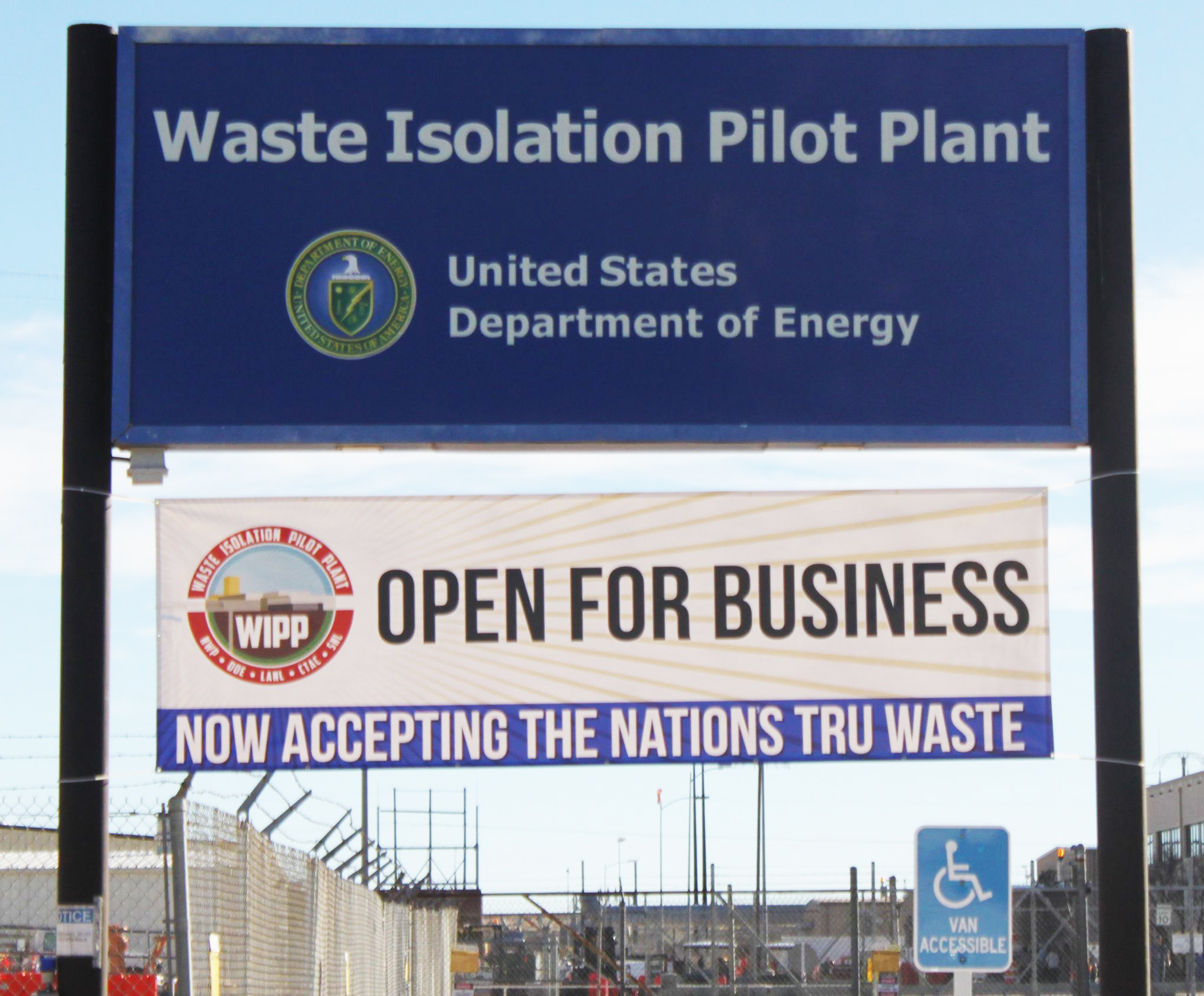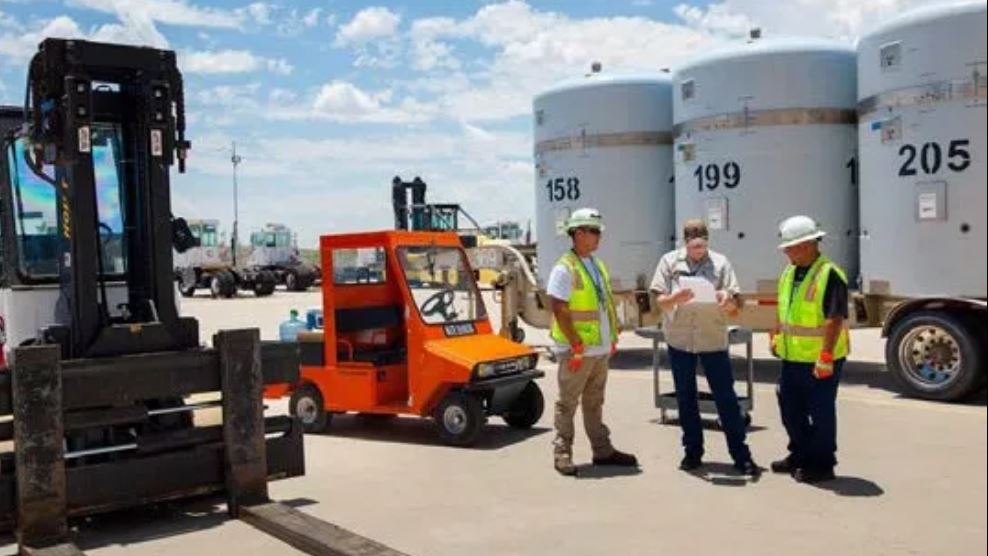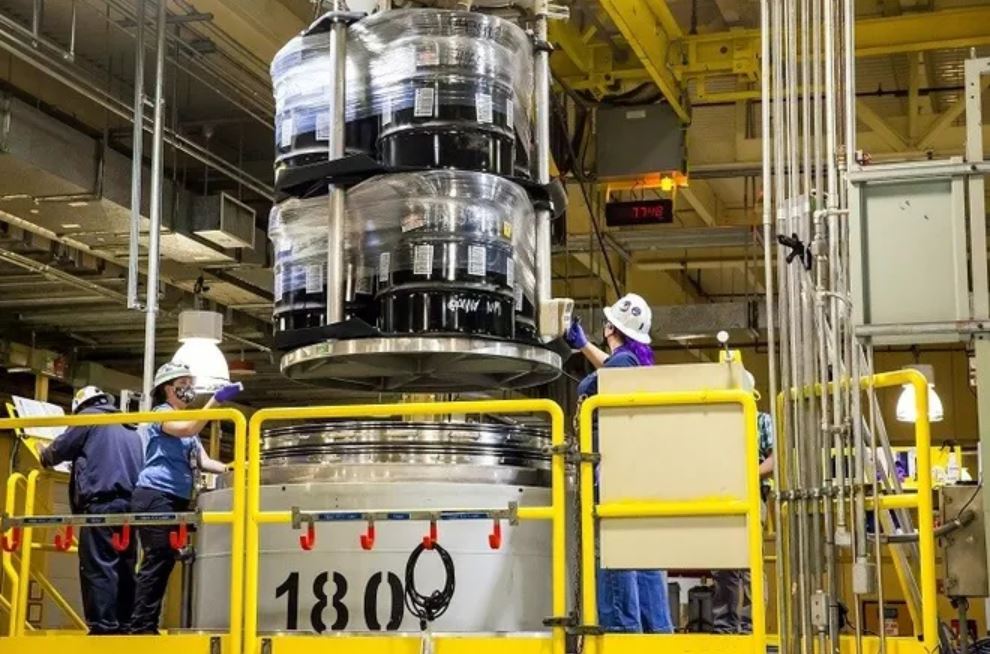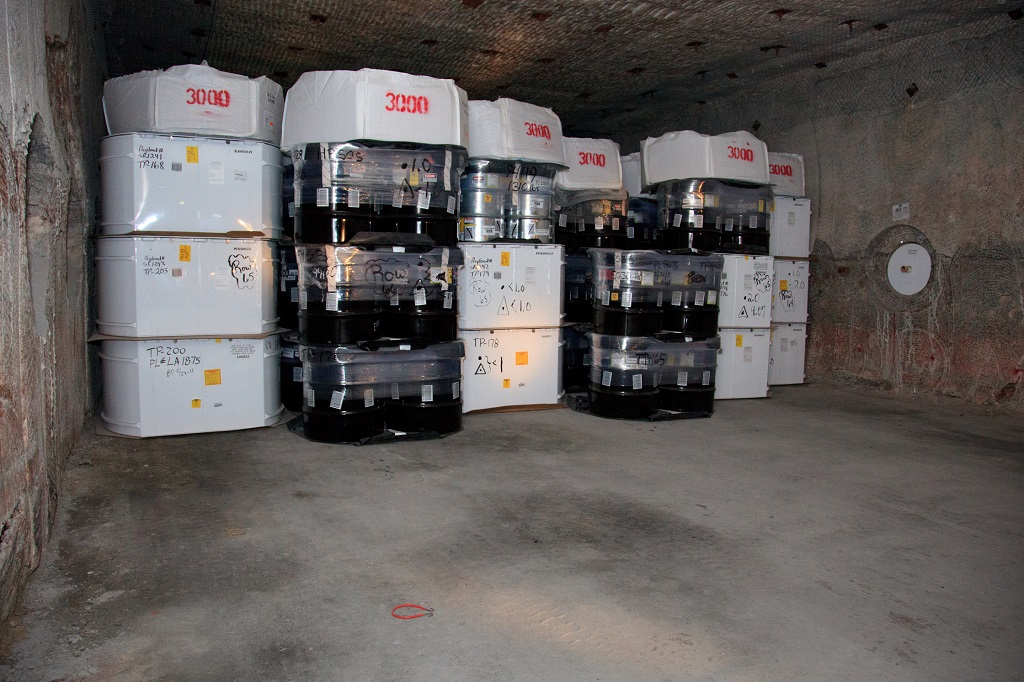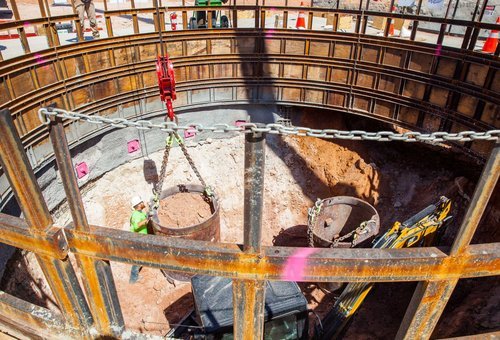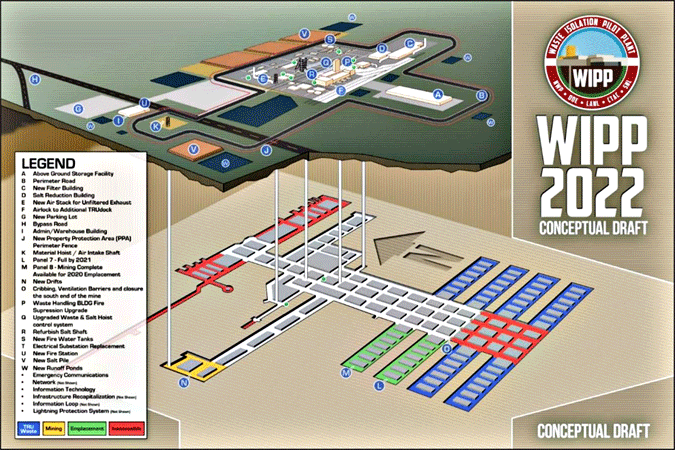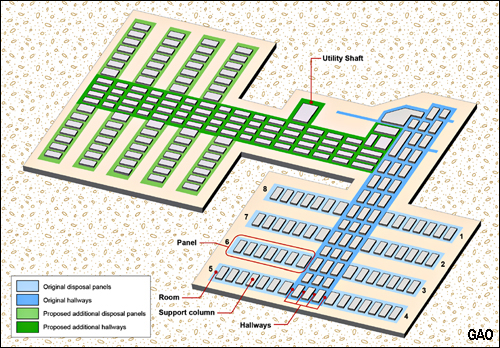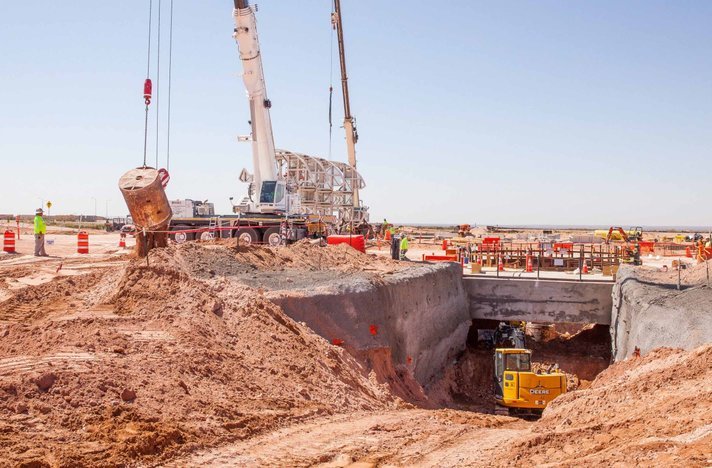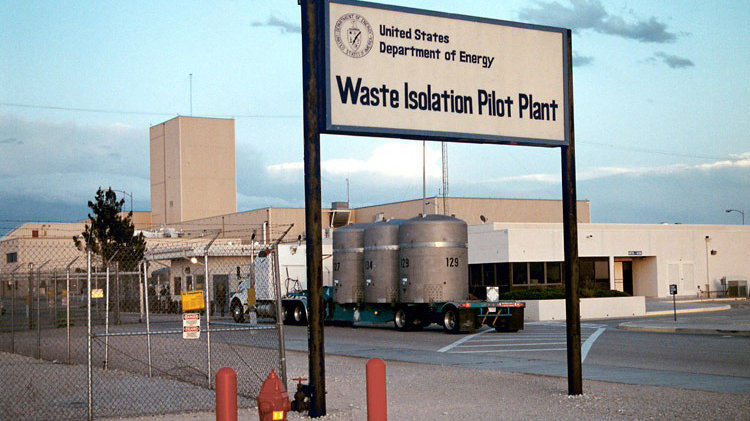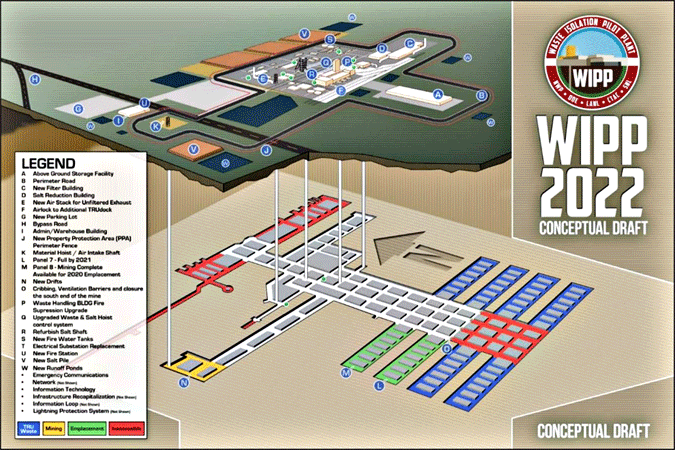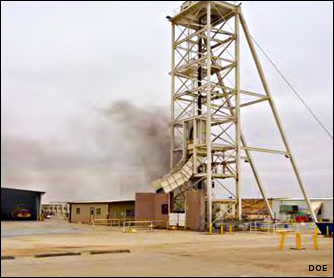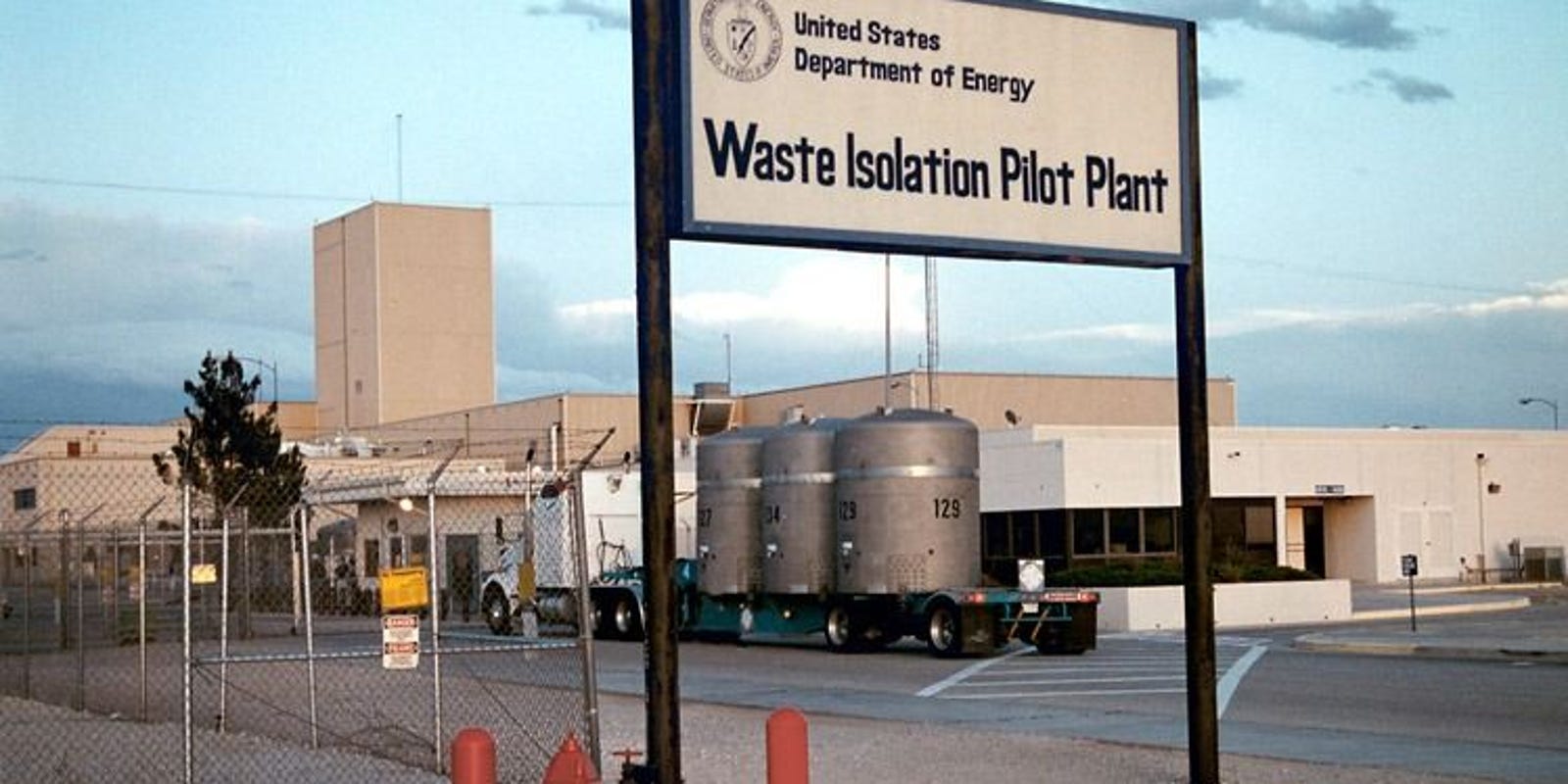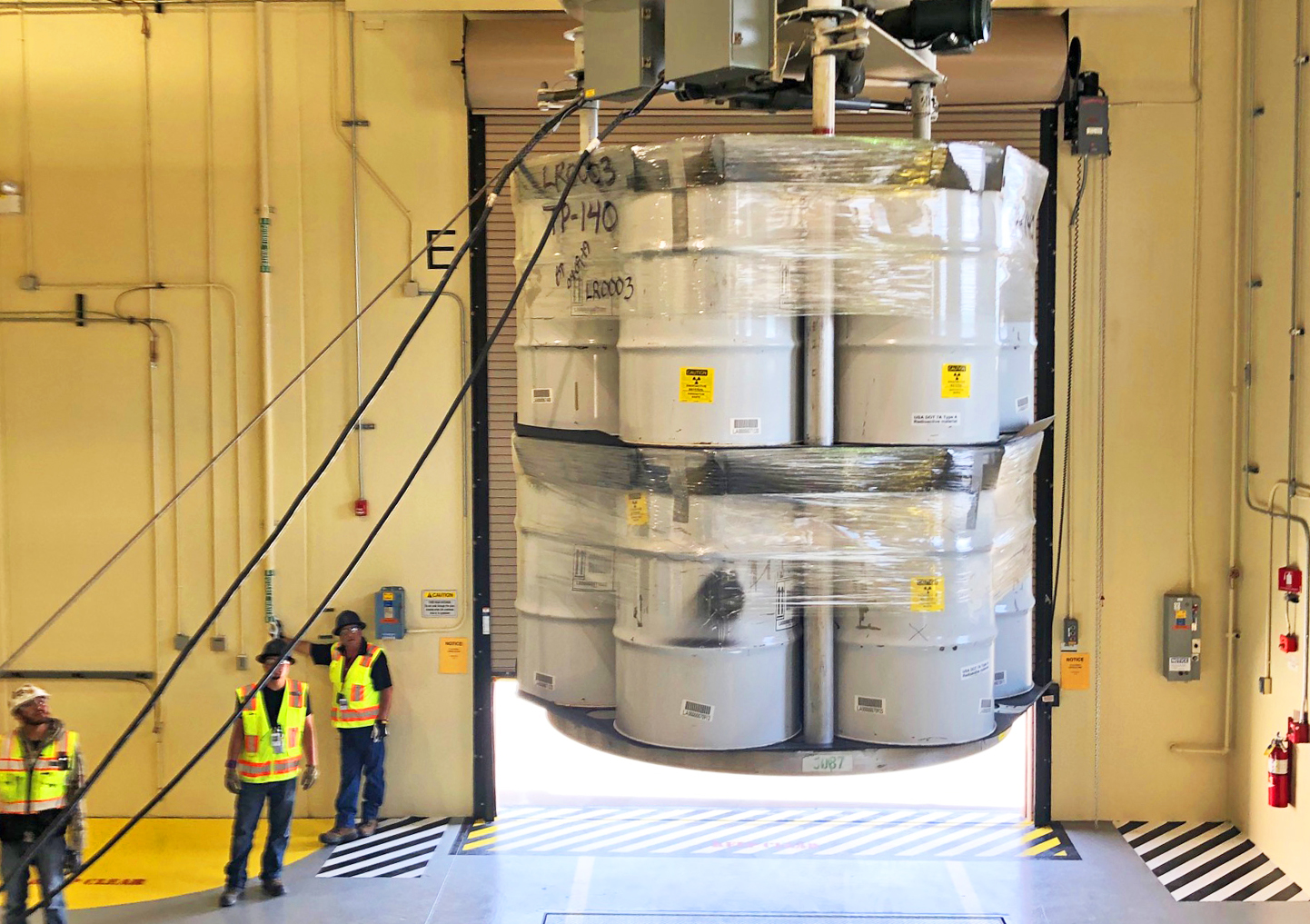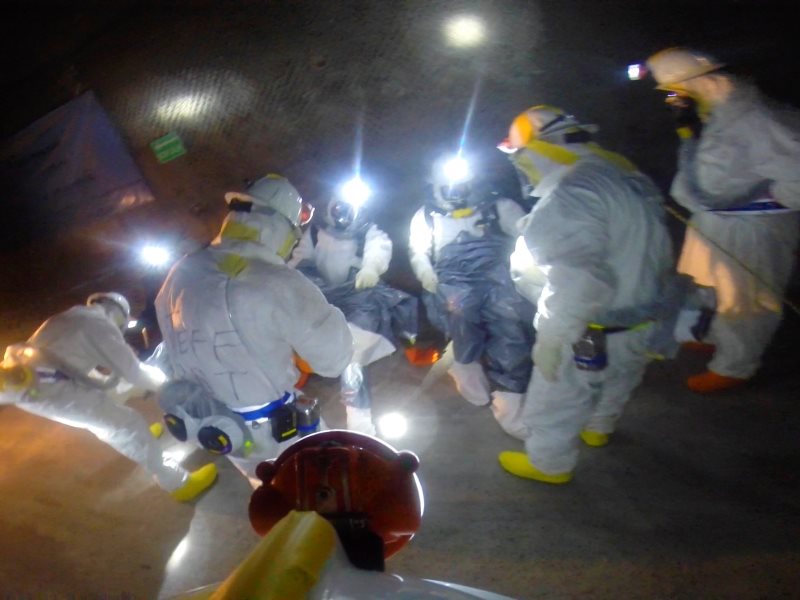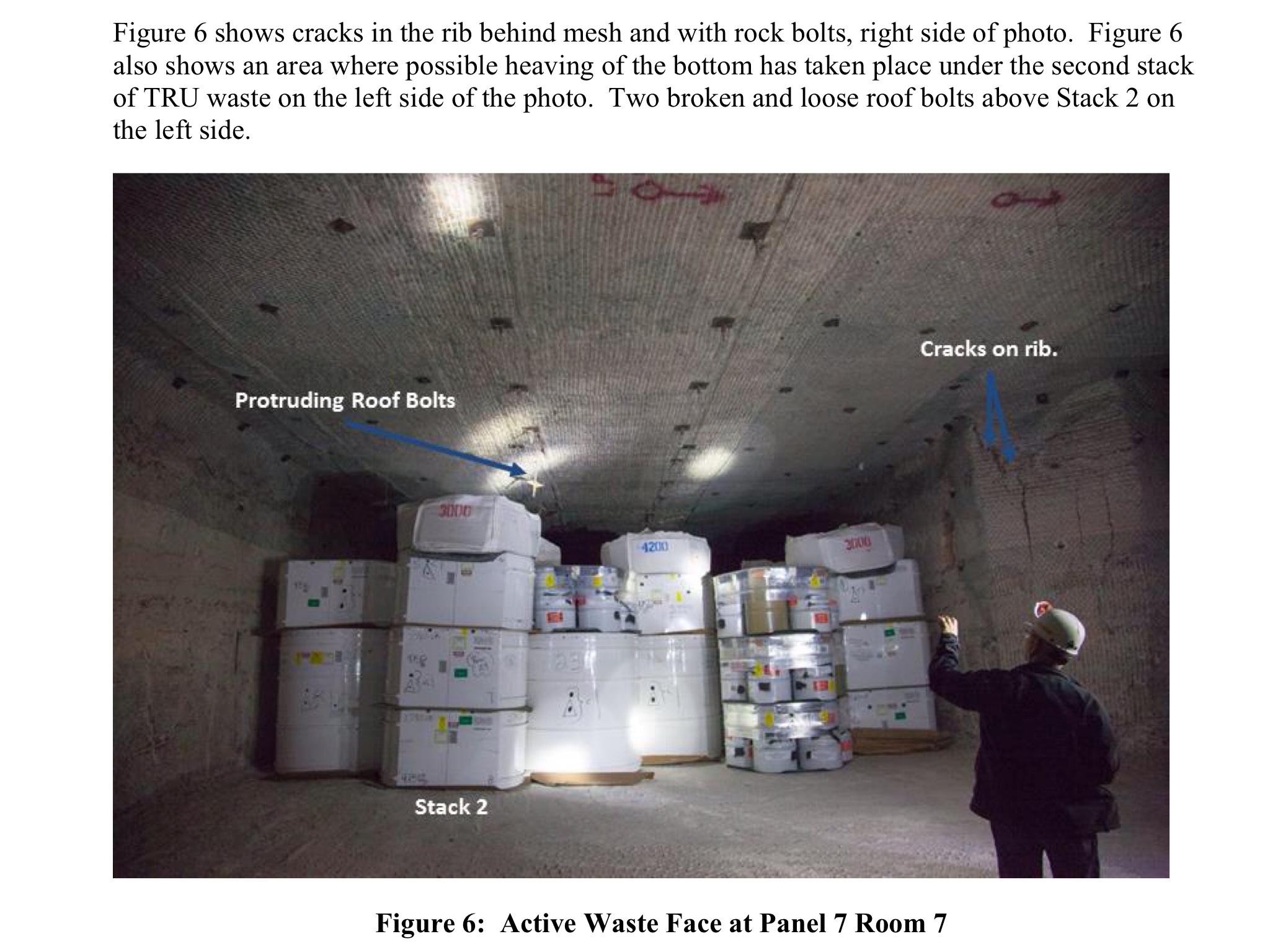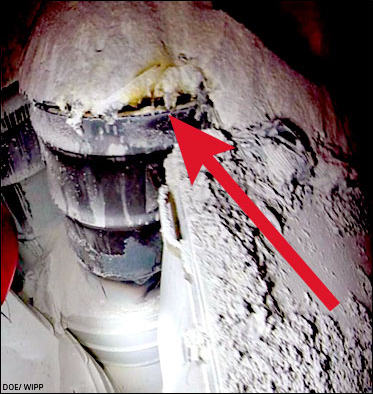

Seven years ago on Valentine’s Day, underground at WIPP, one or more drums of plutonium-contaminated waste, packaged and shipped by LANL, exploded, releasing radiation below and above ground.
Please send a valentine to
our Governor
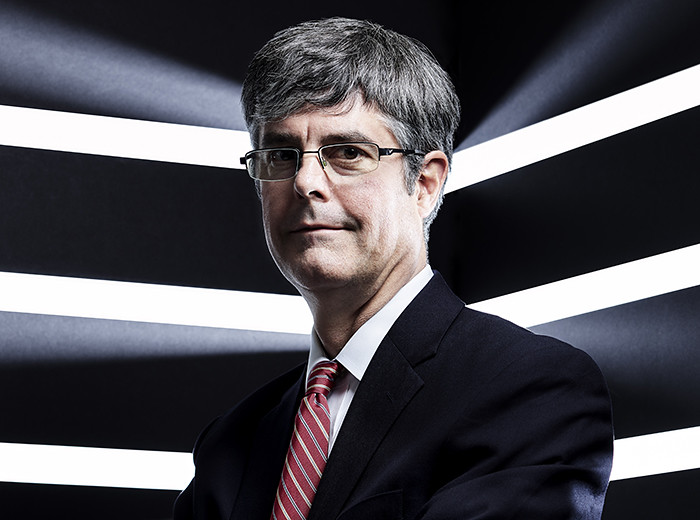
NM Environment Department Secretary James Kenney
and to our Federal Congressional Delegation
Let them know that you remain concerned
about safety and security at WIPP
and
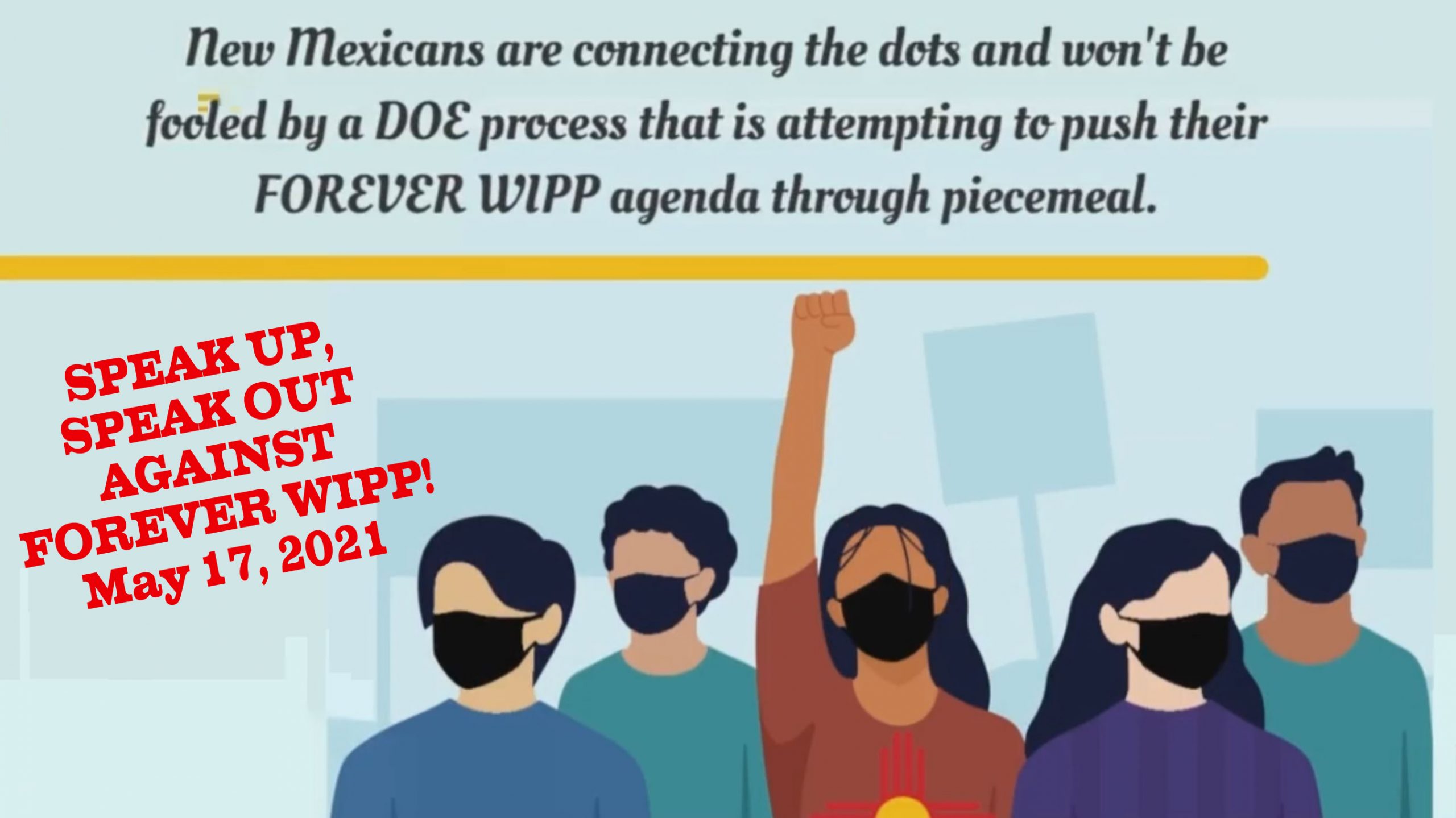
Ask them to STOP plans to expand WIPP
Urge them to publicly support the closure of WIPP in 2024 after 25 years of operations as promised by the DOE,and as required by the NM Environment Department’s Hazardous Waste Permit for WIPP.
Write your own text or copy this text into your email
LOVE NEW MEXICO
Don’t waste it!
STOP FOREVER WIPP
February 14 – Valentine’s Day
The 7th Anniversary of the Explosion at WIPP
Safety and security at WIPP remains a concern.
Please stop the plans to expand WIPP and keep waste coming for many decades.
Keep the promises for limits on WIPP.
Require other disposal sites.
Support the closure of WIPP in 2024 as required by the
New Mexico Environment Department’s WIPP Permit
Click on the picture to read the WIPP History & Timeline
Forward this Valentine to your Family and Friends
and post it on your Facebook page.
Ask them to send it out and love New Mexico too!
Stop Forever WIPP is a coalition opposing the expansion of WIPP and is a project of SRIC, a nonprofit 501(c)(3) organization. All donations are tax deductible.
Another step on a twisted journey will take place on Friday, February 26th, when the U.S. Supreme Court will consider CCNS’s Petition for Certiorari in a case challenging the issuance of a Clean Water Act discharge permit for a critical Los Alamos National Laboratory (LANL) facility. https://www.supremecourt.gov/search.aspx?filename=/docket/docketfiles/html/public/20-717.html In an unpublished decision, the Tenth Circuit Court of Appeals decided erroneously that CCNS did not have standing to challenge the permit. CCNS v. EPA (RLWTF) 200423 CA10 decisionFor that reason, CCNS filed a petition with the U.S. Supreme Court for review of the Tenth Circuit’s decision.
The critical LANL facility is the Radioactive Liquid Waste Treatment Facility, or RLWTF. It has operated since 1963. It treats radioactive and hazardous liquid wastes from key plutonium and tritium facilities across the LANL site. It discharged treated liquid wastewater into Effluent Canyon, which flowed into the upper reach of Mortandad Canyon and soaked into the ground.

But in November 2010, those discharges ended because LANL began to exclusively use an evaporator system to treat the liquids and release them as vapors into the air.
For a facility to obtain a Clean Water Act permit, a discharge of a pollutant into the environment is required. In an effort to prevent dual regulation by both the Clean Water Act and federal hazardous waste laws, if a facility has a Clean Water Act permit, it is granted an exemption from the hazardous waste laws. But because the RLWTF no longer discharges, it is no longer eligible for a Clean Water Act permit and must be regulated by the hazardous waste laws. But EPA did issue the permit. As a result, neither the Clean Water Act nor the hazardous waste laws regulate the RLWTF to the detriment of the People.
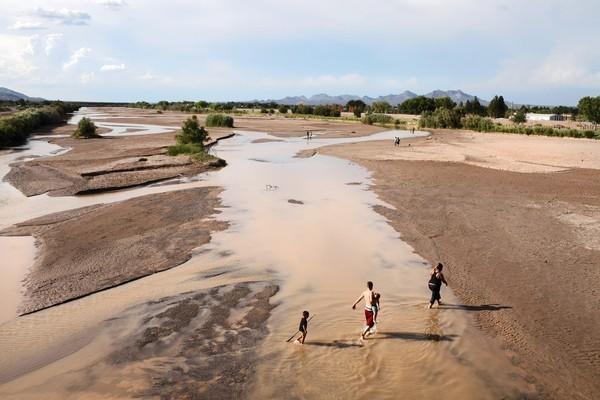
CCNS members submitted affidavits to the Tenth Circuit stating our fears that the lack of proper hazardous waste regulation means that we are deterred from visiting riparian areas near and downgradient from the RLWTF in the Rio Grande watershed.
The Tenth Circuit ruled that persons who live in and use lands downgradient from the RLWTF, and whose use and enjoyment of those areas are diminished by its noncompliance lack standing to question the unlicensed operations. The court added that CCNS must prove that the pollutants had reached the Rio Grande, a requirement not found in existing standing criteria. The Tenth Circuit’s decision is inconsistent with other decisions within the federal circuits. Thus, our appeal to the U.S. Supreme Court.
Please make a tax-deductible contribution to CCNS to support these efforts to hold the federal government accountable to enforce the laws.
Valentine’s Day – Sunday, February 14th: Seventh anniversary of the explosion in the WIPP underground of one or more drums of plutonium-contaminated waste packaged and shipped by LANL. Please contact Governor Michelle Lujan Grisham https://www.governor.state.nm.us/contact-the-governor/ , New Mexico Environment Department Secretary James Kenney james.kenney@state.nm.us , and your congressional members and tell them:
LOVE NEW MEXICO
Don’t waste it!
STOP FOREVER WIPP
~Safety and security at WIPP remains a concern.
~Please stop the plans to expand WIPP and keep waste coming for many decades.
~Keep the promises for limits on WIPP.
~Require other disposal sites.
~Support the closure of WIPP in 2024 as required by the New Mexico Environment Department’s WIPP Permit
Monday, February 15 at 10 am MST (Albuquerque) and 10 am CST (Mexico City) – Virtual Celebration with OPANAL (Organismo para la Proscripcion de Armas Nucleares en la America Latina y el Caribe) in the commemoration of the 54th anniversary of the Treaty of Tlatelolco.
Crash course for those unfamiliar with OPANAL and/or Tlatelolco (pronunced tuh-laa-tuh-laal-kuh): The Treaty for the Prohibition of Nuclear Weapons in Latin American and the Caribbean – known as the Treaty of Tlatelolco – is the legal instrument signed and ratified by all 33 countries of Latin America and the Caribbean. It prohibits: the testing, use, manufacture, production or acquisition by any means whatsoever of any nuclear weapons, directly or indirectly, within said region. The Treaty of Tlatelolco delineates its Zone of Application (Article 4); it creates and sets the structure, powers, and activities for the Agency (OPANAL) which oversees compliance with the obligations of the Contracting Parties (Articles 6, 7, 8, 9, 10, 11, 19, 22, and 23); it establishes a Control System, under OPANAL, and the International Atomic Energy Agency (Articles 12, 13, 14, 15, and 16).
Tuesday, February 16, 2021: Comments due to DOE about the Versatile Test Reactor, a fast neutron reactor with uranium and plutonium fuel, draft environmental impact statement. Sample public comments are available at http://nuclearactive.org/
Thursday, February 18th: Comments due to DOE about the scope of a forthcoming draft environmental impact statement for its plans to bring up to 48.2 metric tons of “surplus” plutonium to New Mexico for processing at LANL and disposal at WIPP. It is important for DOE to receive comments for New Mexicans. Sample public comments you can use available at http://nuclearactive.org/ on the right side of the page under the golden #STOPFVRWIPP logo.
Thursday, February 25th at 6:30 pm: WIPP Town Hall 700-C Fan Test Results. Please click HERE to register. After registering, you will receive a confirmation email from WIPP containing information about joining the Zoom meeting. Test results will be available on the 700-C restart webpage before the meeting.
This week’s Update will provide short highlights of a recent victory and information about Department of Energy (DOE) plans either to bring more than 34 metric tons of “surplus” plutonium to New Mexico or to use the plutonium in a proposed test reactor. These plans are open for public review and comment. And finally, DOE tested the 700-C fan at the Waste Isolation Pilot Plant (WIPP).
First, the victory: On Tuesday, January 26th, the Santa Fe County Board of County Commissioners unanimously passed a resolution requiring a new site-wide environmental impact statement, or SWEIS, for Los Alamos National Laboratory (LANL) before any proposed expansion of plutonium pit production there. Plutonium pits are the triggers for nuclear weapons. The last LANL SWEIS was completed in 2008.
At the same time, DOE has another plan for the same 34 Metric Tons of surplus plutonium, which is as fuel for its proposed three to six billion dollar Versatile Test Reactor, a fast neutron reactor at the Idaho National Laboratory.
DOE claims that it needs the test reactor for experimentation, but no support of that claim is found in the draft environmental impact statement. Normally, uranium is used as fuel. DOE wants to use both uranium and plutonium as fuel, which would increase the risk of operating such a reactor. The fuel would be fabricated at either the Idaho National Laboratory or at the Savannah River Site.
Finally, over this past weekend, DOE conducted a four-hour test of the aboveground 700-C fan at WIPP to determine what amount of radioactive particles would be released. The fan was shut off on February 14, 2014 when one or more drums of plutonium-contaminated waste exploded in the deep geologic disposal facility. DOE claims that using the fan increases airflow in the underground. But releasing contamination endangers workers on the surface. The $300 million New Filter Building that would bring uncontaminated airflow is delayed by contractor errors. Test results from the air sampling will be available soon. DOE will host a virtual public meeting to discuss them in about two weeks. https://www.energy.gov/em/articles/wipp-completes-initial-test-restarting-700-c-ventilation-fan-0
Sunday, February 14, 2021: Seventh anniversary of the explosion in the WIPP underground of one or more drums of plutonium-contaminated waste packaged and shipped by LANL. Please contact your congressional and state representatives and let them know that you remain concerned about safety and security at WIPP. Urge them to publicly support the closure of WIPP in 2024 after 25 years of operations as promised by the DOE, and, as required by the NM Environment Department’s Hazardous Waste Permit.
Tuesday, February 16, 2021:Comments due to DOE about the Versatile Test Reactor, a fast neutron reactor with uranium and plutonium fuel, draft environmental impact statement. Sample public comments are available at http://nuclearactive.org/
Thursday, February 18, 2021: Comments due to DOE about the scope of a forthcoming draft environmental impact statement for its plans to bring up to 48.2 metric tons of “surplus” plutonium to New Mexico for processing at LANL and disposal at WIPP. It is important for DOE to receive comments for New Mexicans. Sample public comments you can use available at http://nuclearactive.org/ on the right side of the page under the golden #STOPFVRWIPP logo.
NOW is the time for New Mexicans to be heard. The Department of Energy (DOE) wants to dispose 34 metric tons of so-called “surplus plutonium” at the Waste Isolation Pilot Plant (WIPP) in New Mexico. Accepting this pure or diluted, plutonium would violate the WIPP operating end date, as well as waste type and waste volume limitations. It would also increase transportation and transportation risks.
We can stop DOE from sending this new waste to WIPP and turning our state into the nation’s nuclear dumping ground. We have a window of opportunity right now and your actions are critical to protecting our property, health and lives.
What’s this opportunity?
We are in the first stage of the public process under the National Environmental Policy Act (NEPA) which requires an Environmental Impact Statement (EIS) to be prepared to evaluate alternatives for the “disposition of plutonium surplus to the defense needs of the United States.” Right now the public can comment on what should be covered in this EIS, if the alternatives in the EIS are adequate, and if the public process so far has been adequate, fair & inclusive. These are called scoping comments. However, this comment period ends on Monday, February 1, 2021.
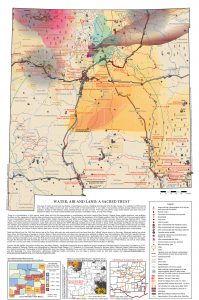
Click on the map to see an animated video about DOE’s broken promises
DOE’s preferred alternative is the “dilute & dispose” alternative that would transport 34 metric tons of plutonium back and forth across the country before disposing it in WIPP. Even DOE’s “no action” alternative includes dilution of 7.1 MT of plutonium and disposal in WIPP.
Transportation risks
DOE’s plans would put people in New Mexico and many other states at risk, increasing accident and plutonium release risks. Such a release would be devastating. Much of this surplus plutonium is stored in Texas. It must be transported first to Los Alamos to be oxidized and then to South Carolina to be diluted before being shipped back to WIPP in New Mexico.
Click on the map to see an animated video on transportation risks & more
Even during normal operations, increased transportation will lead to increased exposures to workers and the public. Radiation is not fully contained by the shipping casks, irradiating anyone close by—especially the WIPP drivers and employees at truck & rest stops, who are irradiated over and over again.
Some points you may want to make
in your comments about the EIS
There should be an alternative that does not end up with any of this waste coming to WIPP.
Risk assessments and effects studies need to be done for each alternative both for the sites and especially along the shipping routes.
The EIS must explain why DOE wants to break the social contract agreements it made with New Mexico that included other disposal sites.
Click here for a short & simple sample comment email
Click here for a longer, more detailed sample comment email
Click here for a WIPP timeline and summary of WIPP history
Tell your senators, representatives, and the Governor to oppose DOE’s proposal to bring 34 metric tons or more of diluted surplus plutonium to WIPP.
Also ask for a more inclusive public process, especially for those who need information in Spanish or other languages, and for those who have poor or no online access.
Donate by check to
Southwest Research and Information Center
P.O. Box 4524
Albuquerque, New Mexico 87196-4524
Make the check out to SRIC and put Stop Forever WIPP in the memo line
Stop Forever WIPP is a coalition opposing the expansion of WIPP and is a project of SRIC, a nonprofit 501(c)(3) organization. All donations are tax deductible.
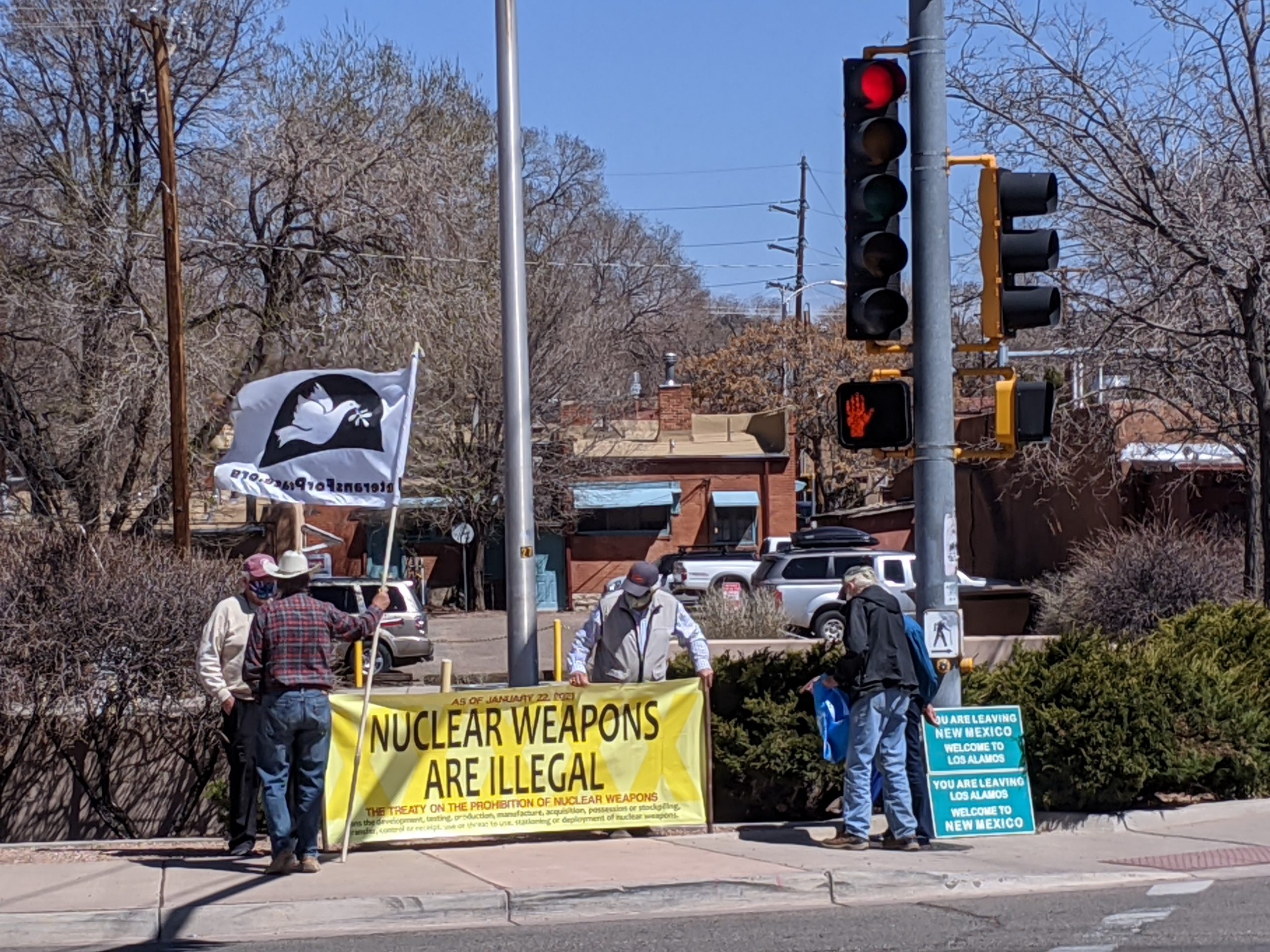
Joni Arends, of CCNS, (L) and Santa Fe County Commissioner Anna Hansen (R) holding the Entry into Force banner at the corner of St. Francis Drive and Cerrillos Road, Santa Fe, NM. Jan. 21, 2021.
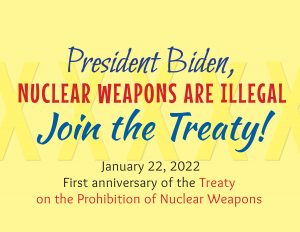
Celebrating the entry into force of the United Nations’ Treaty on the Prohibition of Nuclear Weapons on Friday, January 22nd, the Santa Fe Veterans for Peace invited people to join them in an extended Friday noon vigil.
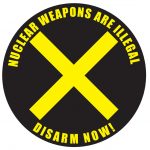
In Santa Fe, at the corner of St. Francis Drive and Cerrillos Road, under a bright winter sun, members of Veterans for Peace held white peace flags that fluttered in the stiff wind, and their light blue, frame-supported banner said, “Nuclear Weapons are Illegal” in black lettering. Nuclear Watch New Mexico and Concerned Citizens for Nuclear Safety held bright yellow 8-foot banners with the same large black lettering. Across the bottom of all the banners was written, “The Treaty on the Prohibition of Nuclear Weapons Is Now Law.” Cars at the intersection honked in support of the message that was displayed by about twenty individuals.
After the hour-long Santa Fe vigil, almost everyone drove to Ashley Pond Park in Los Alamos and stood for a second hour-long vigil on the sidewalks along Trinity Drive.
As the hour came to a close, the group circled around to reflect on the day’s significance. Mateo Peixinho, of Chimayo, acknowledged that Los Alamos is built on Pueblo de San Ildefonso lands. He reported that he’d just learned that this day, January 22nd, is the Pueblo’s Feast Day, an auspicious day for the celebration of the Treaty’s entry into force.
Jay Coghlan, of Nuclear Watch New Mexico, shared words from his inspiring op ed: “The U.S. was among the last major countries to abolish slavery but did so in the end. To modify Martin Luther King, Jr.’s famous quote, ‘The arc of the moral universe is long, but it bends towards [the] justice’ of abolishing nuclear weapons. This ban treaty is the beginning of that end and should be celebrated as such.” https://nukewatch.org/
Ken Mayers, of Veterans for Peace, added this observation. “In New York City, activists used high-powered projection lights to illuminate the side of the UN building with a powerful message about nukes for the occasion: ‘Always immoral; Now illegal.’ ’’
Friday, January 22nd was intense, offering a local perspective and a chance to appear in person, at the end of a remarkable January week. Monday was filled with the sights and sounds of commemorative programs honoring Dr. Martin Luther King, Jr. On Tuesday, at the reflecting pool in Washington, D.C., President-elect Joe Biden presided over a prayer vigil for the 400,000 lives lost so far in the pandemic. Wednesday, Inauguration Day, brought the focus to plans for the future and the potential to begin anew across the country.
The local demonstrations in support of the Treaty brought home in an immediate way—with live human beings, neighbor-to-neighbor, properly masked and distanced–the possibility of curtailing the world’s reliance on nuclear weapons.
Basia Miller, a CCNS Board member, reflected by saying, “On this sunny day, we joined together also to celebrate the devoted efforts of the thousands of people in the 86 signatory countries and around the world who worked so long to make this United Nations Treaty a reality.” BASIA’S 1-16-21 MY VIEW
Did You Know about the upcoming public comment opportunity, a CodePink event and interesting articles?
Monday, Feb. 1, 2021: Comments due to DOE about the scope of a forthcoming draft environmental impact statement for its plans to bring up to 48.2 metric tons of “surplus” plutonium to New Mexico for processing at LANL and disposal at WIPP. It is important for DOE to receive comments for New Mexicans. Sample public comments you can use available at http://nuclearactive.org/ on the right side of the page under the golden #STOPFVRWIPP logo.
Tuesday, Feb. 2, 2021 from 3 – 4 pm MST – CodePink webinar The True Cost of Nuclear Weapons with Beata Tsosie-Peña of Tewa Women United; Joni Arends of CCNS; and Trisha T. Pritikin, Author of The Hanford Plaintiffs. To register for the event, go to https://www.codepink.org/02022021
“This is your COVID wake-up call: It is 100 seconds to midnight,” 2021 Doomsday Clock Announcement on January 27, 2021, at https://thebulletin.org/doomsday-clock/
The big day is here! Today, nuclear weapons become illegal under international law: the UN Treaty on the Prohibitions of Nuclear Weapons – or #nuclearban treaty – is entering into force. Join the celebrations all around the world: icanw.org/entryintoforce
The Department of Energy (DOE) will hold two four-hour virtual public meetings on Monday, January 25th and Tuesday, January 26th about its plans to dilute and dispose of up to 48.2 metric tons of radioactive surplus plutonium at the deep geologic Waste Isolation Pilot Plant (WIPP), located in southeastern New Mexico. DOE is seeking public comments about the scope of a new draft environment impact statement that will examine the DOE’s preferred alternative to dilute and dispose of the plutonium and any alternatives.https://www.energy.gov/nepa/downloads/doeeis-0549-notice-intent For more information, check out the Action Alerts prepared by the Stop Forever WIPP Coalition, of which CCNS is a part. http://nuclearactive.org/doe-breaks-its-promises-to-new-mexico-part-i/ and http://nuclearactive.org/doe-breaks-its-promises-to-new-mexico-part-2/
The Monday, January 25th public meeting will occur from 3 to 7 pm Mountain Standard Time. The Tuesday, January 26th meeting will occur from 5 to 9 pm Mountain Standard Time. You can participate by telephone, computer or other device. For connection information, links to the meeting presentation and fact sheets in both English and Spanish, and information about where to submit your comments, please visit https://www.energy.gov/nnsa/nnsa-nepa-reading-room, scroll down and click on Virtual Public Scoping Meetings for the Surplus Plutonium Disposition Program Environmental Impact Statement. As of this posting, the meeting presentation and fact sheets in English and Spanish are not available on the website….
Surplus plutonium is found in the form of pits, or the triggers for nuclear weapons. Another source is non-pit plutonium. Both must be converted to plutonium oxide, which is then blended with an unknown adulterant called “stardust.” The oxidation work would be done at the Los Alamos National Laboratory (LANL). Conversion and blending is required for the plutonium to meet the waste acceptance criteria at WIPP.
Over the last 25 years, several U.S. Presidents have designated more than 62 metric tons, or about 69 tons, of plutonium as surplus. Previously, DOE has proposed immobilizing it for disposal in a geologic repository other than WIPP and fabricating it into fuel for nuclear power plants. Another option is to continue to store it at the Pantex Plant in Texas, or the Savannah River Site in South Carolina.
DOE has also proposed building new facilities at the Savannah River Site, including a plutonium pit disassembly and conversion facility; a mixed-oxide fuel fabrication facility; and a waste solidification building. Billions of taxpayer dollars have been spent, but none of those facilities is in operation.
Did You Know about these COVID-safe (wear a mask), socially distant, peaceful and non-violent vigils to Celebrate the Entry into Force of the Nuclear Weapons Ban Treaty on Friday, January 22nd?
In Albuquerque, from 11 am to 1 pm MST, across the street from the National Museum of Nuclear Science and History in the empty lot on Eubank Blvd. SE between La Entrada and Southern Blvd. SE. Organized by the Nuclear Issues Study Group (NISG). For more information and to view the livestreaming for those who cannot attend in person, please visit https://www.facebook.com/events/108487254449335
In Santa Fe, from noon to 1 pm MST: CCNS, with Veterans for Peace and others, will vigil with our banners declaring that nuclear weapons are now illegal on the corner of St. Francis Drive and Cerrillos Road.
In Los Alamos at Ashley Pond, from 2 to 3 pm MST: CCNS, with Veterans for Peace and others, will vigil with our banners declaring that nuclear weapons are now illegal.
International Campaign to Abolish Nuclear Weapons (ICAN) virtual celebration event at 8 pm MST. ICAN will go live from Geneva at 8:00 pm MST/ 21:00 CET Friday 22 January. Please invite all your friends, colleagues, and networks to sign up here: https://www.icanw.org/studio_2221
Please plan to join us in the celebrations that so many of us have been working for decades to achieve!CCNS is grateful for each and every one of you!!!
The Treaty on the Prohibition of Nuclear Weapons (TPNW or Nuclear Ban Treaty) enters into force in its 50 ratifying countries on 1/22/21. This is happy news, but what does this mean, exactly? What can we do to help eliminate nuclear weapons before they eliminate us? (This is the second edition of this short video. It has been edited for even greater clarity and accuracy — which made it a bit longer. Now 2 minutes) https://www.youtube.com/watch?v=Px-4RsKGE_A&feature=youtu.be
Did You Know about these Treaty Resources?
And here’s a list of other resources, opportunities to sign-on statements, and livestream events:
DOE is breaking the promises it made to New Mexico in exchange for the state’s agreement to allow permanent disposal of some of the nation’s nuclear weapons’ waste con-taminated with plutonium or other transuranics.
Transuranic radioactive waste is produced during nuclear weapons research and production and includes the equipment used during the process.
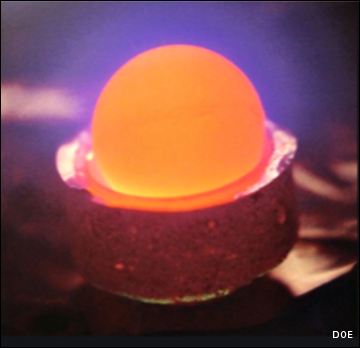
The Waste Isolation Pilot Plant (WIPP), where this waste is being buried, is limited to accepting only 6.2 million cubic feet of waste and only waste contaminated with transuranic waste, not pure plutonium itself (surplus plutonium – surplus plutonium containers are shown above). DOE promised to build other repositories for the waste and the state permit provides that waste disposal must end in 2024.
DOE’s planned changes break all of these promises.
Since WIPP began, everyone knew that its capacity was too small for all of the transuranic-contaminated waste existing even at that time. That’s one reason DOE pledged to create additional repositories.
Click on this image to see a YouTube video of this information
DOE’s Failures
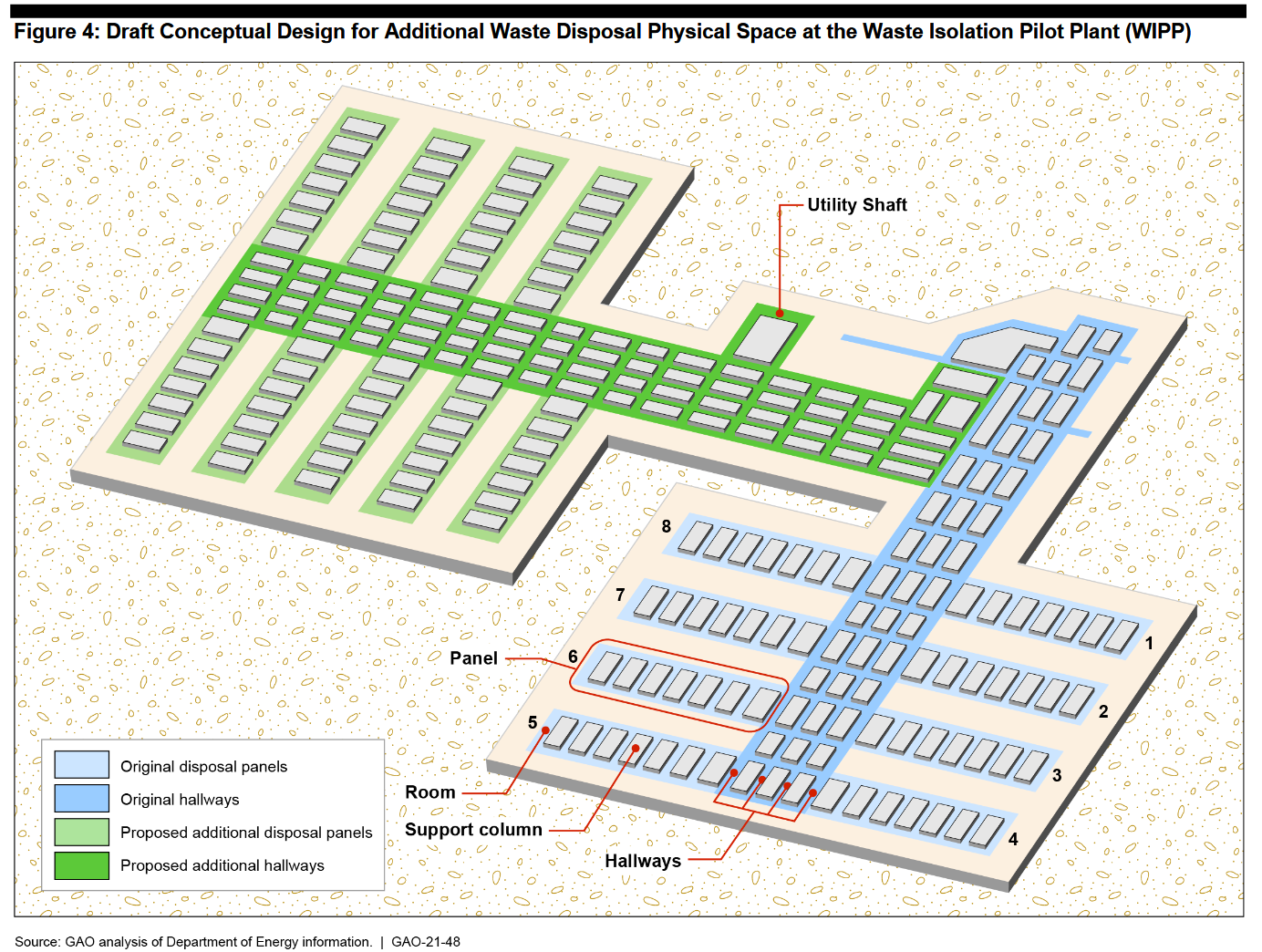
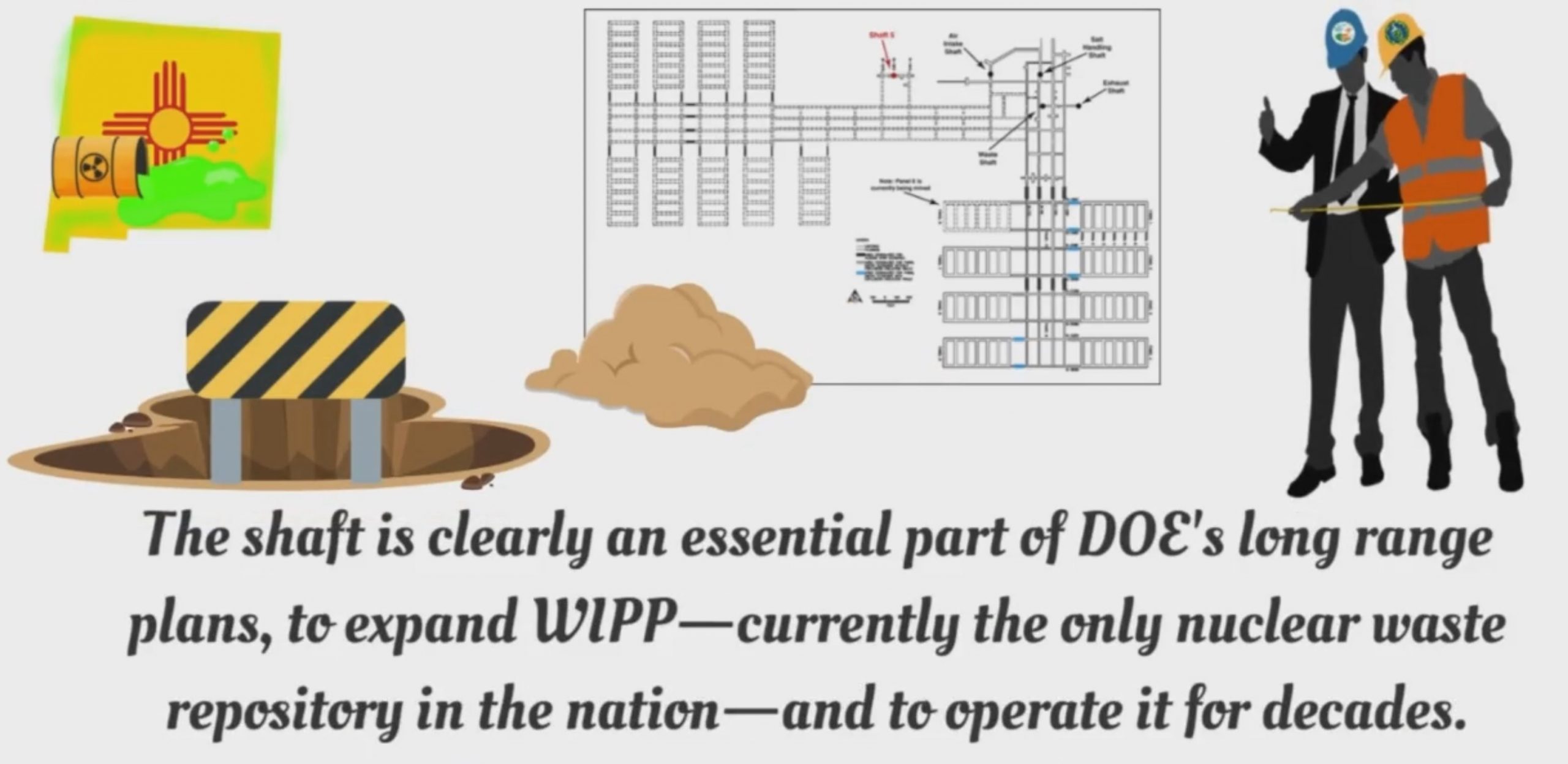
It was DOE’s responsibility to identify sites in other states, and construct additional repositories – a responsibility that DOE failed to meet, as these sites were never sought and never built. New Mexico has been left as the only repository, an option the State clearly rejected in the 1980s. DOE has no plans for any other repositories and now wants to bring additional surplus plutonium to WIPP in amounts that would require WIPP to expand and operate, essentially, forever.
Increasing the kinds of waste and the volume of waste disposed in WIPP as DOE’s surplus plutonium plans would do, will also increase the risk from the project both in the area around WIPP and to people on the transportation routes. WIPP has failed before when it released radioactive contamination in 2014. How would another release from the site or along the routes affect our traditional ranching, dairy, recreational, oil & gas, and other economies?
There are more than 500 oil & gas wells within 2.5 miles of WIPP
We were promised that the risk to our state would be limited by limiting the volume of waste, the types of waste and the time that WIPP would operate. Why should DOE be allowed to break that promise now?
Click here for a short & simple sample comment email
Click here for a longer, more detailed sample comment email
Click here for a WIPP timeline and summary of WIPP history
Tell your senators, representatives, and the Governor to oppose DOE’s proposal to bring 34 metric tons or more of diluted surplus plutonium to WIPP.
Also ask for a more inclusive public process, especially for those who need information in Spanish or other languages, and for those who have poor or no online access.
Donate by check to
Southwest Research and Information Center
P.O. Box 4524
Albuquerque, New Mexico 87196-4524
Make the check out to SRIC and put Stop Forever WIPP in the memo line
Stop Forever WIPP is a coalition opposing the expansion of WIPP and is a project of SRIC, a nonprofit 501(c)(3) organization. All donations are tax deductible.
The Treaty was approved in July 2017 by 122 Nation States. On October 24th, 2020, Honduras was the fiftieth Nation State to sign and ratify it, which meant the Treaty would enter into force ninety days later, on January 22nd.
Article 9, on Costs, says that costs of meetings shall be borne by States Parties. Costs for the required verification measures, for the destruction of nuclear weapons and for the elimination of nuclear-weapons programs, including “the elimination or conversion of all nuclear-weapons-related facilities” will be borne by the applicable States Parties.
Article 12, titled Universality, asks each State Party to encourage States not party to the Treaty to sign, ratify and accept it, with the goal of universal adherence of all States.
Finally, Article 17 considers the duration of membership. Paragraph One says, “This Treaty shall be of unlimited duration,” while Paragraphs Two and Three provide for orderly withdrawal if a State Party “decides that extraordinary events … have jeopardized the supreme interests of its country.”
Joni Arends, of CCNS, says, “The Treaty makes it possible for Americans to get out from under the heavy thumb of the nuclear weapons industry. We celebrate the Treaty’s entry into force and all the people who’ve worked toward this historical moment. We will continue our work to ensure the United States of America steps up, signs and ratifies the Treaty.”
This concludes our four-part series on the United Nations’ Nuclear Weapons Ban Treaty. To celebrate the Treaty’s entry into force locally, please join us at the corner of St. Francis Drive and Cerrillos Road at noon on Friday, January 22nd to hold bright yellow banners declaring nuclear weapons are now illegal.
At 1 pm, people will travel from there to Ashley Pond in Los Alamos to extend the celebration. Join us there.
Did You Know about these Resources to Celebrate the Entry into Force of the Nuclear Weapons Ban Treaty?
CCNS, with Veterans for Peace and others, will be on the corner of St. Francis Drive and Cerrillos Road on Friday, January 22nd from noon to 1 pm with our banners declaring nuclear weapons are now illegal. At 1 pm we’ll be journeying to Ashley Pond in Los Alamos. Please plan to join us in the celebrations that so many of us have been working for decades to achieve!CCNS is grateful for each and every one of you!!!
And here’s a list of other resources, opportunities to sign-on statements, and livestream events:
Faith Communities Concerned about Nuclear Weapons has a sign-on Joint Interfaith Statement on the Entry into Force of the Treaty on the Prohibition of Nuclear Weapons. To endorse the statement, fill out the endorsement form by Wednesday, Jan. 20 at 9 am PDT at https://forms.gle/kG6sAEvYXAiYQ2mJ8
DOE plans to dump the Nation’s nuclear weapons’ waste at WIPP The Department of Energy (DOE) will soon publish a Draft Environmental Impact Statement (DEIS) to allow disposal of 34 metric tons of so-called “surplus plutonium” at the Waste Isolation Pilot Plant (WIPP) in New Mexico. (Surplus plutonium is pure or diluted, pure plutonium.)
The National Academy of Sciences (NAS) has stated that WIPP’s legal capacity would be exceeded by bringing that surplus plutonium to WIPP. This would break the social contract between DOE and New Mexico—promises the State wanted before agreeing to accept WIPP. The NAS had concerns about the violation of this social contract as well as about other obstacles to bringing so much surplus plutonium to WIPP.
The social contract is based on these three promises:
To accept no more than 6.2 million cubic feet of waste
To take only transuranic waste, not pure or somewhat diluted, plutonium (Plutonium is a transuranic element—a man-made element that is heavier than uranium.)
To build other repositories so New Mexico would not be the sole state burdened with the permanent disposal of all of the nation’s nuclear weapons’ waste
DOE’s planned changes break all of these promises.
Even U.S. Senator, Pete Domenici, a strong proponent of WIPP from its beginning, never wanted surplus plutonium waste to be buried at WIPP. In 2002 he said, “I want to ensure that high level … wastes can never be simply diluted in order to comply with criteria for WIPP disposal … [Such dilution] raises serious questions about our adherence to the same international controls on weapon-related materials that we expect other nations to follow.” Yet this is exactly what DOE is doing now in 2021.
Click here for a short & simple sample comment email
Click here for a longer, more detailed sample comment email
Click here for a WIPP timeline and summary of WIPP history
Tell your senators, representatives, and the Governor to oppose DOE’s proposal to bring 34 metric tons or more of diluted surplus plutonium to WIPP.
Also ask for a more inclusive public process, especially for those who need information in Spanish or other languages, and for those who have poor or no online access.
Donate by check to Southwest Research and Information Center P.O. Box 4524 Albuquerque, New Mexico 87196-4524 Make the check out to SRIC and put Stop Forever WIPP in the memo line
Stop Forever WIPP is a coalition opposing the expansion of WIPP and is a project of SRIC, a nonprofit 501(c)(3) organization. All donations are tax deductible.