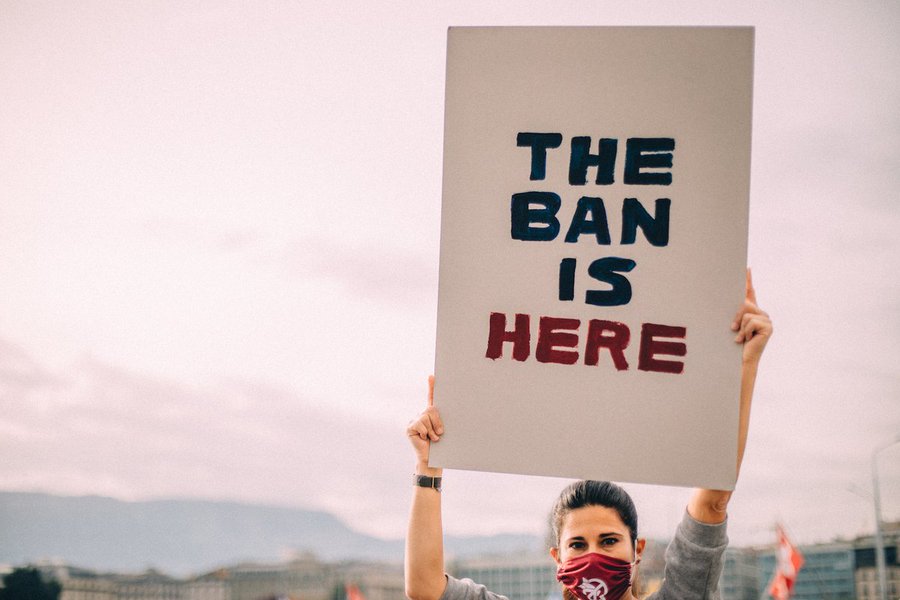
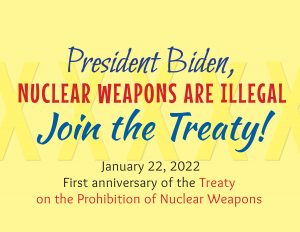
January 22, 2021 will be a historic day for nuclear weapons. The United Nations’ Nuclear Weapons Ban Treaty will enter into force, establishing in international law a categorical ban on nuclear weapons 75 years after their development and first use. https://www.un.org/disarmament/wmd/nuclear/tpnw/
The CCNS Update will focus on the Treaty today and for the next three weeks. We’ll explore the timeline of the development of the Treaty over the past 75 years and explain how Treaty ratification will advance the movement toward future elimination of nuclear weapons in the United States. Each week we hope to include some language from the Treaty itself.
We begin by asking, What events needed to occur before the Treaty could enter into force? To answer this, we use the Oak Ridge Environmental Peace Alliance fact sheet, which says, in part: The Treaty was approved at the UN in July 2017 by 122 nation states. According to the Treaty terms, 50 nation states had to sign and ratify it before it would enter into force. Entry into force would automatically happen 90 days after the 50th ratification was deposited at the UN. On October 24th, 2020, Honduras became the 50th nation to deposit its ratification at the UN. As of November 1, 2020, 84 nation states had signed the Treaty. https://orepa.org/nuclear-ban-treaty-entry-into-force-resources/
The Nuclear Weapons Ban Treaty, also known as the UN Treaty on the Prohibition of Nuclear Weapons, itself is composed of 20 official Articles covering ten pages. Today we’ll summarize the six paragraphs of Article 4, entitled, “Towards the total elimination of nuclear weapons.”
Paragraph 1 outlines a procedure for nations that at one time had nuclear weapons. They “shall cooperate with the competent international authority … for the purpose of verifying the irreversible elimination of its nuclear-weapon programme.”
Paragraph 2 addresses nations that possess nuclear weapons and provides for a plan to be “negotiated with the competent international authority … for approval.”
Paragraph 3 stipulates that after negotiations, a safeguards agreement will be concluded with the International Atomic Energy Agency, to assure that nuclear materials will not be diverted in any way.
Paragraph 4 asks that each nation that “has any nuclear weapons … shall ensure the prompt removal of such weapons, as soon as possible but not later than a deadline to be determined by the … States Parties.”
Paragraph 5 provides for regular reporting.
Paragraph 6 asks the competent international authority to verify the irreversible elimination of nuclear weapons programmes.
We will continue our presentation of the Nuclear Weapons Ban Treaty in the coming weeks. A copy of the Treaty is available at the International Campaign to Abolish Nuclear Weapons website. https://www.icanw.org/the_treaty
That the CARES Act, which went into effect this spring, established a new above-the-line deduction for charitable giving? Individuals may write off up to $300 ($600 for couples) in cash donations to non-governmental organizations, such as CCNS, when filing your 2020 income tax return? You can make an electronic donation at http://nuclearactive.org/ or mail your check to: CCNS, PO Box 31147, Santa Fe, NM 87594.
CCNS will put your donation to work right away as we continue our educational series about the Nuclear Weapons Ban Treaty and organizing local January 22, 2021 entry into force events.
Mark Your Calendar: Friday, January 22nd – The United Nations’ Nuclear Weapons Ban Treaty, or the Treaty on the Prohibition of Nuclear Weapons, goes into effect.
Sign up to receive emails about the work of the Nobel Peace Prize winner, the International Campaign to Abolish Nuclear Weapons (ICAN) at https://www.icanw.org/
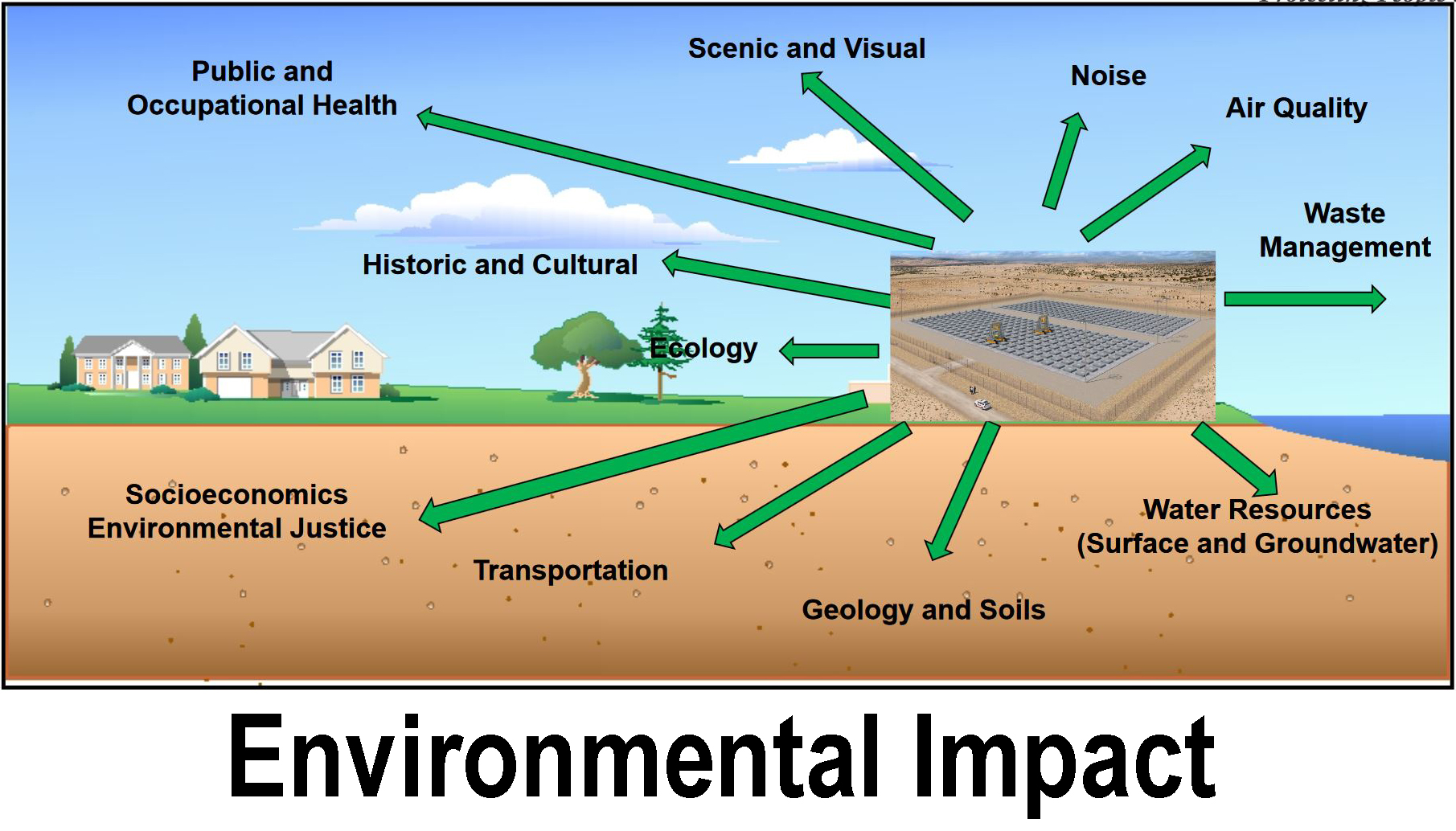
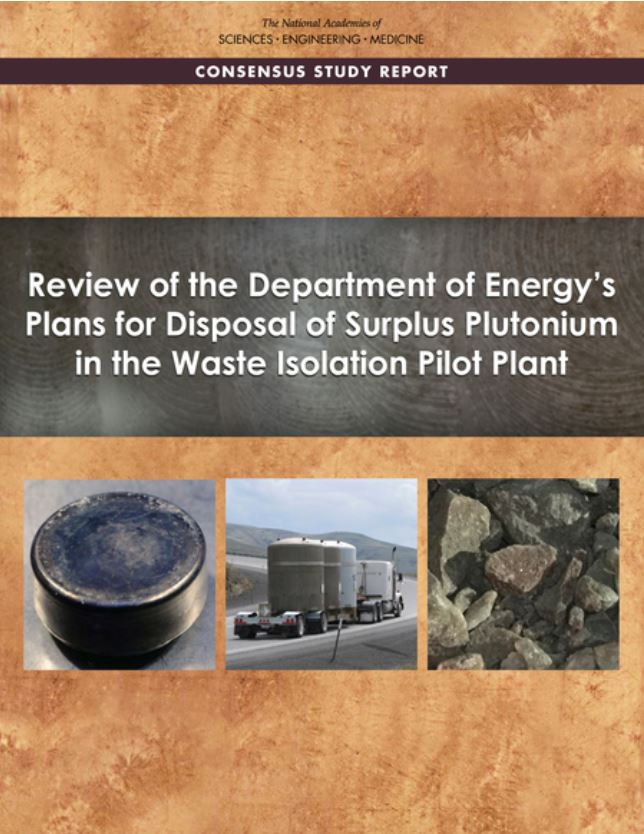
The Department of Energy (DOE) published a notice about its plans to prepare an environmental impact statement for the disposal of 34 metric tons of radioactive surplus plutonium at the deep geologic Waste Isolation Pilot Plant (WIPP), located in southeastern New Mexico. DOE NOI Surplus Pu EIS FedReg 121620
Over the last 25 years, several U.S. Presidents have designated more than 62 metric tons, or about 69 tons, of plutonium as surplus. Previously, DOE has proposed immobilizing it for disposal in a geologic repository other than WIPP and fabricating it into fuel for nuclear power plants. Another option is to continue to store it at the Pantex Plant in Texas, or the Savannah River Site in South Carolina.
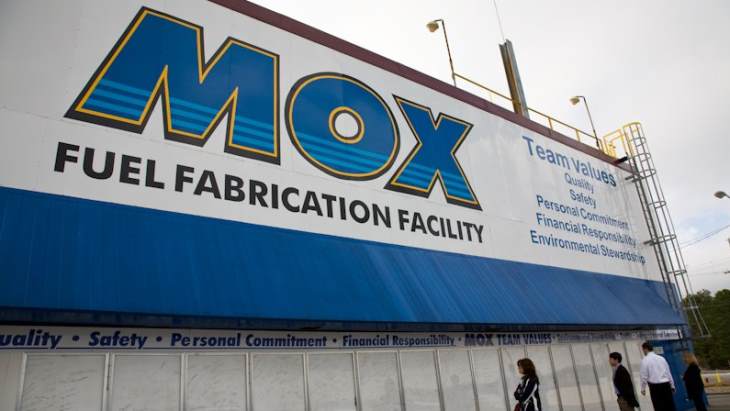
DOE has also proposed building new facilities at the Savannah River Site, including a plutonium pit disassembly and conversion facility; a mixed-oxide fuel fabrication facility; and a waste solidification building. Billions of dollars have been spent, but none of those facilities is in operation. https://srswatch.org/
To begin a new environmental impact statement process, DOE asks the public to comment about what the scope of the statement should be. The scope will necessarily include alternative proposals, including a no action alternative.
A virtual public meeting will be held in January. Written scoping comments are due to DOE by February 1, 2021. CCNS will post sample public comments on our website after the first of the year.
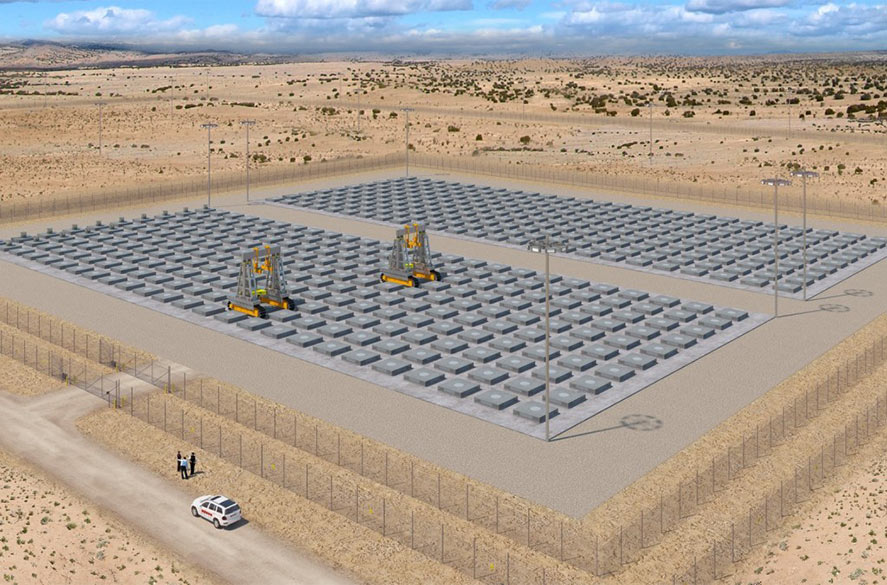
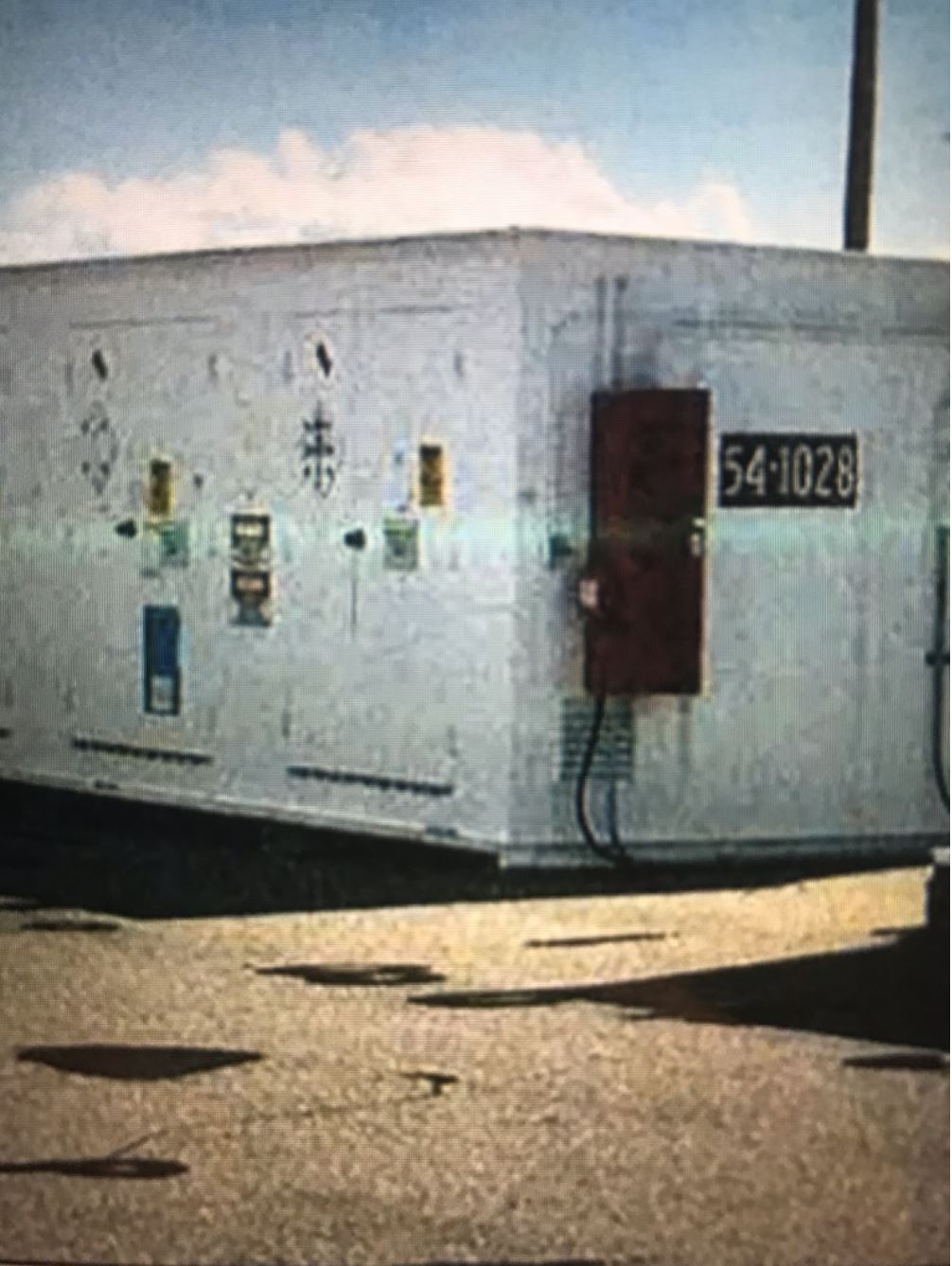
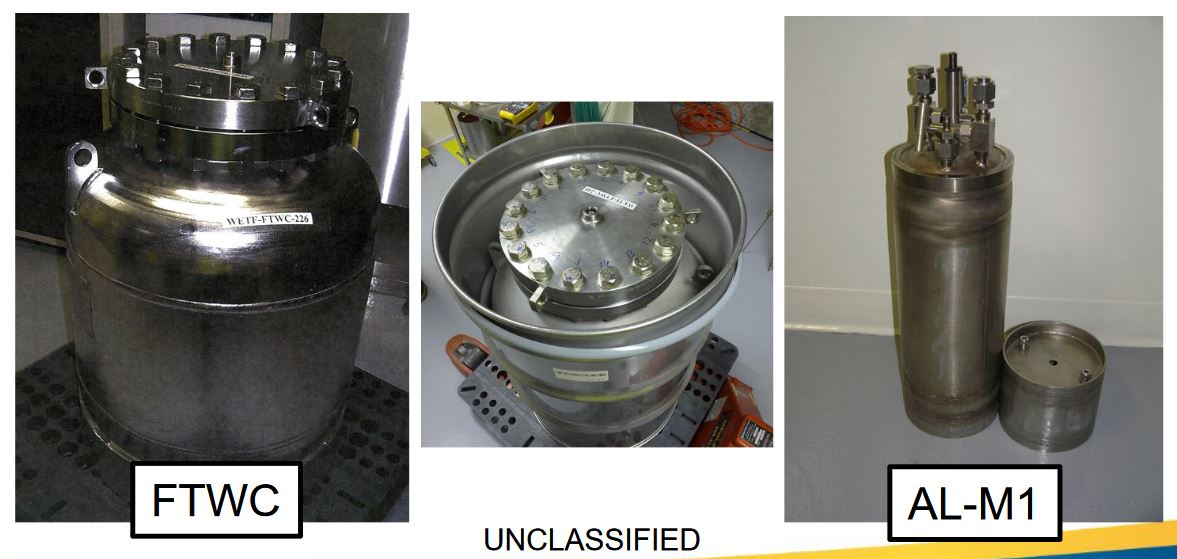
In other news, Los Alamos National Laboratory (LANL) announced that it would postpone venting over 100,000 Curies of radioactive tritium from four Flanged Tritium Waste Containers, or FTWCs, until spring or summer 2021. LANL determined to delay the venting activities because winter is approaching and because the New Mexico Environment Department has not responded to LANL’s request for temporary authorization to vent.
LANL held two virtual public meetings about the proposal with over 200 people attending. LANL accepted questions but did not provide responses during the meeting. Their responses are now posted on the website. A fact sheet and powerpoint presentations are also available there. https://lanl.gov/environment/flanged-tritium-waste-containers.shtml
LANL will continue to update its FTWC website. They expect to schedule a virtual meeting before any venting takes place, as has been recommended.
Wednesday, December 16 from 5:30 to 7:15– Semi-annual EPA Individual Stormwater Permit for LANL Public Meeting. For the draft agenda and more information, go to https://ext.em-la.doe.gov/ips/Home/PublicMeetings
Tuesday, January 19th at noon – New Mexico Legislature begins 60-day session. https://nmlegis.gov/
Mark Your Calendar: Friday, January 22nd – The United Nations Treaty on the Prohibition of Nuclear Weapons goes into effect.
Sign up to receive emails about the work of the Nobel Peace Prize winner, the International Campaign to Abolish Nuclear Weapons (ICAN) at https://www.icanw.org/
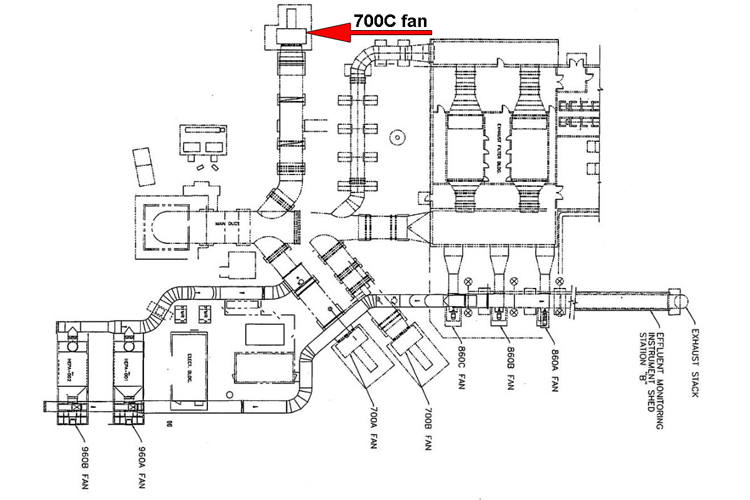
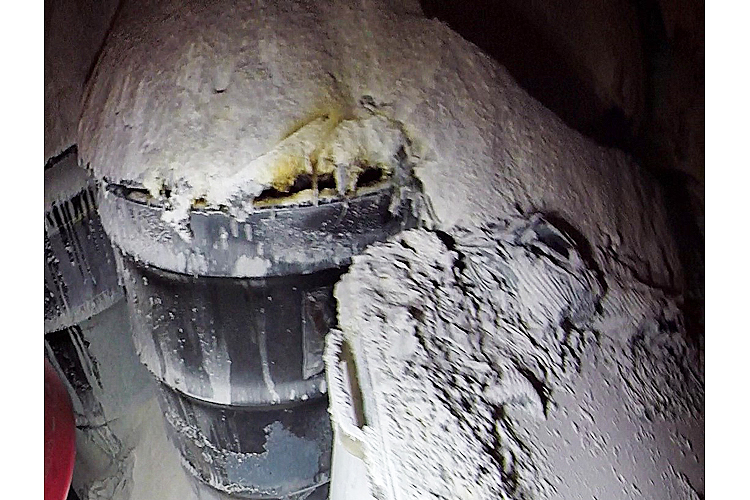
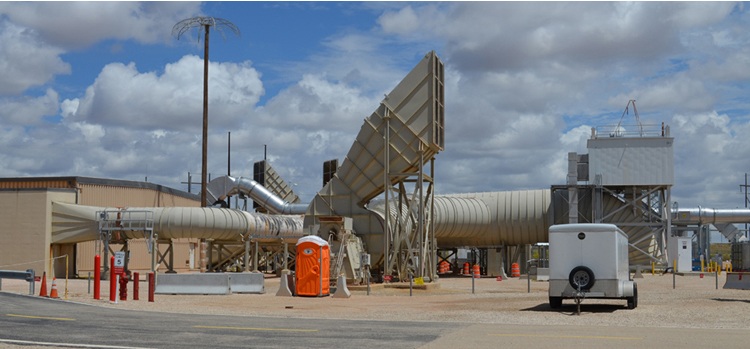
The Department of Energy (DOE) is hosting a briefing on Thursday, December 10th at 6 pm Mountain Standard Time about its plans to allow the Waste Isolation Pilot Plant (WIPP) to release plutonium and americium from the underground mine for several years.https://wipp.energy.gov/ The first phase, occurring on December 17th, is a 4-hour test of the contaminated 700-C ductwork and fan. The fan is located on the surface near the exhaust shaft.
Since the February 14, 2014, radioactive release from the explosion of one or more nuclear waste drums in the underground, the airflow has been filtered to capture contamination. Also, the number of workers and equipment allowed in the mine has been reduced.
The explosion and release has cost taxpayers more than $2 billion. WIPP was closed for nearly three years. A Recovery Plan was issued in 2014 to direct future waste disposal operations.
Thursday’s briefing should answer some questions, including important ones submitted by Don Hancock, Nuclear Waste Program Director, of the Albuquerque-based Southwest Research and Information Center (SRIC). http://www.sric.org/
In written comments, SRIC asks, “Why the fundamental change in how to provide underground ventilation? The September 30, 2014 WIPP Recovery Plan was predicated on preventing further radiation releases by not using the 700 fans and restoring ventilation through a three-phase process of interim ventilation, supplemental ventilation, and permanent ventilation. The first two phases are operating, but the permanent system, now called [the Safety Significant Confinement Ventilation System, or the] SSCVS, will not meet the Fiscal Year 2021 operational date. Why the SSCVS has failed is not discussed in the documents, nor its revised schedule and costs. The fundamental change to disperse, not contain, contamination is not justified.”
SRIC also raises concerns about the structural and maintenance status of the fan because it has not been operated for almost seven years. SRIC asks about the budgets for the proposed test and for running the fan until the permanent system begins operating two years from now.
SRIC then addresses worker issues by asking, “What amount of reduced chemical exposure to underground workers will be achieved? The rationale does not include the range of chemical exposures received by underground workers in Fiscal Year 2020 and the expected amount to be received by underground workers when the 700-C fan operates. How will the actual worker exposures be measured and data [be made] publicly available?”
The briefing was announced on December 8th. Since the public had inadequate time to prepare, SRIC requested another interactive public meeting with more advance notice and more detailed materials before the 4-hour test occurs. sriccomm 700C120720
Wednesday, December 16 from 5:30 to 7:15– Semi-annual EPA Individual Stormwater Permit for LANL Public Meeting. For the draft agenda and more information, go to https://ext.em-la.doe.gov/ips/Home/PublicMeetings
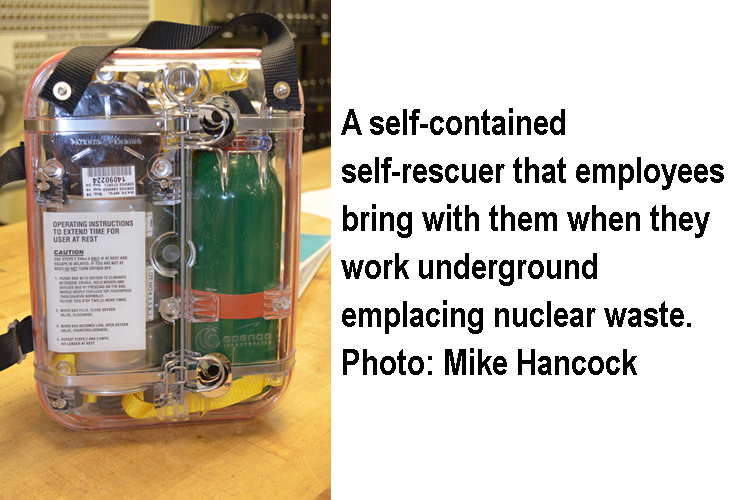
It’s all about the airflow in the underground mine at the Waste Isolation Pilot Plant (WIPP) because of the contamination from the February 2014 radiation release. Since that time, the three main fans that ventilated the underground by pulling air through the mine have been shut down because the filters to remove contaminants were not designed for so much airflow. WIPP is proposing a test restart this month of one of those fans, which will release plutonium and americium to the environment. No report has been made available for public review and comment about the amount of contamination that could be released and the costs and benefits of potentially running the fan continuously in the future. https://wipp.energy.gov/
That documentation, which has been promised for more than three months to the NGOs, has not been made available. That documentation has also been promised to the Defense Nuclear Facility Safety Board, the Environmental Protection Agency, and the New Mexico Environment Department.
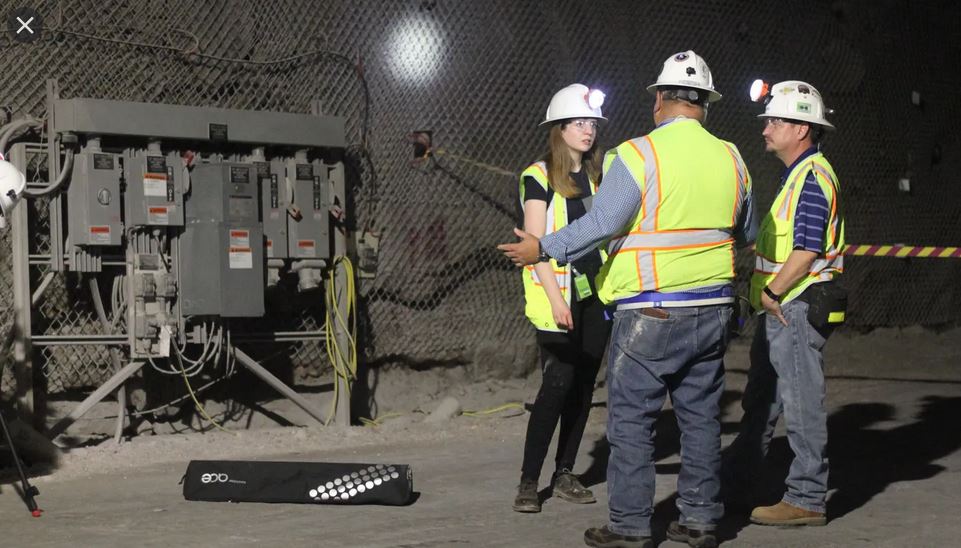
Since 2014, airflow is filtered to remove contaminants, which has reduced the number of workers and equipment allowed in the mine. In an effort to restore the previous number of workers and equipment, WIPP is proposing to test the 700-C fan, which is located on the surface near the exhaust shaft. The air released during the test would not be filtered.
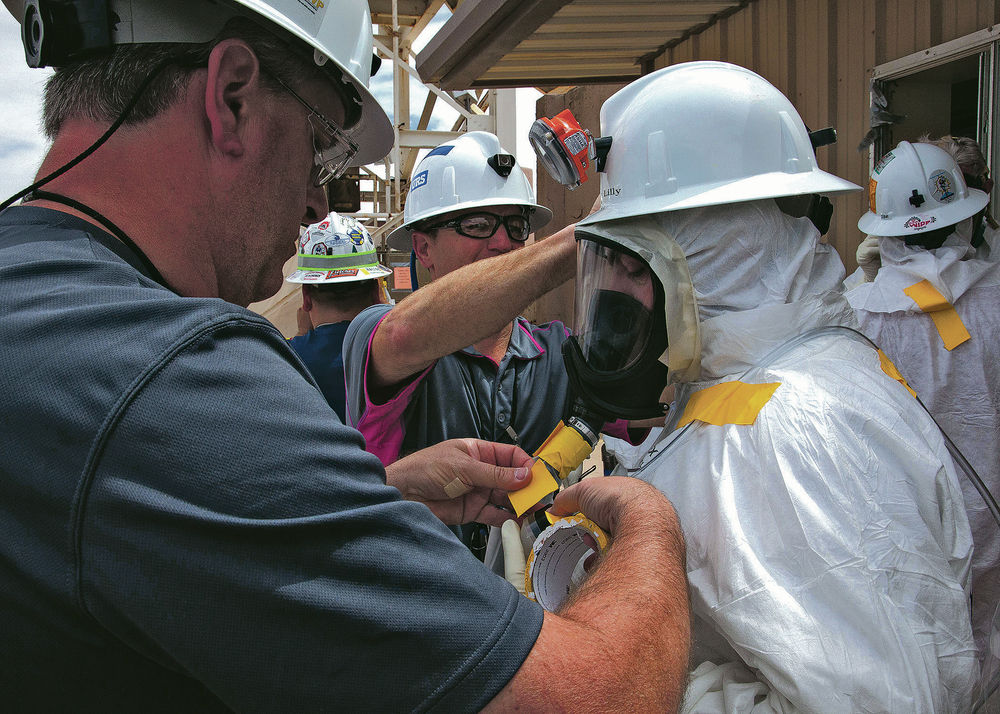
According to the Board’s report, CRESP concluded that some radioactivity would be released. CRESP recommended that WIPP provide a report to the public with an estimate of the amount of radioactivity that could be released; assurance that the necessary personal protective equipment is available; establishment of clear limits for when to stop the test; and plans for the careful inspection of the ductwork, hardware and control systems before the proposed testing begins.
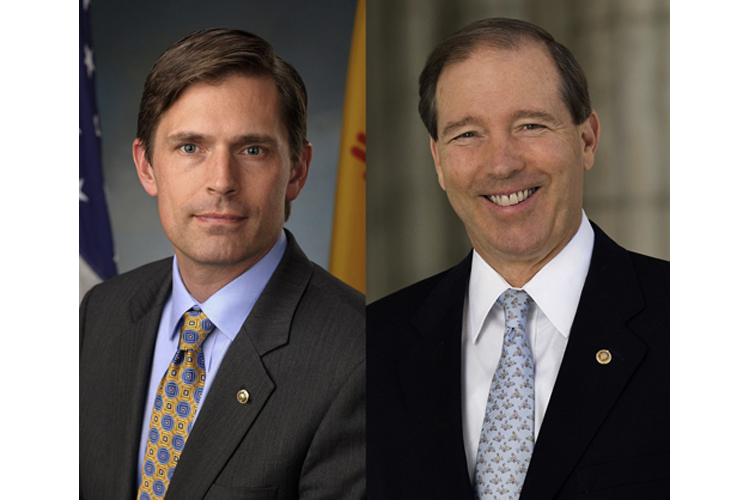
The three NGOs also recommended to Senators Udall and Heinrich that the report include the number of workers that would be allowed in both the underground and on the surface during the test, the plans for independent real-time monitoring, and a cost-benefit study.
As of press time, we are awaiting a response from the Senators’ offices and WIPP.
Monday, December 7th from 4 pm to 6:45 pm MST – Public Comments from New Mexicans, Texans, and those residing along the transportation routes from Vermont Yankee to proposed consolidated interim storage facilities (CISF) by Holtec, Int’l and Interim Storage Partners/Waste Control Specialists. Meeting of the Vermont Nuclear Decommissioning Citizens Advisory Panel: a top agenda item will be whether the full panel should reconsider its 2015 endorsement in favor of the proposed CISF facilities in NM and TX. To attend: 12-7-2020 VT NDCAP Meeting
Wednesday, December 9th at 1 pm MST – White Mesa Uranium Mill National Virtual Town Hall. “Located just three miles from the Ute Mountain Ute Tribe’s White Mesa community and one mile from Bears Ears National Monument, the White Mesa Uranium Mill was originally designed to run for 15 years before being closed and cleaned up.” It’s still operating 40 years later. Hear about the nuclear fuel cycle, impacts to Indigenous communities, and what you can do to help stop the ongoing harm by closing and cleaning up the mill. Advance registration required: https://us02web.zoom.us/meeting/register/tZwufuGtqD8sG9MnxjrQ5sGnjbFarg5b2Zk0
Wednesday, December 9th from 4:30 – 6 pm MST – virtual LANL training for its Electronic Public Reading Room as required by the NM Environment Department hazardous waste permit for LANL, Section 1.10. For more information: envoutreach@lanl.gov or call 505-667-3792.
LANL Electronic Public Reading Room and the Los Alamos Legacy Cleanup Electronic Public Reading Room can be accessed at http://eprr.lanl.gov.
On Thursday, November 19th, CCNS filed a Petition for Certiorari with the U.S. Supreme Court for review of a Tenth Circuit U.S. Court of Appeals unpublished decision that declared CCNS did not have standing to challenge a Clean Water Act permit for Los Alamos National Laboratory (LANL). The Tenth Circuit’s decision is in conflict with U.S. Supreme Court decisions and with decisions throughout the Courts of Appeals. 200423 CA10 decision
Standing is a legal principle to ensure that the entity bringing a lawsuit is the one who has or will suffer the injury. In our case, meeting the standard means asserting that our experience of the Rio Grande valley is diminished by our fear of the Rio Grande becoming contaminated by LANL’s Radioactive Liquid Waste Treatment Facility. The Facility is not regulated by the federal Resource Conservation and Recovery Act (RCRA), which governs hazardous waste from cradle to grave.
The Tenth Circuit referred to the standing principle, but then added the requirement that CCNS needed to show that contaminants from the Facility actually reach the Rio Grande – eight miles away. In settled law on standing, CCNS members would only need to show that their use and enjoyment of the valley is diminished by their fear that the Facility is not properly regulated
The Facility handles, treats, and stores hazardous waste. Therefore it must comply with the federal RCRA law, as implemented by the New Mexico Hazardous Waste Act.
RCRA provides an exemption for facilities that hold a federal Clean Water Act permit. The Clean Water Act requires a discharge in order for a permit to be issued. LANL stopped discharging treated industrial waters from the Facility’s Outfall 051 a decade ago this month. Yet LANL has applied to the U.S. Environmental Protection Agency to renew the permit, even though it no longer discharges. http://nuclearactive.org/comments-needed-for-lanl-industrial-wastewater-discharge-permit/
CCNS argues that because Outfall 051 no longer discharges, it cannot have a Clean Water Act permit and must have a hazardous waste permit—one that would cover the tank systems that handle, treat and store the liquid wastes and would reduce the risks to people in the valley.
2. December 2nd and 3rd 10:30 am – 3 pm MST – virtual U.S. Nuclear Waste Technical Review Board meeting “to review information on the U.S. Department of Energy’s (DOE) non-site-specific geologic disposal research and development (R&D) program.” https://www.nwtrb.gov/
3.Wednesday, December 9th from 4:30 – 6 pm MST – virtual LANL training for its Electronic Public Reading Room as required by the NM Environment Department hazardous waste permit for LANL, Section 1.10. For more information: envoutreach@lanl.gov or call 505-667-3792.
LANL Electronic Public Reading Room and the Los Alamos Legacy Cleanup Electronic Public Reading Room can be accessed at http://eprr.lanl.gov.
On Wednesday, Chris Roscetti, the Technical Director for the Defense Nuclear Facilities Safety Board, raised more red flags about the fact that Los Alamos National Laboratory (LANL) handles, treats and stores radioactive and hazardous waste without the proper paperwork in place. He was speaking during a virtual meeting of the Northern New Mexico Citizens’ Advisory Board. Chris Rosetti Bio – Bio and PowerPoint in PDF form – DNSFBpowerpoint
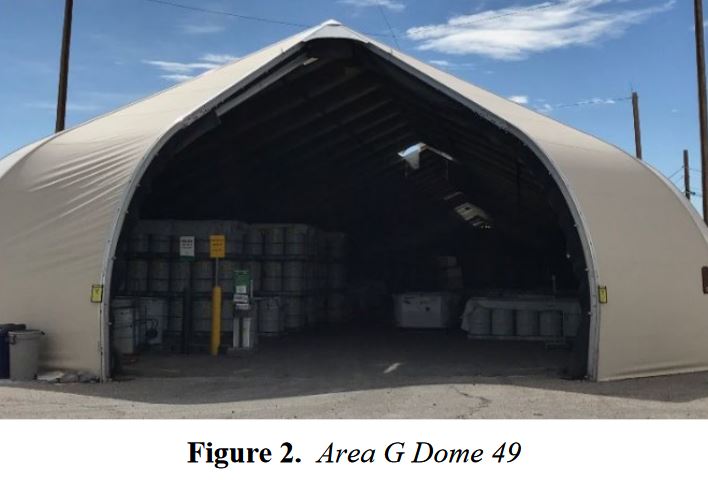
Some paperwork has remained unresolved for years. For example, since at least 2016, LANL does not have compliant safety documents for nuclear facilities, such as the Area G dump. These documents, called documented safety analysis, serve to identify and analyze the hazards associated with the work. Nuclear facilities are required to respond to the analyses in ways that will protect workers, the public and the environment. Some elements of safety documents include fire protection calculations, computer modeling for the dispersion of contaminants, and analyses of the efficiency of the operating controls to prevent releases. The Area G safety documents have languished since 2016 – even though LANL continues to handle, treat, and store plutonium-contaminated and hazardous waste there.
Roscetti said there are about 3,100 drums containing radioactive and hazardous waste sitting above ground at Area G. These wastes are destined for the Waste Isolation Pilot Plant (WIPP), but need to be treated or repackaged before shipment.
In fiscal year 2020, LANL sent 54 shipments to WIPP. Most of these shipments were newly-generated waste from the fabrication of the triggers for nuclear weapons, or plutonium pits. Each shipment to WIPP can hold 42 55-gallon steel drums.
Based on the current shipping rate, if all 3,100 above-ground drums were sent to WIPP at a maximum of 42 drums per shipment, it would take about 18 months. But the amount of radioactivity in each drum dictates how many drums make up each shipment. In the meantime, newly generated waste would be shipped into Area G.
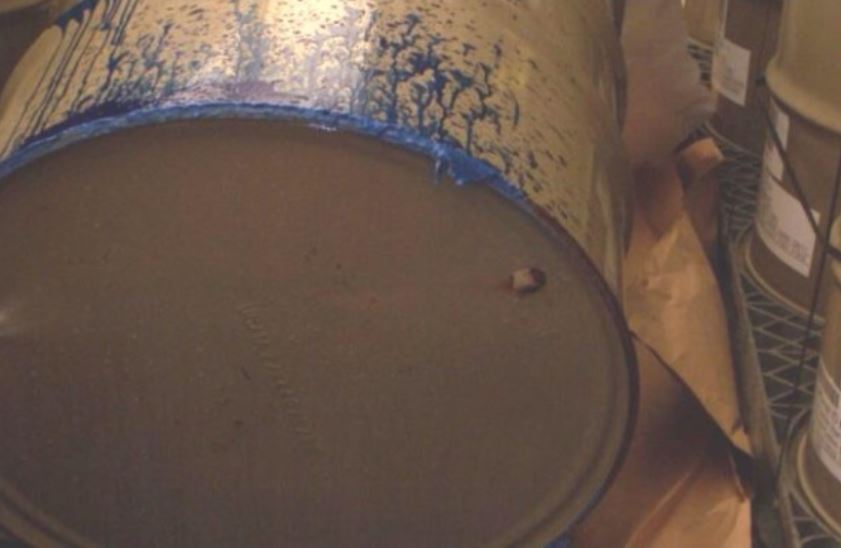
In recent virtual meetings, LANL officials have been announced its plans to begin retrieving thousands of buried containers at Area G. Those drums would most likely need to be repackaged before shipment to WIPP. But again, the safety documents have not been developed and approved. Safety documents address not only the repackaging and shipping operations, but also the delicate retrieval operations. There is evidence that some drums have corroded.
CCNS asks why LANL is allowed to continue to operate Area G when safety basis documents have not been properly updated – in the case of Area G, nearly five years.
For more information about the issues discussed in this Update:
Government Accountability Office – Report to Congressional Committees – Nuclear Safety Report “DOE and Safety Board Should Collaborate to Develop a Written Agreement to Enhance Oversight,” GAO-21-141, dated October 29, 2020 – https://www.gao.gov/products/GAO-21-141
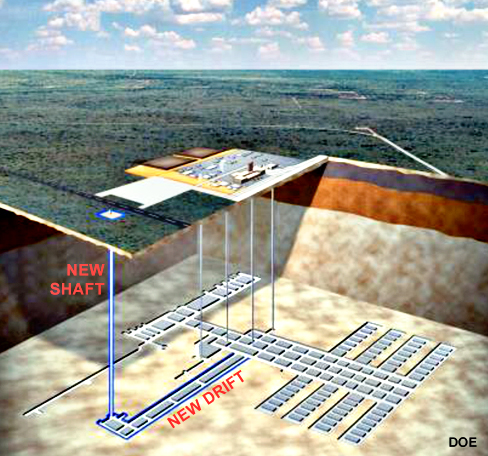
To begin, the new shaft at WIPP has been stopped!!! On November 18, 2020, the New Mexico Environment Department denied the DOE/Nuclear Waste Partnership’s request for an extension of the temporary authorization allowing the excavation of a new shaft. 2020-11-18-RPD_HWB_WIPP_TA_Reissuance_Response_(Final)-1
THANK YOU to everyone who submitted public comments opposing the new shaft! Together we are making a difference!
THIS EVENING!!! Thursday, November 19th from 5:30 – 6:45 pm –
Community Focused Conversation about Uranium Contamination in New Mexico. Speakers include: Manny Pino, Laguna-Acoma Coalition for a Safe Environment (LACSE); June L. Lorenzo, LACSE; Laura Watchempino, Multicultural Alliance for a Safe Environment (MASE); Terry Keyanna, Red Water Pond Road Community Association; and Larry King, Eastern Navajo Diné Against Uranium Mining (ENDAUM). Hosted by the New Mexico Environmental Law Center.
December 1st – Giving Tuesday – Please include CCNS in your giving to support the weekly CCNS News Update and the social media network through which we distribute the Update and this Did You Know? Thank you!
3. December 2nd and 3rd 10:30 am – 3 pm MST – virtual U.S. Nuclear Waste Technical Review Board meeting “to review information on the U.S. Department of Energy’s (DOE) non-site-specific geologic disposal research and development (R&D) program.” https://www.nwtrb.gov/
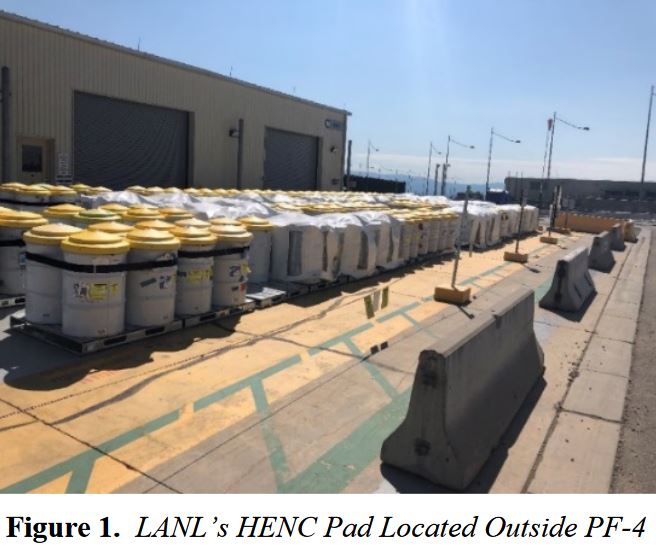
In September, the Defense Nuclear Facilities Safety Board once again raised red flags about the way Los Alamos National Laboratory (LANL) is handling waste drums with the potential for energetic chemical reactions. https://www.dnfsb.gov/documents/letters/potential-energetic-chemical-reaction-events-involving-transuranic-waste-los Their concerns were further heightened with the mid-October discovery of four drums containing radioactive transuranic, or plutonium-contaminated, waste mixed with potentially incompatible chemical waste, which were not properly documented. One drum was stored outside at the Plutonium Facility and the other three inside the Transuranic Waste Facility. Upon discovery, the three drums were promptly moved to outdoor storage pads at the Plutonium Facility. Los Alamos Week Ending October 16 2020
The Board is concerned about the lack of uniformity in the safety documents for facilities that generate, treat, and store radioactive and hazardous waste. For instance, the safety documents for the Transuranic Waste Facility require waste drums to be stored inside. But when the three drums were shipped to the Plutonium Facility, those safety documents allowed the drums to be stored outside.
The Department of Energy (DOE) is revising its standard for storage and treatment of transuranic wastes. In January, the Board sent a letter and technical report to the DOE Secretary about issues that need to be addressed in the revised standard. 5506 Status Letter [2020-100-016] This recent event again demonstrates the need for consistency in the safety documents for all the facilities that handle, treat and store transuranic waste.
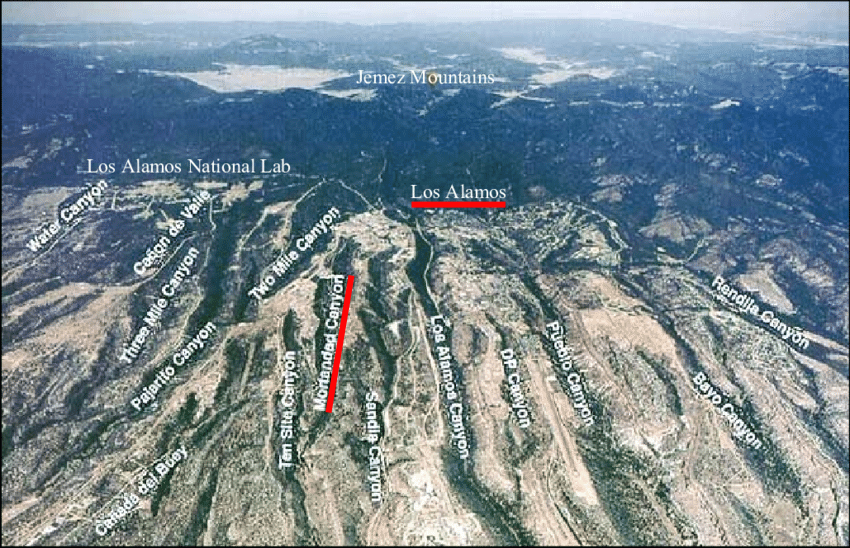
A facility of particular concern for CCNS and the Board is the Radioactive Liquid Waste Treatment Facility at LANL, which handles, treats and stores liquid and solid transuranic and low-level radioactive and hazardous waste. For nearly 50 years, LANL intentionally discharged treated waters through Outfall 051 into a tributary to Mortandad Canyon. In November 2010, LANL stopped the discharge and began evaporating the treated liquids into the air.
Currently, LANL is applying to the Environmental Protection Agency (EPA) for a Clean Water Act discharge permit. LANL is asking permission to keep Outfall 051 on the permit even though it has not discharged for a decade. The Clean Water Act requires a discharge in order to issue a permit. But if LANL can keep Outfall 051 on the permit, it can avoid regulation by the Resource Conservation and Recovery Act (RCRA), the federal hazardous waste law. http://nuclearactive.org/comments-needed-for-lanl-industrial-wastewater-discharge-permit/
RCRA is a comprehensive law that regulates hazardous waste from cradle to grave through a transportation manifest system. It also regulates operations, including the tank systems that are used to treat the waste. The facilities are regulated to prevent accidents, such as the fact that facilities located in Los Alamos County must meet specific seismic requirements.
Long story short, CCNS is seriously considering filing a petition for certiorari to the U.S. Supreme Court for review of a Tenth Circuit Court of Appeals decision that dismisses CCNS’s claims that because LANL has not discharged from Outfall 051, it is not entitled to a Clean Water Act permit. CCNS argues that the proper regulatory scheme for this LANL facility is the hazardous waste laws.
Additional supporting information:
* CCNS Oct. 8, 2020 CCNS News Update – scroll down to about half way down the page for information about the Sept. 24, 2020 DNFSB letter and report:
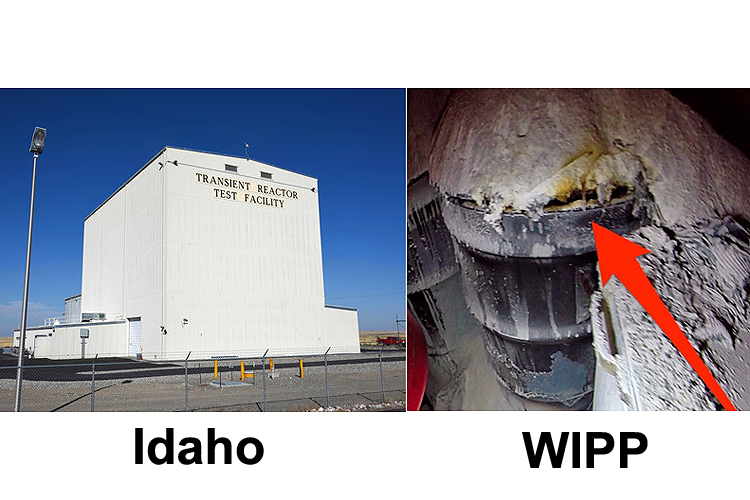
* WIPP and Idaho National Laboratory explosions involving waste drums containing transuranic and incompatible chemicals are well documented. The Board’s September 24, 2020 letter and technical report reference recent examples of exploding waste drums. The first is the February 14, 2014 explosion of one or more waste drums in the Waste Isolation Pilot Plant (WIPP) underground that were improperly packaged at LANL.
The contamination spread through the underground and up the ventilation shaft. A plume was tracked over 100 miles to the northeast from the WIPP site, located 26 miles east of Carlsbad, New Mexico.
The second is the April 2018 explosion of four drums containing radioactive sludge waste at the Idaho National Laboratory. The waste generated methane gas and due to the over-pressurization, the drum lids blew off. The waste was generated at Rocky Flats, near Denver, and shipped in the 1960s to the Idaho site for storage. INL Monthly Ending March 2018 and INL Monthly Ending April 2018.
Did You Know about These Opportunities to Get Involved?
TONIGHT!!! Thursday, November 12th – NMED Virtual Community Engagement Meeting Notice about LANL from 5:30 to 7 pm. Brief updates about the proposed venting of tritium-containing mixed waste and the contamination found in the Middle DP Road.
Wednesday, November 18th at 1:30 pm – DNFSB Acting Chairman Thomas A. Summers will be presenting virtually for 45 minutes to the No. NM Citizens’ Advisory Board. Please see the attached agenda for more information and WebEx connection. The meeting is scheduled for 1 pm to 4:30 pm.
Other important presentations include updates from Env’l Mgmt Los Alamos (Kirk Lachman/Lee Bishop); N3B (Joe Legare); NMED Hazardous Waste Bureau (Ricardo Maestas); and Rendija Canyon (Pete Maggiore). November Board Meeting Agenda_Final
December 1st – Giving Tuesday – Please include CCNS in your giving to support the weekly CCNS News Update and the social media network through which we distribute the Update and this Did You Know? Thank you!
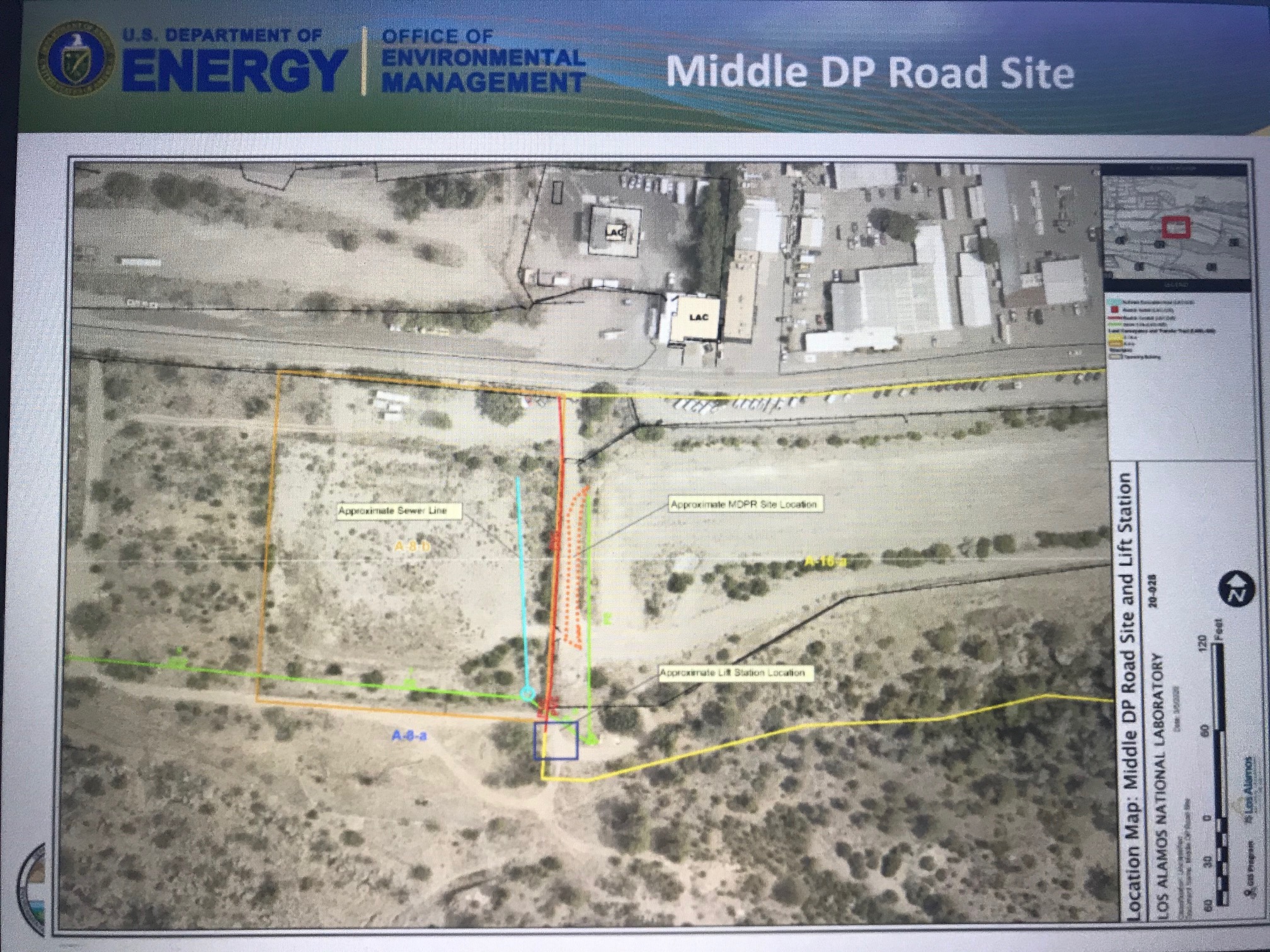
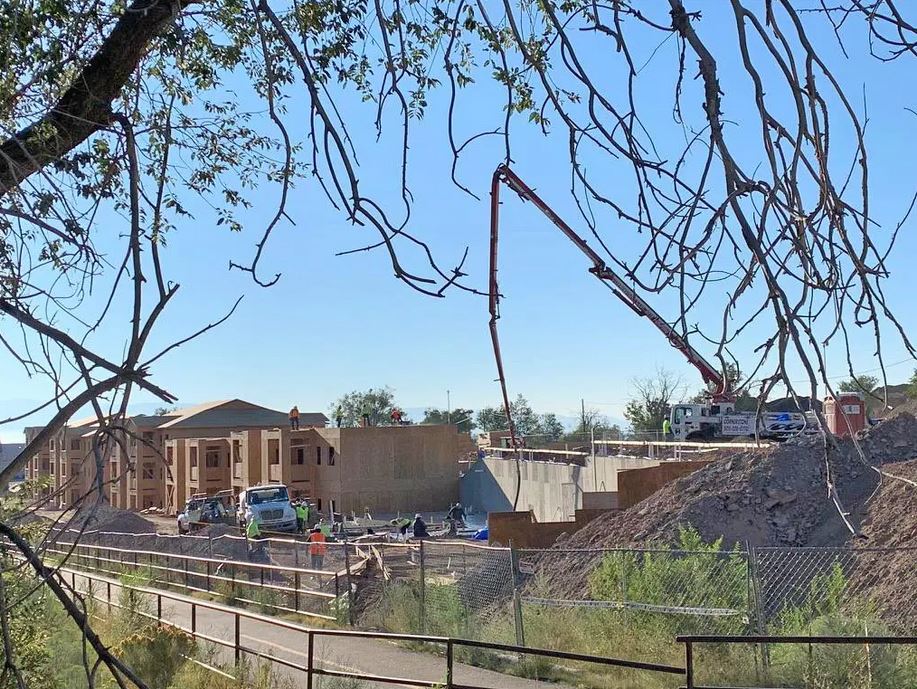
As the end of the year approaches, the New Mexico Environment Department and Los Alamos National Laboratory are hosting a number of virtual meetings to gather public input. The Environment Department is asking for discussion topics for its Thursday, November 12th, Community Engagement Meeting. HWB-RPD-PN-English-LANL-Nov-12-Meeting-1andHWB-RPD_PN-SPANISH_LANL-Nov-12-MeetingThey will also present two issues of concern. The first is the proposed venting of radioactive and biologically damaging tritium into the air. The other concerns the discoveries of LANL radioactive and hazardous waste in the vicinity of two housing projects under construction on land the Department of Energy (DOE) turned over to Los Alamos County on Middle DP Road.
Uncertainty surrounds when LANL plans to vent, if the proposal is approved. At possibly the same time, the Santa Fe National Forest plans to burn piles of woody debris in the forests surrounding LANL in the Coyote, Cuba, Española, Jemez, and Pecos/Las Vegas Ranger Districts. https://www.fs.usda.gov/detail/santafe/news-events/?cid=FSEPRD841371
Another topic for the November 12th, meeting may include the Environment Department’s 2016 Consent, or Cleanup, Order. https://www.env.nm.gov/hazardous-waste/lanl/ Under the Order, the parties have annual discussions about what cleanup will be done during the next three years. But the president’s fiscal year 2021 budget for LANL calls for slashing the cleanup in half with a $100 million dollar cut, thus limiting the amount of work that could be accomplished.
LANL then provided a deficient cleanup plan to the Environment Department. On October 1st, the Environment Department invoked the Consent Order’s dispute resolution provisions for a period of 20 days HWB-LANL-Invoking-Dispute-Resolution-Appendix-B-of-CO-for-FY-2021 – HWB-LANL-DOE-Extension-Request_10-28-2020On October 30th, the Environment Department denied the request stating that DOE “has not provided [the Environment Department] with documentation of any formal actions it has initiated to assure adequate funding for the necessary activities over the next three years.” Further, in relationship to the funding, the Environment Department wrote, “DOE indicated that other environmental regulatory obligations may be of greater budgetary priority than those obligations under the 2016 [Consent Order].” HWB-LANL-Denial-Extension-Request-for-Dispute-Resolution-Period_10-30-2020-1
Now the next level of dispute resolution will begin. The Designated Agency Managers must submit a written position statement within ten business days to the other managers, and then schedule a meeting within 15 days of receipt of the statement.
To submit your concerns and discussion topics, please contact Chris Catechis, the Environment Department DOE Oversight Bureau Chief, by email to chris.catechis@state.nm.us or call him at 505 388-4639.
On Wednesday, December 16th, LANL will host its second public meeting about stormwater compliance under the federal Clean Water Act permit. https://ext.em-la.doe.gov/ips
Did You Know about These Opportunities to Get Involved?
TONIGHT!!! Thursday, November 5th from 5 to 7 pm – Second Virtual Public Information Session on Proposed Tritium Venting at LANL – https://lanl.gov/environment/flanged-tritium-waste-containers.shtml or see attached NNSA announcement about how to connect to the meeting.
3. Thursday, November 12th – NMED Virtual Community Engagement Meeting Notice about LANL from 5:30 to 7 pm. Brief updates about the proposed venting of tritium-containing mixed waste and the contamination found in the Middle DP Road.
Why is Los Alamos National Laboratory (LANL) asking the Environmental Protection Agency (EPA) to renew a discharge permit for facilities that stopped discharging treated industrial wastewater to the environment years ago? Maybe because having as many as five facilities covered by a Clean Water Act permit provides an exemption from complying with the more protective hazardous waste laws. These facilities handle, treat and store hazardous waste and should be regulated by the Resource Conservation and Recovery Act, or the federal hazardous waste laws. Public comments are due to EPA on Monday, November 2nd. https://www.epa.gov/nm/lanl-industrial-wastewater-permit-draft-permit-no-nm0028355-0 A sample public comment to EPA that you can use to is available here – EPA comment for LANL industrial discharges 10-29-20 .
Every five years or so, the EPA begins a process to renew the LANL permit to allow it to discharge industrial wastewater from pipes, or outfalls, into the environment from 11 facilities. The Clean Water Act jurisdiction covers the intentional discharge of pollutants from an outfall. It does not address accidental leaks of hazardous liquid wastewater or regulate the construction of treatment and storage facilities as required by the hazardous waste laws. Up to five facilities that handle hazardous waste remain on the permit even though they no longer have discharges.
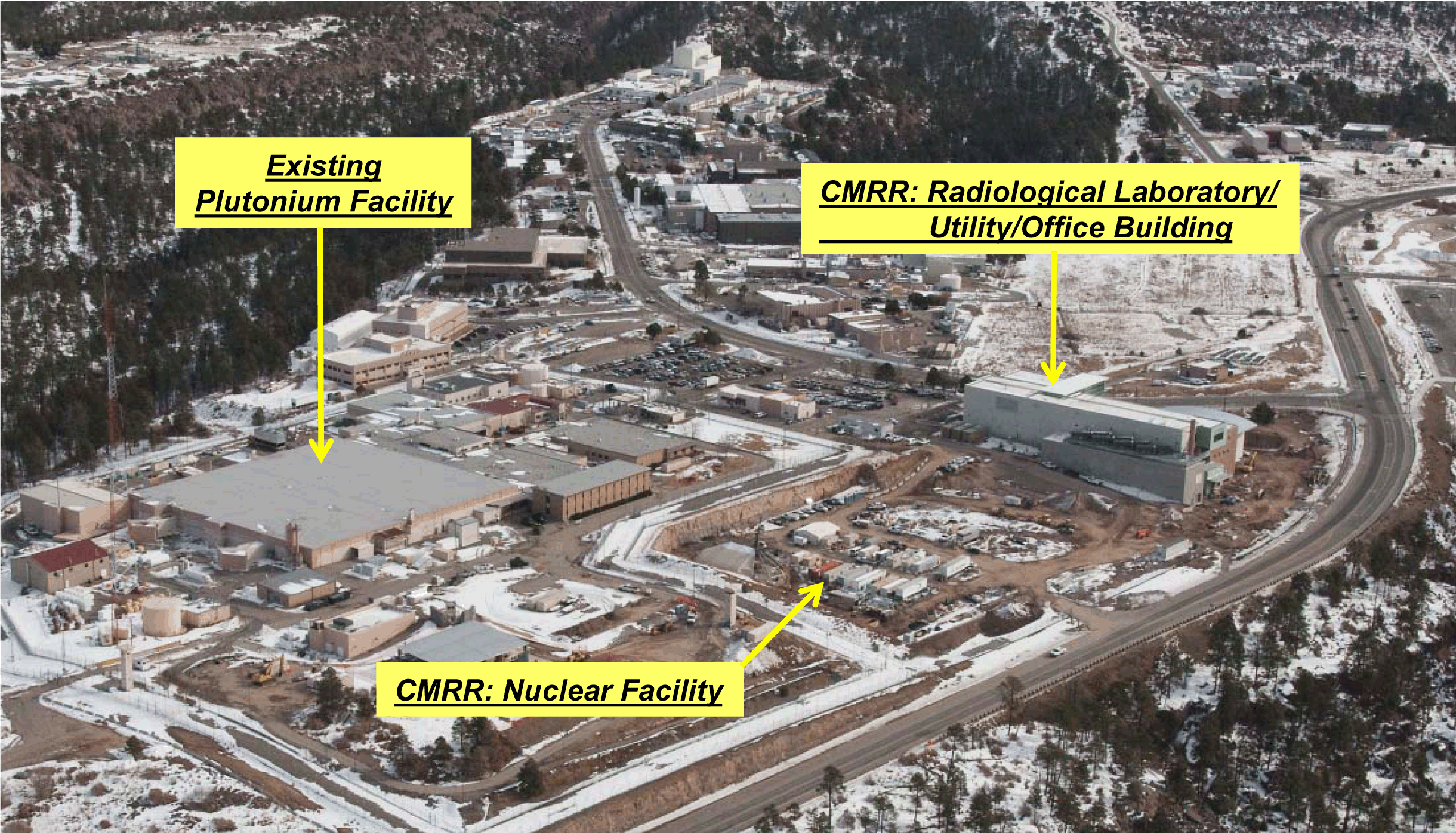
One such facility is the Radioactive Liquid Waste Treatment Facility. This key facility, located across the street from the Plutonium Facility, treats liquid radioactive and hazardous waste contaminated by the fabrication of plutonium pits, or the triggers, for nuclear weapons. In 1963, discharges began through Outfall 051 into a tributary of Mortandad Canyon. In the late 1990’s LANL instituted a “zero liquid discharge” plan to eliminate the discharge. LANL RLWTF Zero Dischg Project 7-10-1998 LANL was aware it could lose the Clean Water Act exemption, which would put it under the more stringent hazardous waste laws.
“However, the potential for exposure to increased RCRA regulatory coverage with zero discharge underscores the need for better administration and documentation of compliance with Waste Acceptance Characterization] WAC requirements.” Elimination of Liquid Discharge to the Environment from the TA-50 Radioactive Liquid Waste Treatment Facility, LA-13452-MS, UC-902, June 1998, p 12.
Some examples of the safety requirements that would apply for all of the operations of the Radioactive Liquid Waste Treatment Facility include the operation and integrity of the tanks, tank systems, and pipes and pipe connections; characterization of hazardous waste; monitoring and inspections; and compliance with seismic standards.
The facility stopped discharging through Outfall 051 in November 2010 when the conversion to zero liquid discharge was complete. Nevertheless, EPA continues to recognize Outfall 051 as qualifying LANL for regulation under the Clean Water Act and thus exempts it from the more protective hazardous waste laws.
At least four outfalls remain on the permit even though they also have not discharged for years. These are the Strategic Computing Complex (no discharge between September 2016 and to at least May 2019); the Los Alamos Neutron Science Complex, or LANSCE, (facility cooling towers are no longer in use); the National High Magnetic Field Laboratory (treated water being “discharged” to the Sanitary Wastewater System (SWWS) Plant); and the High Explosive Wastewater Treatment Facility (since November 2007 an electric evaporator(s) has been in use).
TONIGHT!!! Thursday, October 29th from 6 to 8 pm – Sandia National Laboratory (SNL) and Kirtland Air Force Base (KAFB) Semi-Annual Public Meeting about their environmental programs and the proposed SNL Chemical Waste Landfill Post-Closure Care Permit Renewal. For more information, the meeting agendas and presentations:
Friday, October 30th – Cold War Patriots 12th National Day of Remembrance – Virtual Ceremony. Register at https://coldwarpatriots.org/
Monday, November 2nd – public comments due to EPA about two draft discharge permits for LANL under the Clean Water Act National Pollutant Discharge Elimination System (NPDES). Sample public comments you can use available at http://nuclearactive.org/.
Due to the myriad of technical flaws that occurred during the October 20th virtual meeting on the proposed and controversial venting of 114,000 Curies of radioactive tritium from Los Alamos National Laboratory (LANL), the Department of Energy (DOE) committed to holding a second virtual meeting. It may be held as early as next Tuesday, October 27th. CCNS will post alerts on our social media network once a date and time has been determined.
Over 150 people attended the virtual meeting. Many people left early due to the uncontrollable feedback and a variety of problems with the powerpoint. The session was recorded. If requested, the session will be translated into Spanish. The PowerPoint and other information are available at https://www.lanl.gov/environment/ , under “Resources.”
Pete Maggiore, a Senior Advisor and Acting DOE Assistant Manager at LANL, hosted the meeting. The meeting was held only to receive public comments and questions. DOE did not provide responses. Maggiore hoped to respond to all comments in writing before the next virtual meeting.
He described the four Flanged Tritium Waste Containers, called FAT WACS, which are about 51-gallon stainless steel pressure vessels. One FAT WAC can hold four to five smaller containers, called AL-M1s. Watkins said only the gas in the larger container, or the headspace gas, would be vented.
After Watkins’ presentations, those who wanted to speak were given two minutes each. Jay Coghlan, of Nuclear Watch New Mexico, observed that an analysis of alternatives to the venting has not been publicly released and that the New Mexico Environment Department has not seen it. https://nukewatch.org/
Beata Tsosie, Coordinator of Tewa Women United’s Environmental Health and Justice Program, said she does not consent to the continuing desecration of her homelands and ancestral sites. Because there is no safe level of exposure for tritium, Tsosie expressed her concern for pregnant women being exposed to the vented tritium. She suggested that Indigenous and western technology and science come together to figure our how to cleanup LANL’s radioactive, toxic and hazardous waste mess. https://tewawomenunited.org/
Cynthia Naha said that the federal government had not fulfilled its trust responsibilities to the Pueblos as evidenced by the fact that the downstream Pueblos of Cochiti, San Felipe, and Santa Ana had not heard anything about the proposed venting.
Dee Finney, a public health nurse living 20 miles downwind of LANL, expressed concern about emergency preparedness and notification procedures during the pandemic. She asked whether there is an evacuation plan. She also asked to see the analysis of alternatives to venting.
Leona Morgan, a co-founder of the Albuquerque-based Nuclear Issues Study Group, said she does not consent to the venting, which she described as an example of environmental racism. https://www.facebook.com/NuclearIssuesStudyGroup/
Carol Miller, a public health advocate, summarized the feelings of many of the commenters by saying, “We don’t want it.”
Cindy Weehler, a retired chemistry teacher, said that while LANL claims it is a “world class laboratory,” the virtual meeting was operated like the Keystone Cops. She pointed to LANL’s failure in allowing the drums to become pressurized and said the penalty should belong to LANL. She said, “This is your fault, not the public’s. Someone at LANL made a poor decision,” and LANL needs to make decisions now that won’t harm the public.
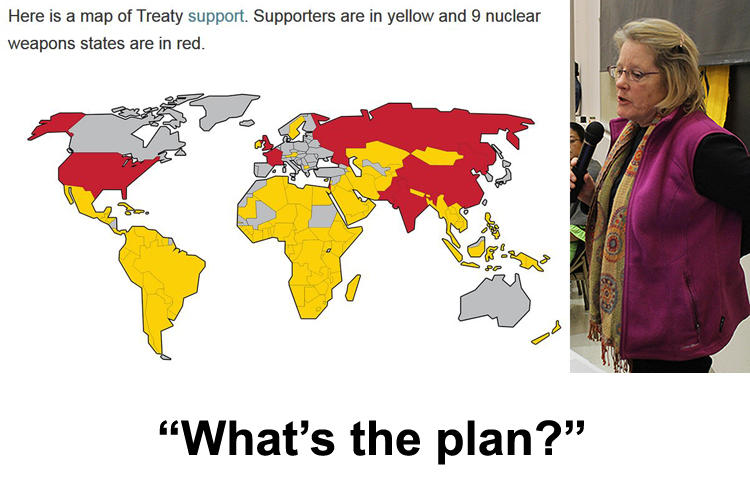
Forty-seven nation states or countries have signed and ratified the Treaty – only three more are needed for it to go into effect. https://www.icanw.org/
The Treaty was modeled after the Convention on the Prohibition of the Use, Stockpiling, Production and Transfer of Anti-Personnel Mines and on Their Destruction (or Mine Ban Convention) https://www.un.org/disarmament/convarms/landmines/
and the Convention on the Prohibition of the Development, Production, Stockpiling and Use of Chemical Weapons and on Their Destruction https://www.un.org/disarmament/wmd/chemical/ , which challenged countries that still possessed those weapons. Arends asked how LANL would address the economic harm that could occur to the workers, families and communities that have supported LANL once the Treaty goes into effect. She asked again, “What’s the plan?” http://nuclearactive.org/
Did You Know about These Opportunities to Get Involved?
Saturday, October 24th – NM Environment Department’s Temporary Authorization (TA) for construction of the new Shaft and underground disposal rooms at the Waste Isolation Pilot Plant (WIPP) expires. Criteria for issuing TAs require that the project be completed within 180 days.
The Department of Energy and WIPP asked for the reissuance of the 180-day temporary authorization. What will NMED do? Violate the procedural due process rights of groups like CCNS who asked for a public hearing about the new shaft? or proceed ahead with DOE/WIPP requests for reissuance of the temporary authorizations for another 180 days? Comments to the NMED Hazardous Waste Bureau Chief Kevin Pierard – Kevin.Pierard@state.nm.us
Monday, October 26th at 3 pm (virtual public meeting) and 6 pm (virtual public hearing) about the Environmental Protection Agency (EPA) draft permit for over 400 sites at LANL with the potential to discharge pollutants during stormwater events. To see the public notice, the draft permit, along with information about registering for the virtual meetings – https://www.epa.gov/nm/lanl-storm-water-individual-permit-draft-permit-no-nm0030759
Public comments due on Monday, November 2nd – see No. 5 below.
Thursday, October 29th from 6 to 8 pm – Sandia National Laboratory (SNL) and Kirtland Air Force Base (KAFB) Semi-Annual Public Meeting about their environmental programs and the proposed SNL Chemical Waste Landfill Post-Closure Care Permit Renewal. For more information, the meeting agendas and presentations:
Friday, October 30th – Cold War Patriots 12th National Day of Remembrance – Virtual Ceremony. Register at https://coldwarpatriots.org/
Monday, November 2nd – public comments due to EPA about two draft discharge permits for LANL under the Clean Water Act National Pollutant Discharge Elimination System (NPDES). Sample public comments you can use will be available at http://nuclearactive.org/ after the October 26th EPA public meeting and hearing.
 January 22, 2021 will be a historic day for nuclear weapons. The United Nations’ Nuclear Weapons Ban Treaty will enter into force, establishing in international law a categorical ban on nuclear weapons 75 years after their development and first use. https://www.un.org/disarmament/wmd/nuclear/tpnw/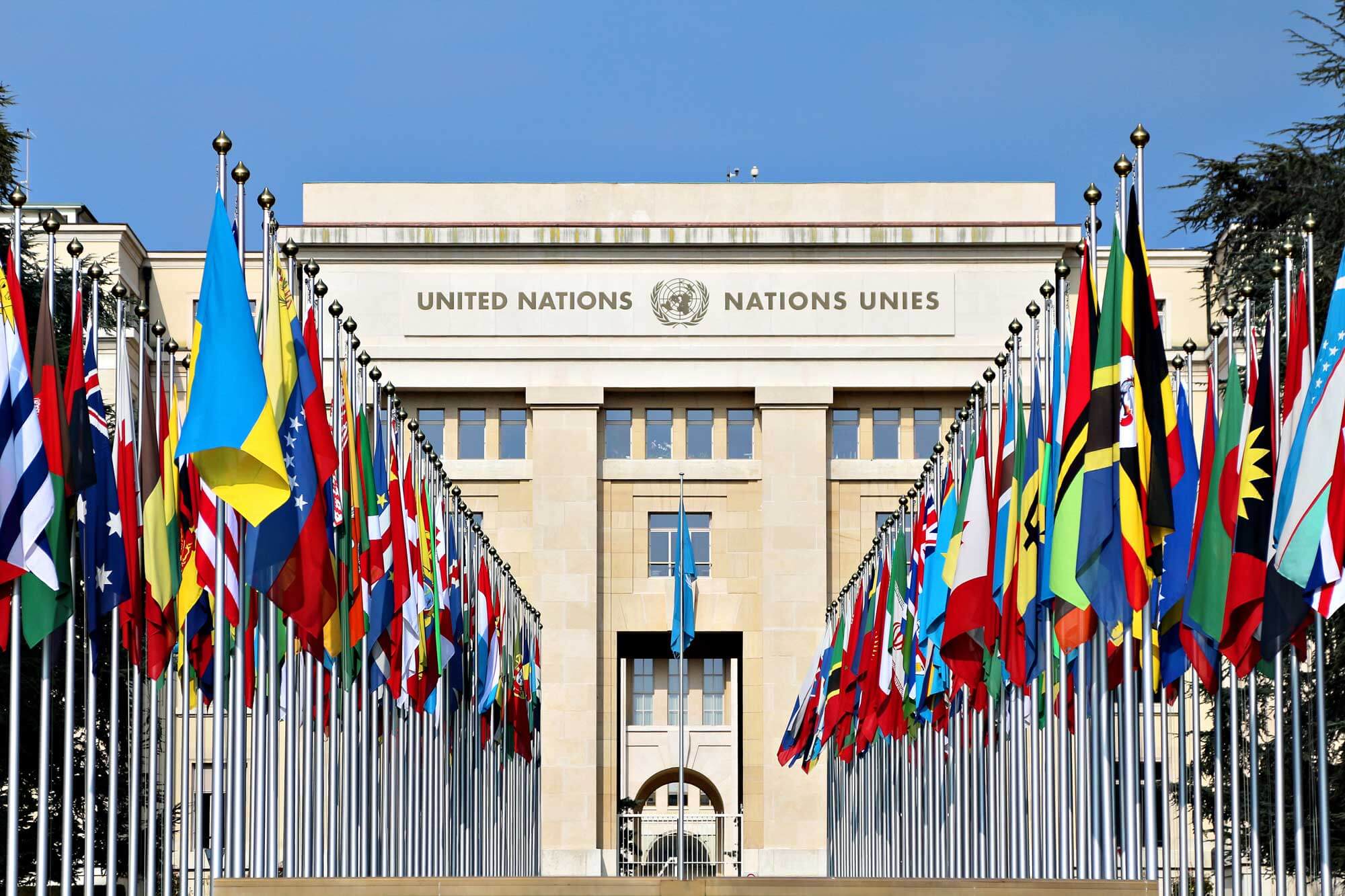
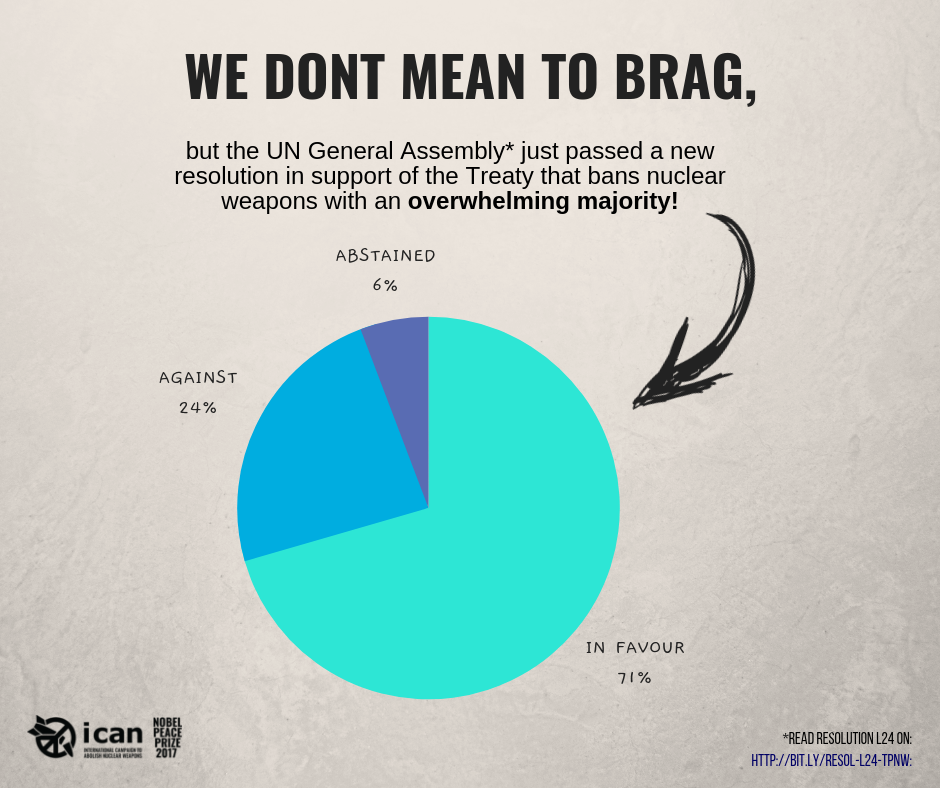 Treaty terms, 50 nation states had to sign and ratify it before it would enter into force. Entry into force would automatically happen 90 days after the 50th ratification was deposited at the UN. On October 24th, 2020, Honduras became the 50th nation to deposit its ratification at the UN. As of November 1, 2020, 84 nation states had signed the Treaty. https://orepa.org/nuclear-ban-treaty-entry-into-force-resources/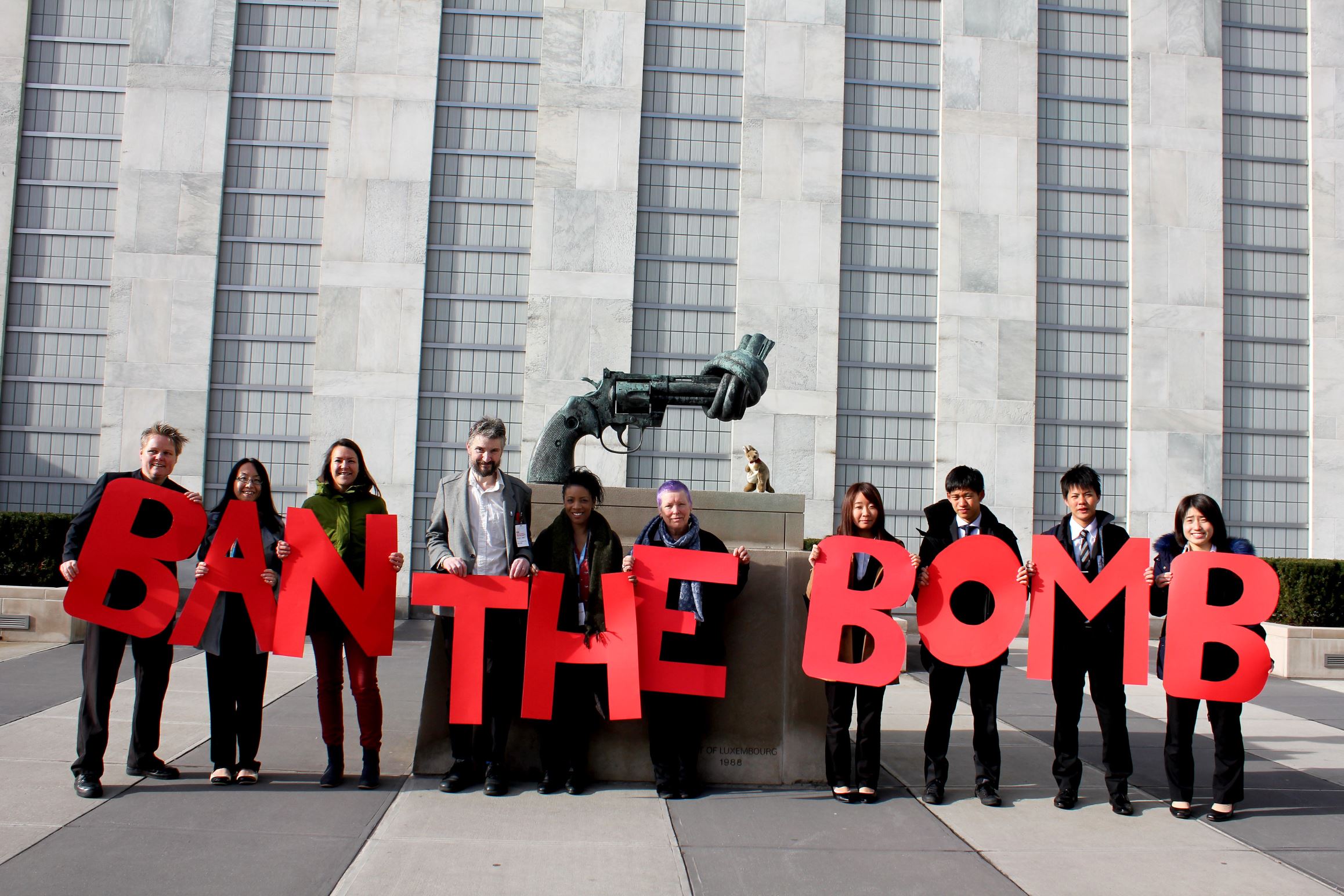

 established a new above-the-line deduction for charitable giving? Individuals may write off up to $300 ($600 for couples) in cash donations to non-governmental organizations, such as CCNS, when filing your 2020 income tax return? You can make an electronic donation at http://nuclearactive.org/ or mail your check to: CCNS, PO Box 31147, Santa Fe, NM 87594.
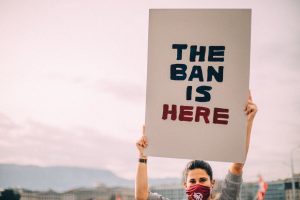 The United Nations’ Nuclear Weapons Ban Treaty, or the Treaty on the Prohibition of Nuclear Weapons, goes into effect.